Who we are
Suggested text: Our website address is: http://scamp.id.
Comments
Suggested text: When visitors leave comments on the site we collect the data shown in the comments form, and also the visitor’s IP address and browser user agent string to help spam detection.
An anonymized string created from your email address (also called a hash) may be provided to the Gravatar service to see if you are using it. The Gravatar service privacy policy is available here: https://automattic.com/privacy/. After approval of your comment, your profile picture is visible to the public in the context of your comment.
Media
Suggested text: If you upload images to the website, you should avoid uploading images with embedded location data (EXIF GPS) included. Visitors to the website can download and extract any location data from images on the website.
Cookies
Suggested text: If you leave a comment on our site you may opt-in to saving your name, email address and website in cookies. These are for your convenience so that you do not have to fill in your details again when you leave another comment. These cookies will last for one year.
If you visit our login page, we will set a temporary cookie to determine if your browser accepts cookies. This cookie contains no personal data and is discarded when you close your browser.
When you log in, we will also set up several cookies to save your login information and your screen display choices. Login cookies last for two days, and screen options cookies last for a year. If you select "Remember Me", your login will persist for two weeks. If you log out of your account, the login cookies will be removed.
If you edit or publish an article, an additional cookie will be saved in your browser. This cookie includes no personal data and simply indicates the post ID of the article you just edited. It expires after 1 day.
Embedded content from other websites
Suggested text: Articles on this site may include embedded content (e.g. videos, images, articles, etc.). Embedded content from other websites behaves in the exact same way as if the visitor has visited the other website.
These websites may collect data about you, use cookies, embed additional third-party tracking, and monitor your interaction with that embedded content, including tracking your interaction with the embedded content if you have an account and are logged in to that website.
Who we share your data with
Suggested text: If you request a password reset, your IP address will be included in the reset email.
How long we retain your data
Suggested text: If you leave a comment, the comment and its metadata are retained indefinitely. This is so we can recognize and approve any follow-up comments automatically instead of holding them in a moderation queue.
For users that register on our website (if any), we also store the personal information they provide in their user profile. All users can see, edit, or delete their personal information at any time (except they cannot change their username). Website administrators can also see and edit that information.
What rights you have over your data
Suggested text: If you have an account on this site, or have left comments, you can request to receive an exported file of the personal data we hold about you, including any data you have provided to us. You can also request that we erase any personal data we hold about you. This does not include any data we are obliged to keep for administrative, legal, or security purposes.
Where your data is sent
Suggested text: Visitor comments may be checked through an automated spam detection service.



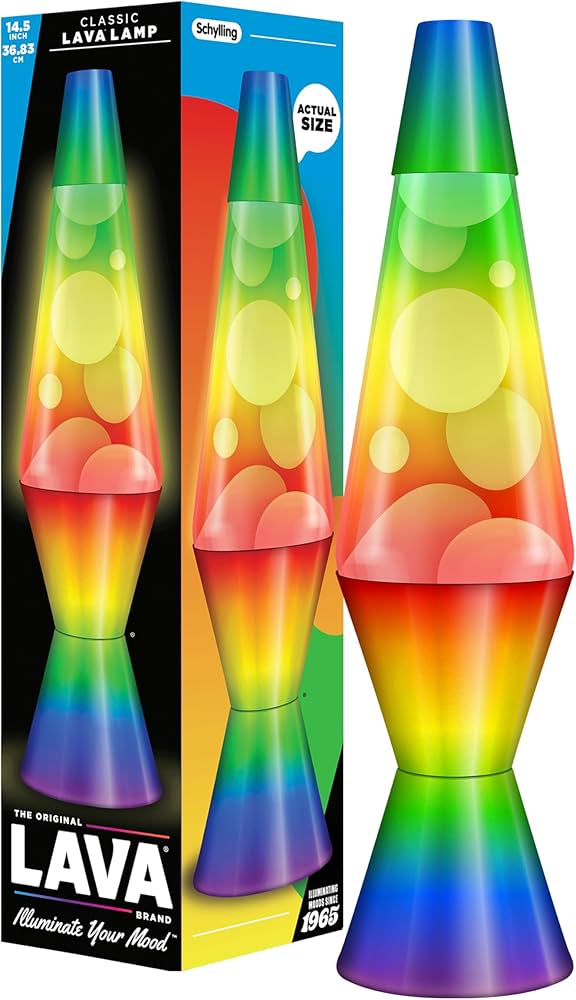
Ironically, I did not really get into computers, or information technology until the late 1990’s (circa 1997), although I di have distant memories from my childhood about drawing mathematical patterns and drawings on paper, and funny little diagrams.
I remember doing this as a child!
If you had asked me when computer would think, with the same capability and capacity as a human brain, in 1985, when I was aged 12, (in 1985), I would have probably have said “By 2050 there will be a 50/50 chance of computers being BOTH as smart and also as idiosyncratic as a human and a human brain…”, -but then, circa 2017, I noticed that, -with a program called “Deep-Art” that a computer algorithm could do, and yes, indeed, DID, -did do something that I thought computers would never, EVER be able to do, and this was to map artistic style of one artwork to another artwork, and yet, this is EXACTLY what they did!
I was amazed.
TOTALLY AMAZED!
I was completely, 100%, and TOTALLY wrong about that!!
I also thought (also FULLY incorrectly), that computers were going to become bigger and more expensive.
I was completely, 100%, and TOTALLY wrong about that, also!!
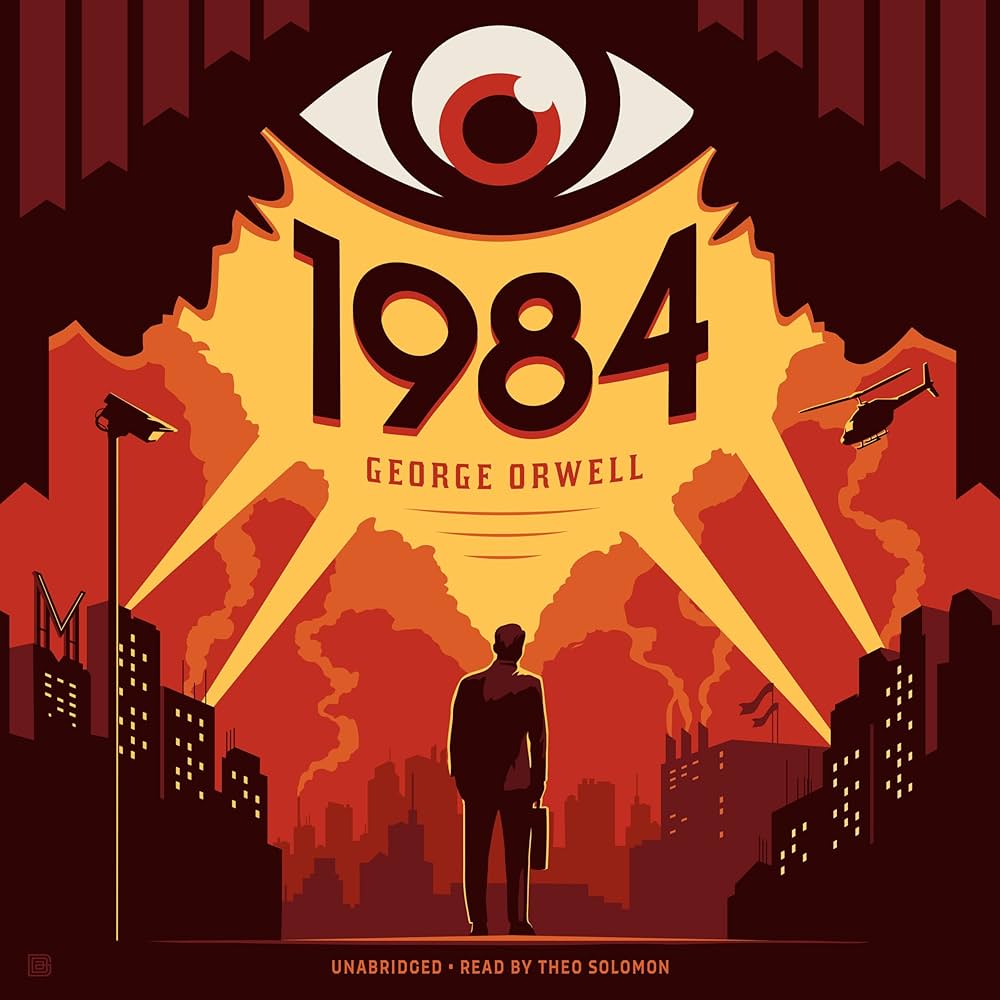
I believe that it was Raymond Kurzweil who predicted the Internet (and probably many, MANY others), and I became both scared and a little paranoid after reading the book “1984” by George Orwell, about a dystopian, extreme socialist, fascist society, that was predicted by the book, and it seems like things have in someway turned out like this but in other ways they have not.
I mean, could a network of computers have been predicted by a society 1000 years ago, a 100 years ago, 50 years ago?!
The society described in 1984, is certainly NOT one that I would want to be part of, although, -no, I would not consider myself a socialist, but I do have a tendency to lean toward the left-wing, and liberal and softhearted by my political leanings.
One thing stayed with me from the book 1984, and this was when one of the proletarians (an older man), talked with the main character in the book, and the main character described him as
akin to a tiny, tiny, little “ant”, not that he was worthless or insignificant, (the author didn’t mean that), but he was akin to a tiny, tiny, little ant, in that he could see all the little mundane things directly in front of him, (for example, -the price of beer, type and availability of public transport, the metric and imperial systems of measurement (of weight, length and mass)), but he couldn’t really see the bigger picture, and the way that society worked, as a WHOLE.
I told this to a friend of mine that I was having a conversation with down inside a large yellow building, owned by people who put on a meal on Fridays, one Friday evening, and he told me that no-one or nobody really can see the BIGGER picture.
Personally, I believe that if computers cannot think as a human brain by the 2030s then they will not until the 2330s.
I have an intuitive hunch taht a Terminator 2 type scenario is on the cards, but whatever TRULY happens remains to be seen!
(Que Sera, Sera).
This concept of the “Hive-Mind” BOTH fascinates and scares me, and it is, what I believe that we are header for when we have to become cyborgs just to keep up and to stay ahead of artificial intelligence.
The hive mind has a set of cybernetically-enhanced-cyborg humans all hooked-up to a master artificial intelligence, and all inter-hooked-acorss-and-sideways to each other, and this society is kind of based (loosley/roughly) on the hive.
When one human has a thought, then ALL humans know, when one human feels pain, then ALL humans know, and this sort of society may be inescapable, inescapable for those who merely wish to SURVIVE!!

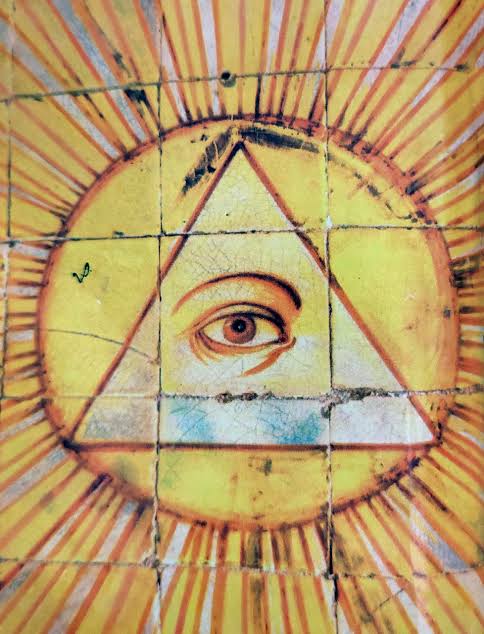
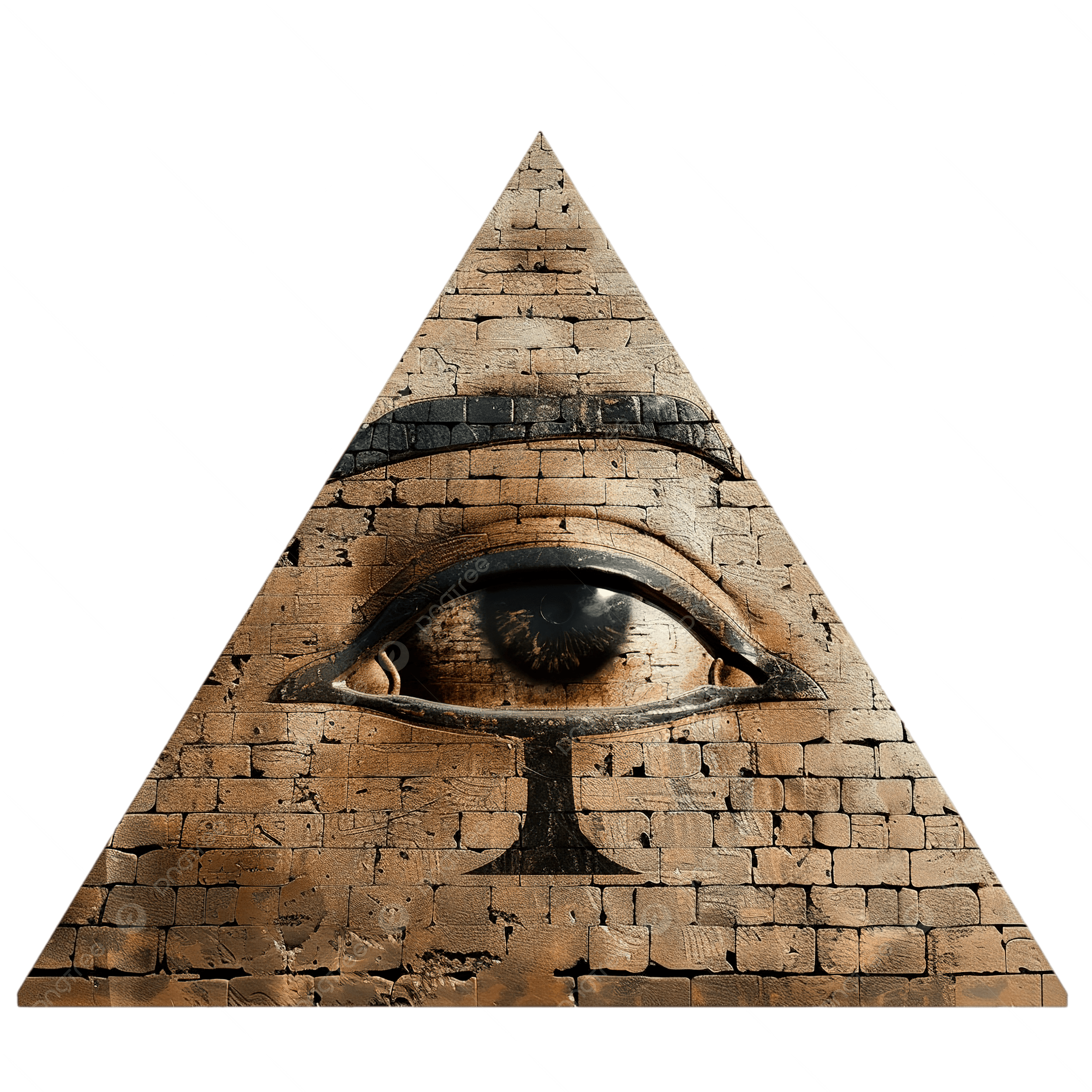

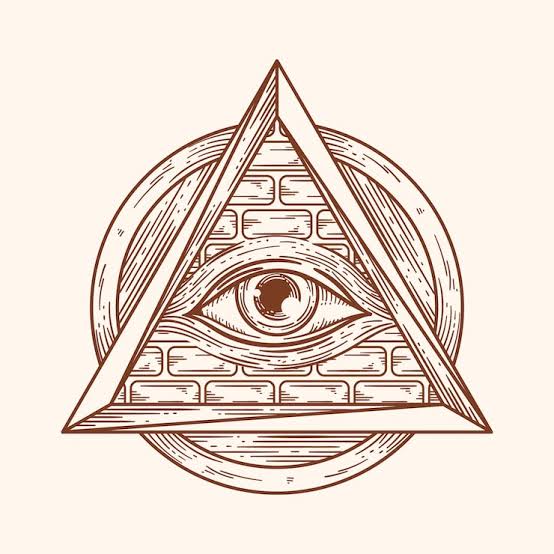

Am I religious, and do I believe in God?
Well, let me put it to you this way…
I believe in something or a creator, but I am kind of unsure what it/they/him/her/other really IS, and I believe that this absolute is completely, COMPLETELY unknowable, and, so…
…—>I guess I am what you could call “Agnostic”,
…by nature!!
:o).