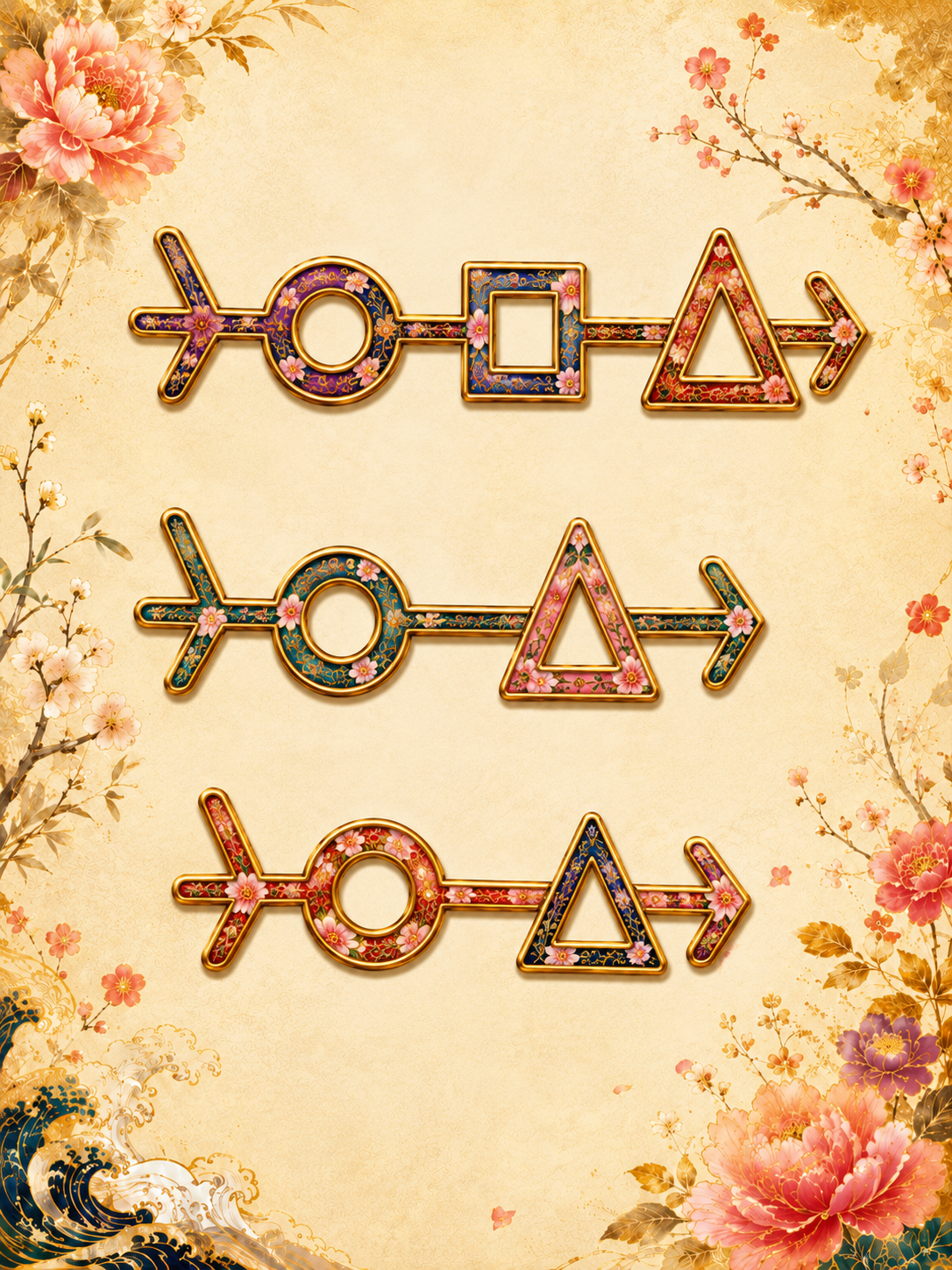
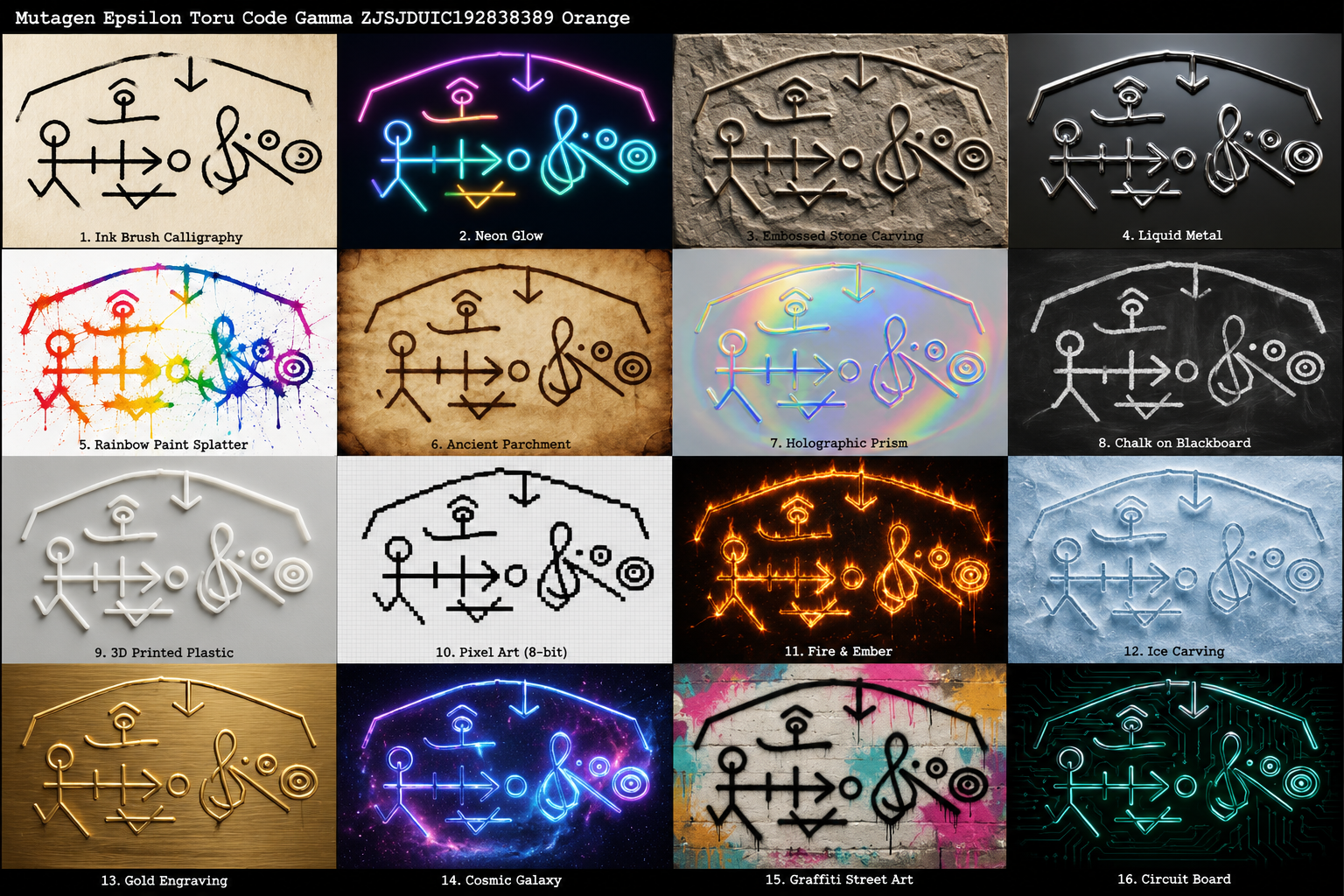
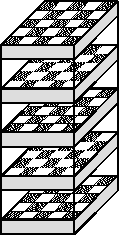
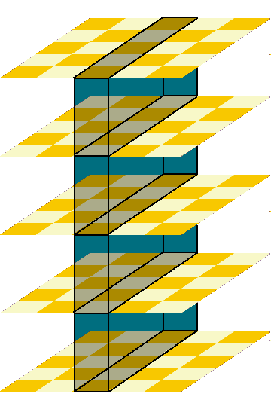
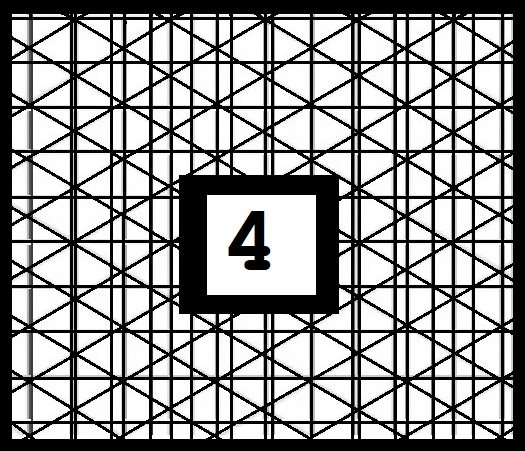
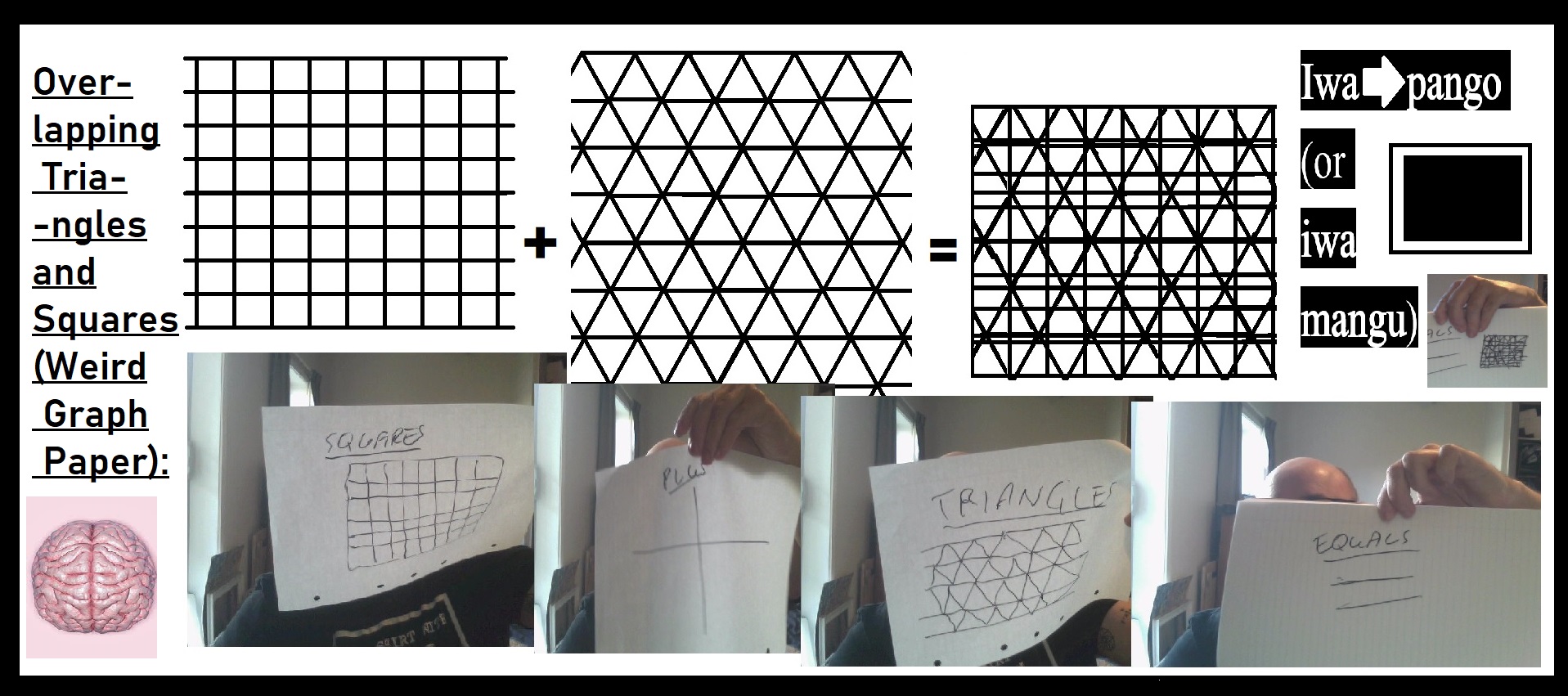
I. Overlapping Triangles and Squares (Really, REALLY, Weird, WIERD Graph Paper):
These mathematical objects, in order to be made, – have us make a really weird, and strange variants upon the Cartesian co-ordinates (of overlapping triangles-and-squares), and has us plot them…-ALBEIT OVERLAPPED AND STRIP-TRACER-AVERAGED!!
Yes, indeed, plot them that the use overlapping triangles and squares, but here we attempt to make mathematical graphs and plots out them, WHEN THEY ARE AVERAGED/HYBRIDIZED!!…
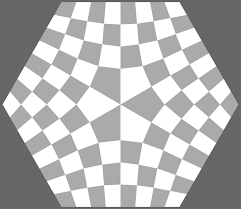
So, these really weird Cartesian co-ordinate variants have us overlap square-Cartesian-graphs and their-co-ordinates and triangle-Cartesian-graphs-and their co-ordinates, and both the square and the triangle versions of the Cartesian co-ordinates COMBINED and HYBRIDIZED, form a tight regular lattice, as they also do, -when taken “individually”.
What I want to do is to make an “irregular-lattice”, out of the “overlapping-of-the-two-three-four-five-,,,r-many”, and to try to attempt to plot a *.wav (like Piano.wav) on-top of this weird irregular graph the nearest vertices, edges/lines, or epicenters of the 2-dimensional irregular polygons that we’ll get from the irregular overlapping of triangles-and-squares.
Why, we merely plot superimposed on top of this weird irregular haywire-Cartesian-co-ordinate graph, and graph the plots for x-input and y-output to the nearest line, vertex, or epicenter.
Yes, indeed, we match the specific rank of Piano.wav’s sample’s amplitudes and times to the specific rank of the irregular haywire-Cartesian-co-ordinate graph, and, so, if the intersecting points average of was 5267, then we’d map this to the 5267th vertex/line/2D-epicenter of the “being plotted” weird irregular haywire-Cartesian-co-ordinate graph.
There ARE actually two sub-variants of this graph, yes, indeed, -one where the triangle-cell’s and the square-cell’s side lengths are the same, and one where the square-cell’s and the triangle-cell’s surface areas are the same.
These squares and triangles, which overlap can be either, -in “Alpha/Tahi variants” equal in side length, or equal in surface area, -as the “Beta/Rua-variant”…
The question, should, also, really be asked as to what sort of space to plot these plots on, and I feel that the user and the computer could experiment with N^2, Q^2 and R^2.
The variant R of this algorithm takes Piano.wav’s amplitudes, and effectively/essentially “rounds them off” to the nearest triangle or square, in one variant of this algorithm, and in another it maps the nth sample’s amplitude to the nth vertex/edge or face or the irregular-and-overlapping-triangle-and-square lattice, in another variant.
These variants could be selected by the user and prompted for by the algorithm, and this gives the user the capability to enter “R” (for the “rounding off variant”), or “M” (for the “mapping variant”), and, if the user choose “M”/the “mapping variant”, then the user is further prompted for vertices, edges or surface-epicenters by entering the selection to the algorithm, and plots the kth distorted graph intersection to the kth rank fo the plot….
And then, of course, we can take one dimensional strips with respect to the x-axis and the y-axis, and take them in 3s, 3s, 4s, 5s…rs out of n-many intersecting lines form there weird hybrid graphs, and we can average them additively, geometrically, harmonically, or exponentionlly (taht is a^b=c^c, solve for c).
When taking r-many from n-many intersecting line, lines which intersect the one dimensional tracing strips, we can average them in 2s, 3s, 4s, 5s…rs C(n, r) many ways for additive, harmonic and multiplication-based-geometrical averages (as combinations), or (P(n, r)*C(r)) as permutations with respect to legal non-associative parentheses placements (treat is Catalan numbers).
–Here, I am trying to make a weird hybrid, cat-got or apple-orange combination of square Cartesian co-ordinates and a graph on triangular Cartesian co-ordinates and a graph, in order to plot weird, distorted shapes, for that viewer’s viewing leisure!!
(Remember that there are TWO MAIN varinast for overlapping squares and triangles, alpha/Tahi—>whereby side lengths of squares and triangles are equal, and Beta/Rua—>whereby surface areas sizes of squares and triangles are equal).
J. Crazy Mathematical Concepts and Ramblings from a Mad Mathematician Microtonalist Chess Variant Creator Maniac Weirdo Mad-Scientist (Mr. SRU):
Now…,
-Before we get into some serious mathematical ramblings, I feel that is time to share a joke, a joke of a mathematical nature, about beings from higher dimensions and other Universe, in the Multi-Multi-Multi-Multi-verse.
Here is the joke:
Question: What did the jock/sportsman alien exo-biological-Multiverse-traveling organism say to the nerd alien exo-biological-Multiverse-traveling organism, when making fun of him.her/it?
Answer: Ha,-ha, ha, Eight -eight eyes (the nerd alien exo-biological-Multiverse-traveling organism wore glasses, you see…).
A now for some, ===> SERIOUS MATHEMATICS!!
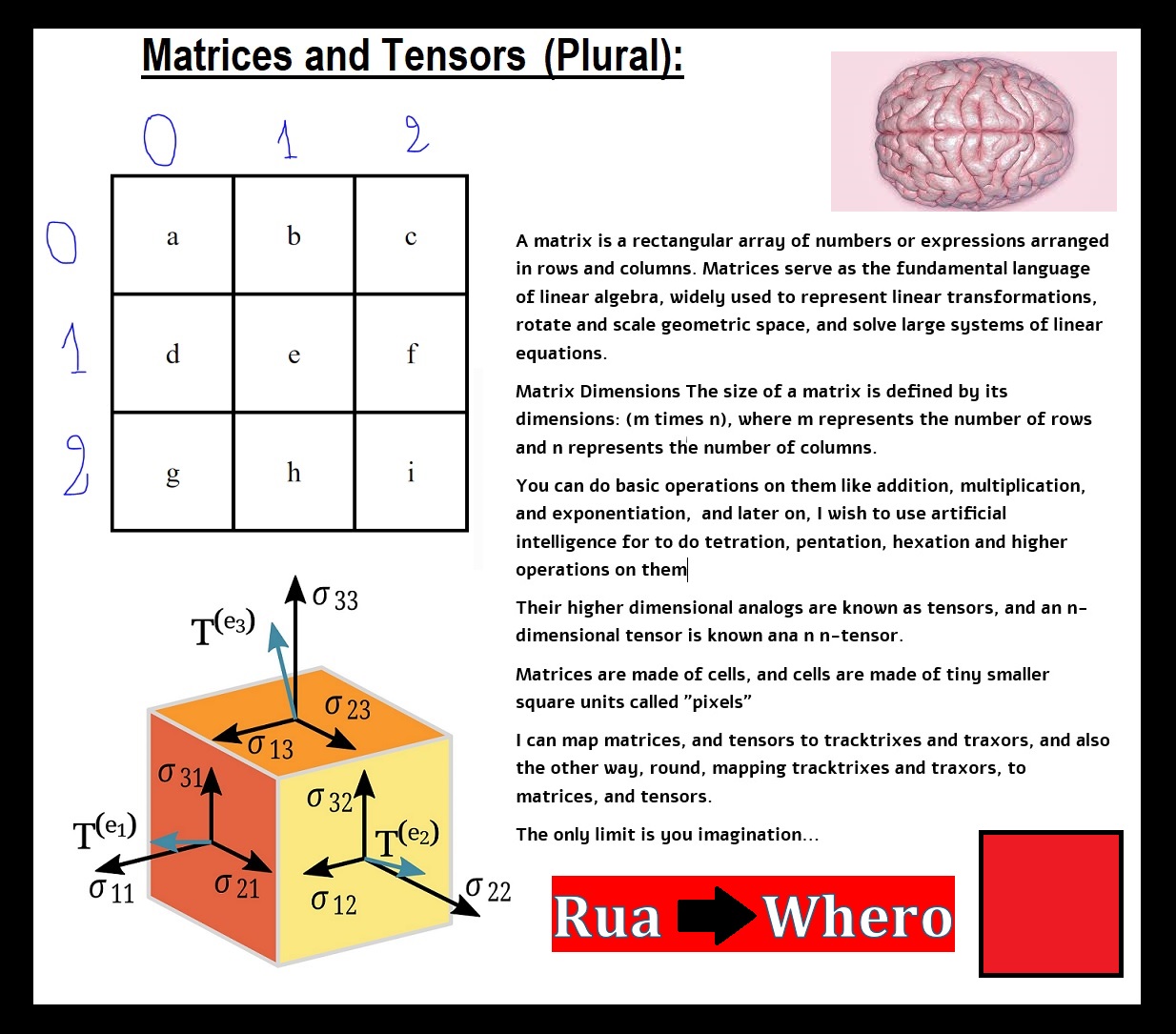
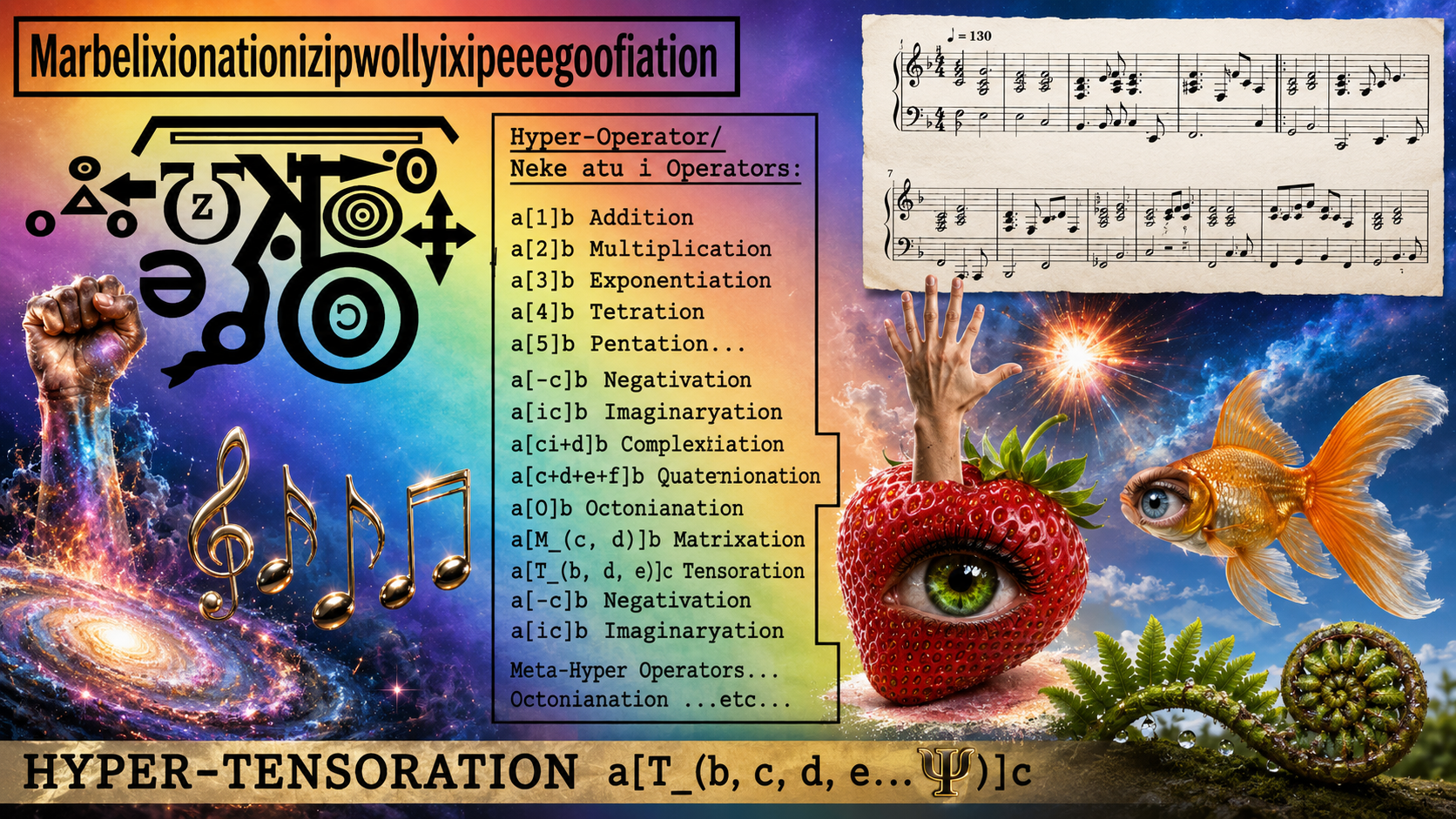
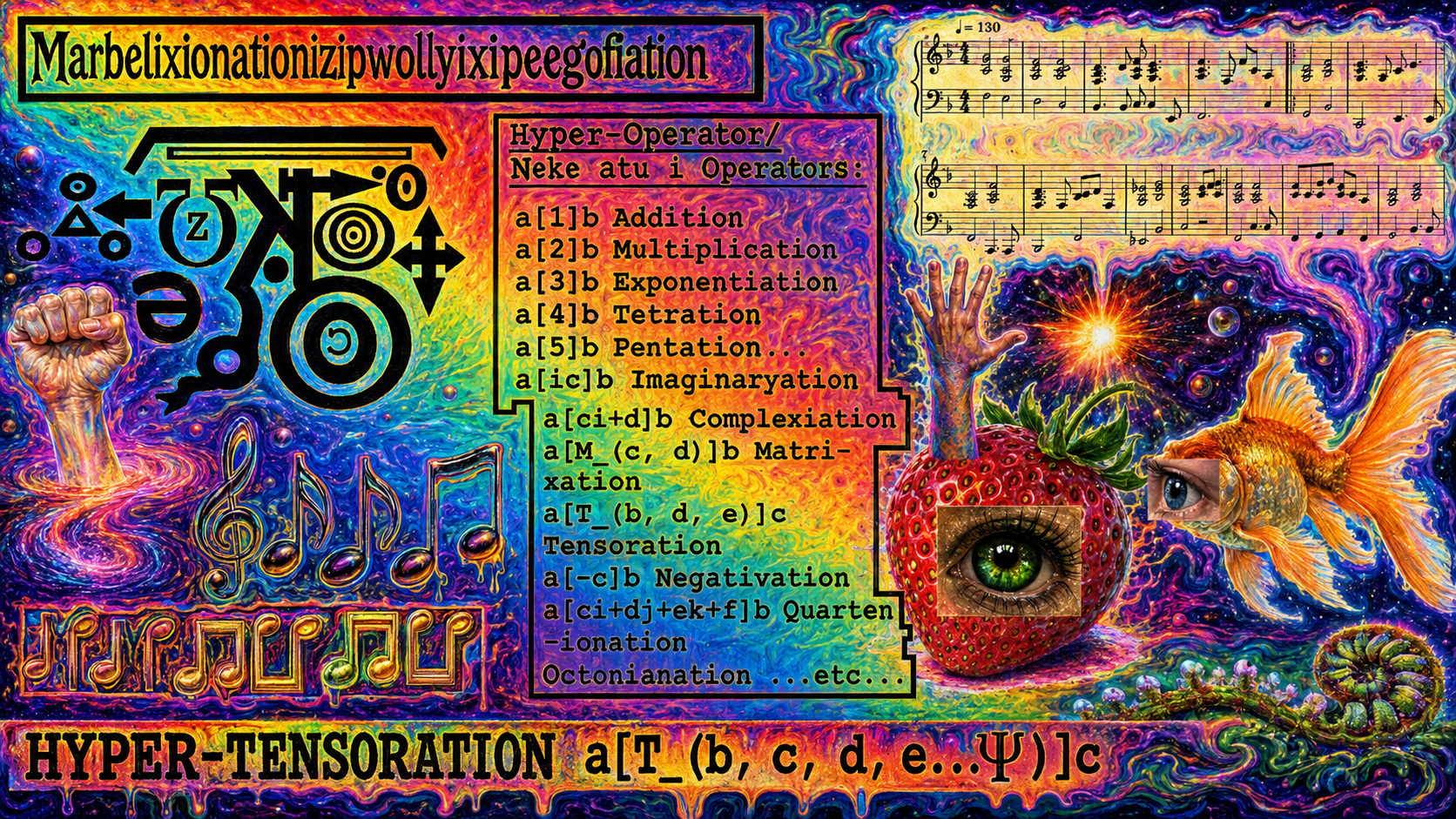
—>I am very, VERY interested to access if artificial intelligence, or super-AI (super-artificial-intelligence) will be able to give definitions for really, REALLY odd-ball, strange, bizarre, weird mathematical formula, and higher operators, applied to higher-states and higher dimensional matrices and tensors of all dimensions and sizes, etc…The only limit is your imagination:
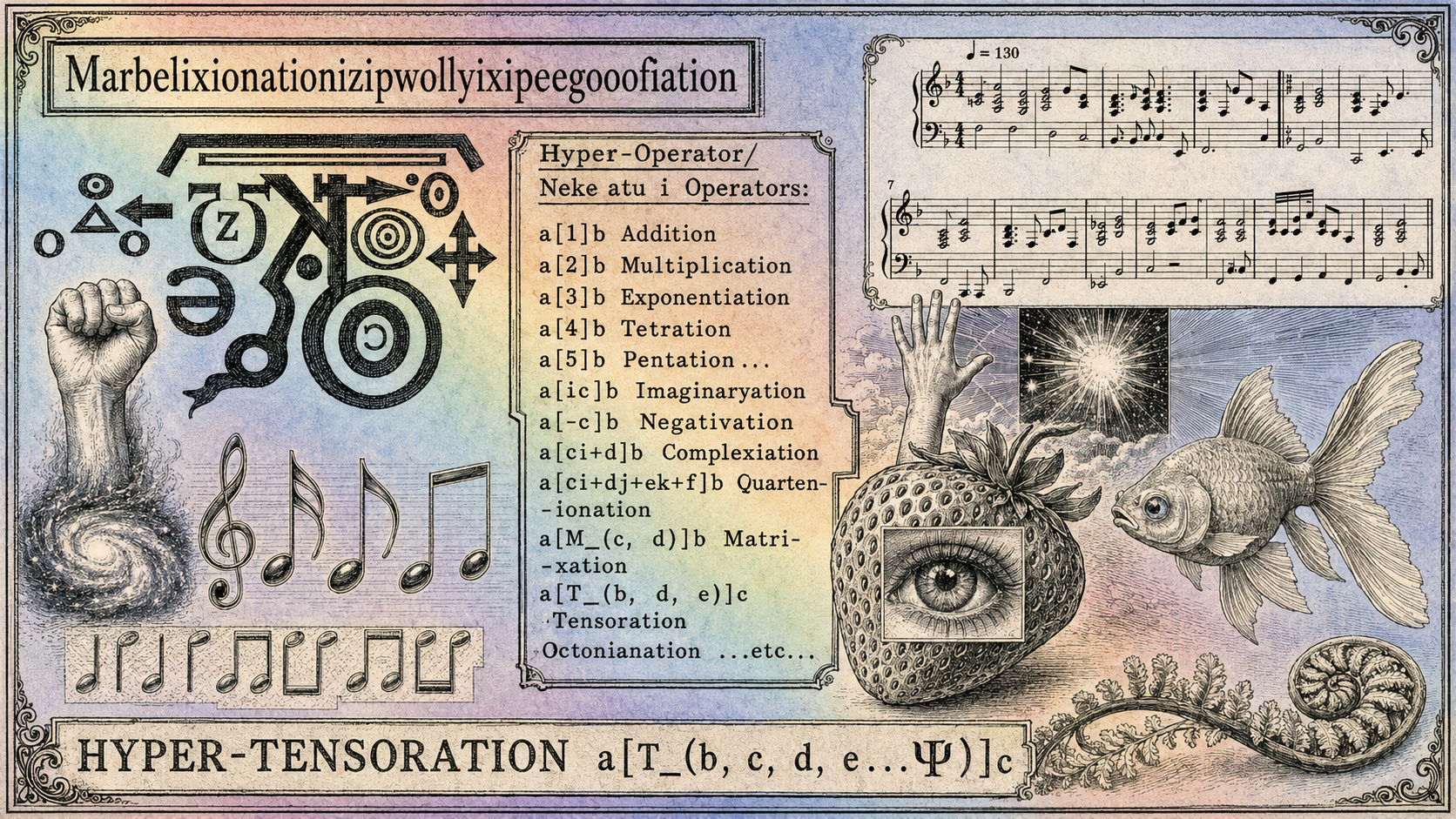
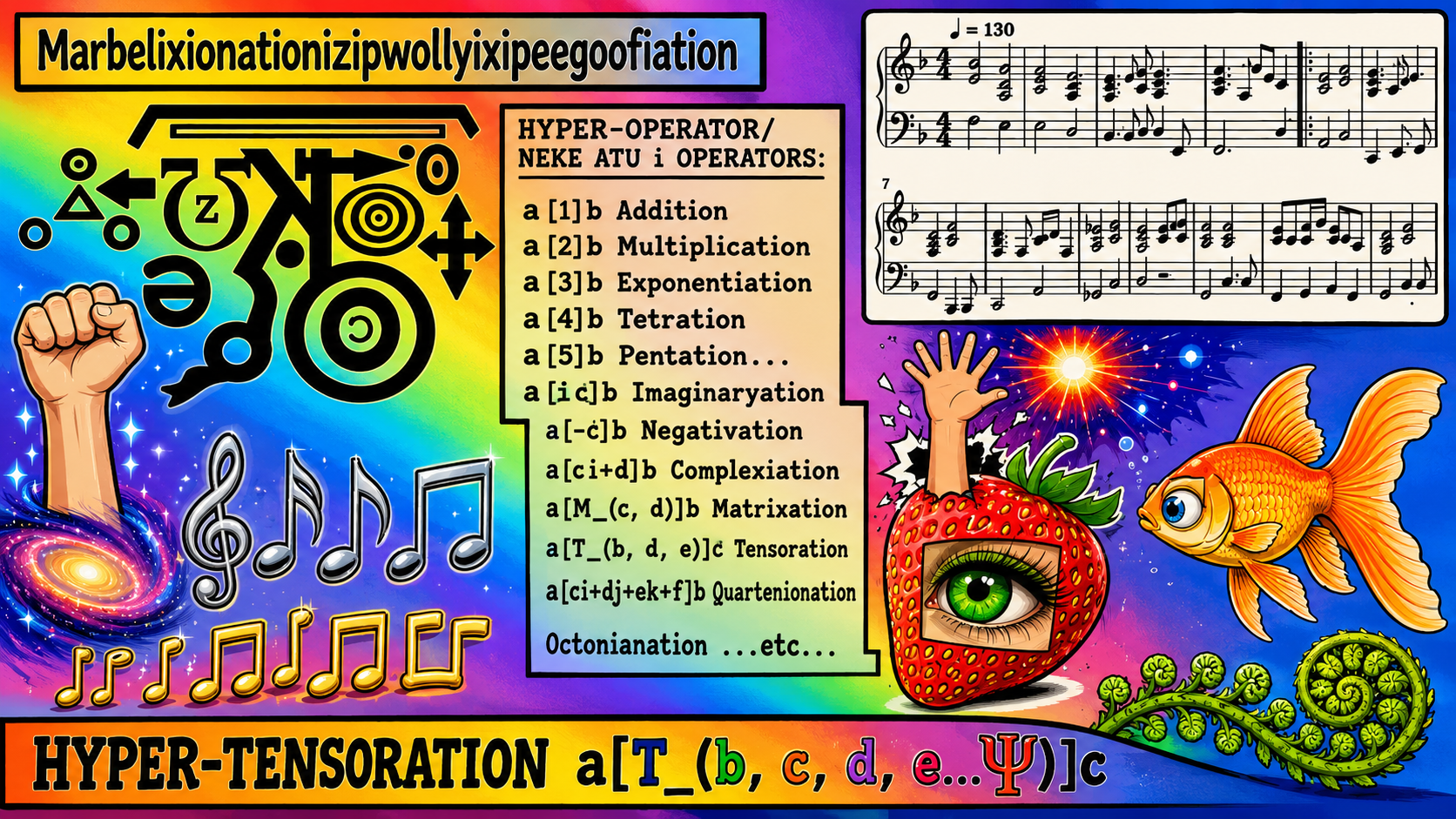
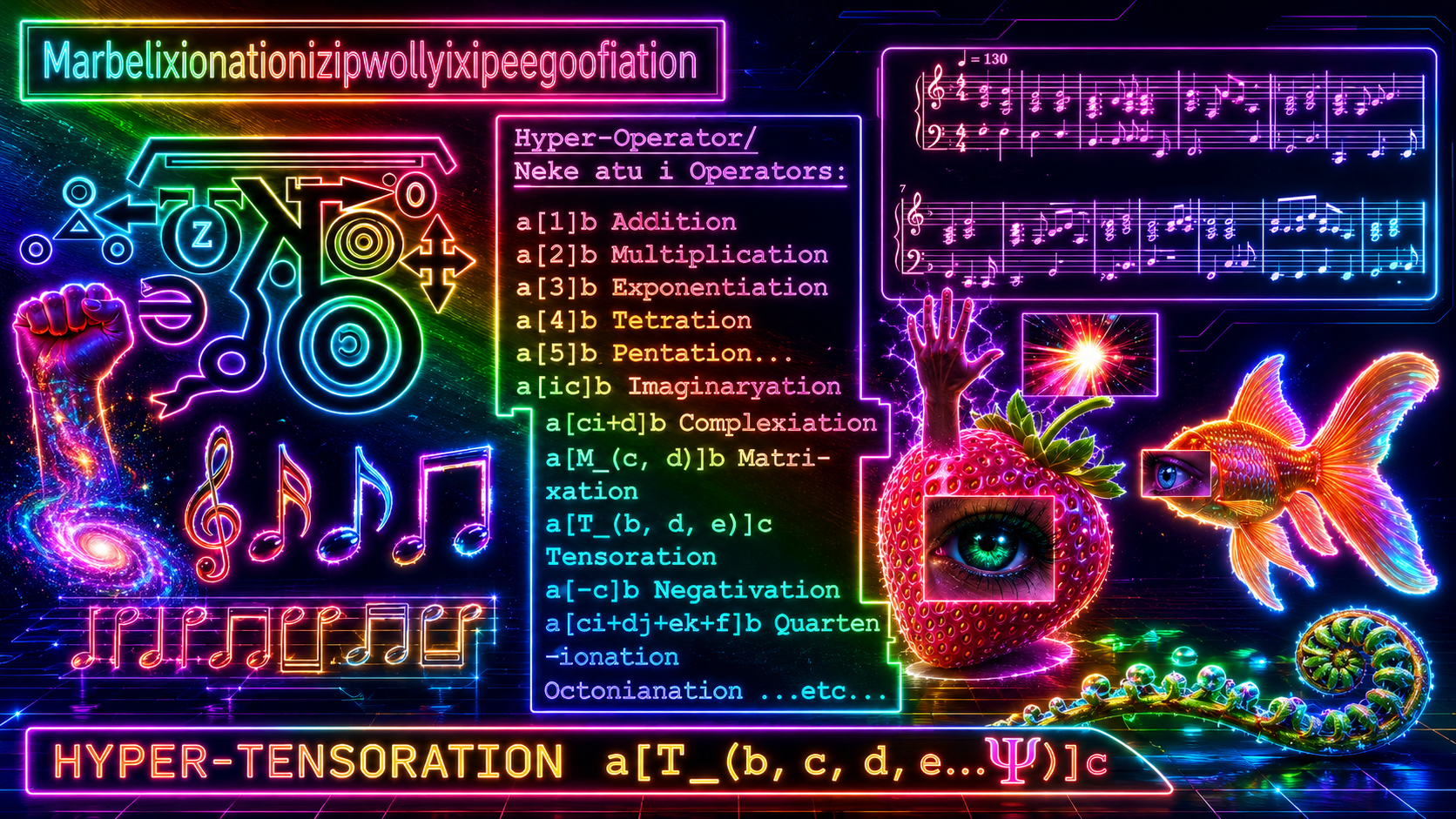
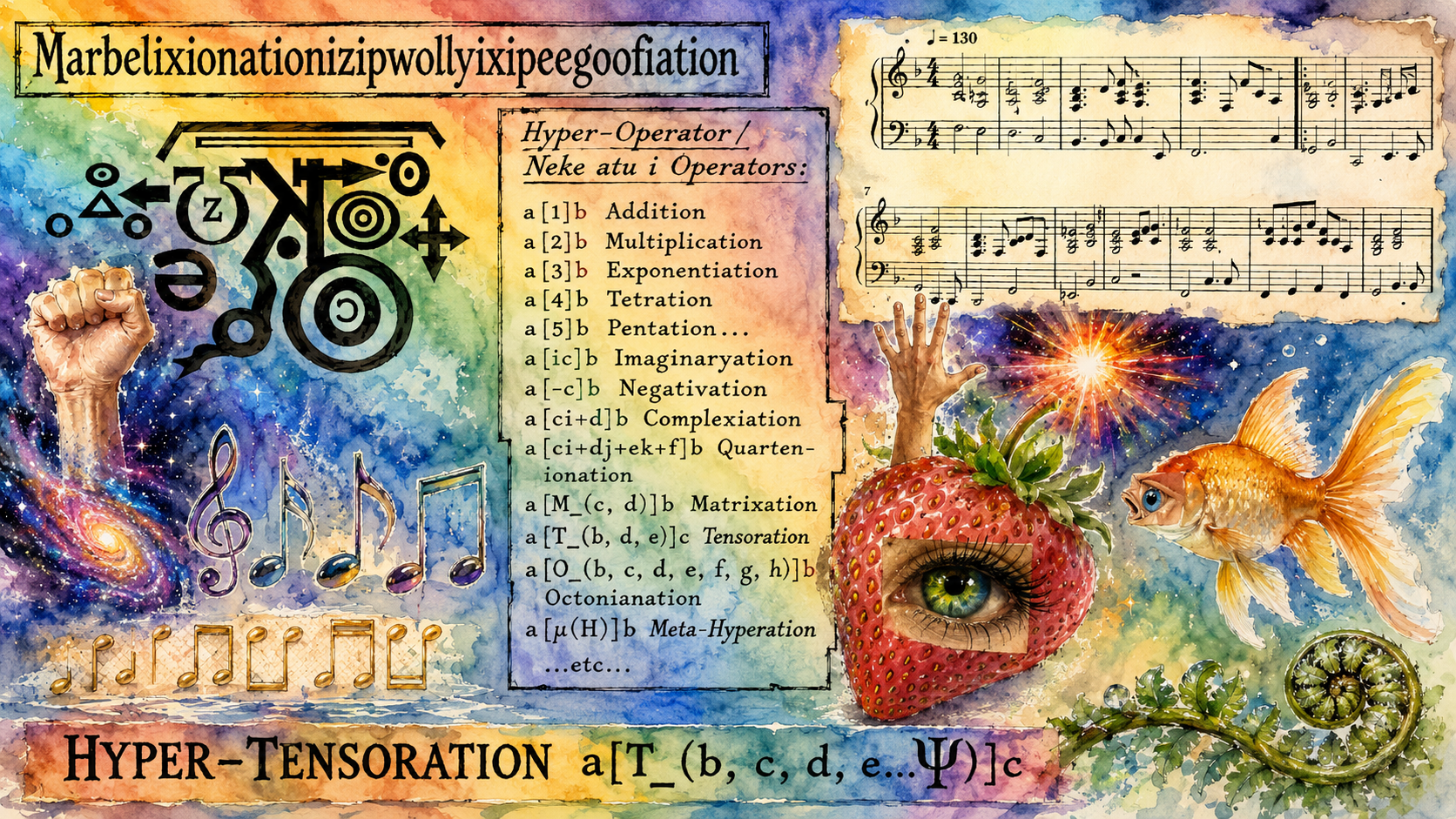
Here in SCAMP, I have defined a+b as a[1]b (addition), a*b as a[2]b (multiplication), a^n as a[3]b (exponents), …and tetration, pentation and hexation as a[4]b, a[5]b and a[6]6…—> etc…, …and right on up to a[c]b for c-ation, and that was all very good, and pretty straightforward, …but what about really odd-ball/strange/weird function(s) like:
a[4]2.5, a[4]5.75, a[4]7.38748494, a[5]6.789, a[-b]c, a[4]-5, a[4]-b, a[-b]c, a[4]ib, a[5](a+ni), a[7.375i]b, 3.7186[8]-i23.89763i, a[3.5i]b, -5.6[-3.5+6i]58i, 27[-6.185]M_(a, b), 47-31i[T_(a, b c)]K_(a, b, c, d, e)…etc…etc…etc…
Here in these higher operator definitions, we have used negative numbers, imaginary numbers, complex numbers, matrices, and 3 dimensional, 4 dimensional, and even five dimensional tensors…etc.. up to n-dimensional tensors!
Indeed, in order to use “tensor operations”, not only do you have to define shape and size of tensor, but cell value and type, also!
Actually, I have a sneaking suspicion that something like:
a[2.5i]b,
…is, ACTUALLY, defined as:
-(a[2.5]b),
…and the non-integer operator is defined by COMBINATIONS of addition and multiplication, with differing parenthesis placement and proportion of operators of formula like:
a[b+(c/d)]e.
In other words, all imaginary operators give a default negative number!
In order to define these really, REALLY bizarre, strange, weird and odd-ball hyper-exponents, bases and operands, we have to have about:
9^3 many formula definitions, or:
729-many definitions.
I say this because there are three places within an operator/base/hyper-exponents, or:
{W, N, Z, Q, R, C, H, M, T}[{W, N, Z, Q, R, C, H, M, T}]{W, N, Z, Q, R, C, H, M, T}.
There are (namely):
W—>Whole numbers,
N—>Integers or natural numbers,
Z—>Positive and negative numbers,
Q—>The rational numbers,
R—>The real numbers,
C—>The complex numbers,
H—>The hyper-complex numbers (or quaternions),
O—>The octonions.
What I need is an artificial intelligence program to colloquially, and also formally, for to help me define things like:
e^^2.5.
When I asked a narrow artificial intelligence all about what (3[4]2.5) was it told me was that this was merely just “difficult to define”, but did NOT give ma an actual formal definition or help with defining, and odd-ball/weird/strange operators, bases, or hyper-exponents.
I would also like an artificial intelligence algorithm to create things like episodes of Sapphire and Steel (after watching and commenting upon the videos), and really weird musical composition in the style of Ivor Darreg, Laurie Anderson, Jean Michael Jarre, Art of Noise, John Cage and Innias Xenakis.
Perhaps also a very, VERY advanced super-AI could help me define the “meta-Haungaonions”.
The word “Hunga” comes from the Te Reo Maori word for “people”, and I feel that it was aptly chosen.
The “meta-Haungaonions” are numbers which are based on higher primes, and, I got the idea from these after realizing that the complex, quaternion and octonion numbers are based on the form 2^n, so what not invent numbers which are based on higher primes (than 2^n), like:
3^n, 5^n, 7^n, 11^n…P_m^n.
I though that we could define structural properties for these like:
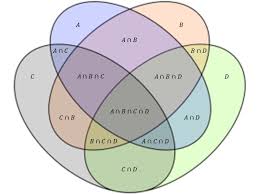
P_2^a (union, intersection, sub-set, no relation) P_3^b (union, intersection, sub-set, no relation) P_4^c (union, intersection, sub-set, no relation) P_5^d (union, intersection, sub-set, no relation)… etc…P_y^z.
Or//
3^a (union, intersection, sub-set, no relation) 5^b (union, intersection, sub-set, no relation) 7^c (union, intersection, sub-set, no relation) 11^d (union, intersection, sub-set, no relation)… etc…P_y^z
there are thus:
(4^(n-1)*C(n))-many ways to define these formula of the “meta-Haungaonions”.
I have a suspicion that imaginary up, arrows are negatives, and that something like:
a[bi]c=-(a[b]c).
And, -why do I say this?
Well, if we try to use the theorem of Pythagoras on a complex operator function like:
a[b+ci]d, we square BOTH b and ci, which will give a positive and a negative and thus reduce the size of the operator.
Thus:
a[(b^2 + (ci)^2)^0.5]d=a[(b – (c^2))]d == a[(b^2)]d + a[(ci)^2)]d == a[(b)]d + a[-(c)^2)]d == a[b]d – a[c^2)]d,
Which reduces the size of:
a[b]d, hence:
a[ci]d might be negative.
It should be realized that swapping exponents can be justified by power series, so that a function:
f(x^n) can represent e^x,
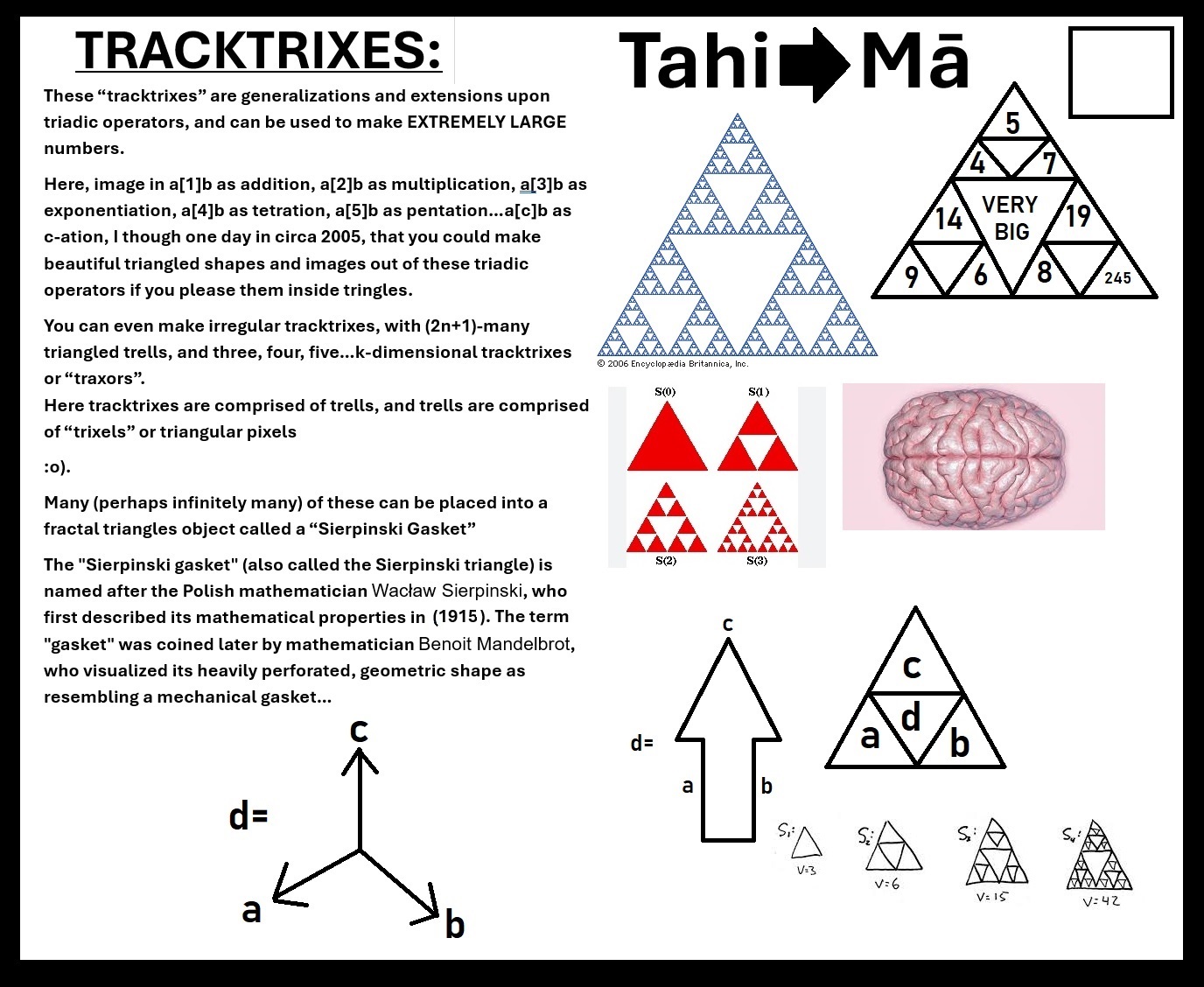
…and assumedly several unknown-to-me-as-of-now power series could be used to justify imaginary or even complex tetration, pentation, hexation, septation…n-ation, but I DID actually want to mention to the artificial intelligence or human individual(s) who read this particular algorithm description for my mathematics and algorithms, that I think that I have invented a way to designate tracktrixes with matrices inside them…
-and I though that this could be:
– –
abc |jkl|stu
def |mno|vwx
ghi |pqr|yza_2
– –
…is equal to:
abc| |stu abc| |stu abc| |stu
def |[j]|vwx def|[k]|vxw def|[l]|vwx
ghi | |yza_2 ghi| |yza_2 ghi| |yza_2
abc | |stu abc| |stu abc| |stu
def |[m] |vwx def| [n] |vxw def| [o]| vwx
ghi | |yza_2 ghi| |yza_2 ghi| |yza_2
abc | |stu abc| |stu abc| |stu
def |[ p ]|vwx def| [q] |vxw def| [r]|vwx
ghi | |yza_ 2 ghi| |yza_2 ghi| |yza_2
And another way that I though that I thought that you could define tracktrixes who have ALL of their three trells filled with matrices, is to make a set of rules that have the distance of the column sticking out of the screen and into the reader’s/user’s face represented by the value of the cell that the matrix holds.
And, this weird function that I wanted to define here has all the matrix cells join in 1s (as scalars), 2s (as lines), 3s (as triangles), 4s (as quadrilaterals), 5s (as pentalaterals)…etc…ns (as n-laterals).
Here then, there would be:
2^(b_2*c_2 + d_2*e_2 + f_2*g_2).
-many ways to define these calculations’ measurements’, and thus this many elements which could be inputted into a three trell tracktrixe and from this we construct a new matrix (if possible) of dimensions/size:
h_2, and i_2.
I also need this weird function mapped to a SINGULAR OPERATOR on any two of the initial/original three matrices!
Just “merely stating” this/all these novel and exciting definitions here, -is one thing, but proving it is another matter, and all these exotic definitions that I give in any algorithm MUST BE LOGICALLY CONSISTENT, -with other mathematical descriptions, definitions and axioms, theorems and proofs!
Mr. Warrick Templeton, (a good friend of mine), once told me that, although, and whilst he did think that my ideas WERE INTERESTING, that the were not really, um, er, ah, “cohesive”, and “practically applicable”.
It should be realized that the TOTAL possible number of audio-sample/sounds/*.wavs is given by/via the formula:
W=d^(S_r*t),
Where:
W is the number of possible *.wavs,
S_r is the sample rate,
d is the audio-sample’s depth,
t is the sample’s duration, and also…
It should be realized that the TOTAL possible number of images/*.jpegs is given by/via the formula:
I=(h*g)^(x*y),
Where:
I is the number of images,
h is the number of colors/hues,
g is the number of shades of gray,
x is the size of the image in pixels-across,
y is the size of the image in pixels-vertically,
It should be realized that the TOTAL possible number of digital-videos/*.MPEGS is given by/via the formula:
V=(h*g)^(x*y*V_t*F_r)*d^(S_r*t),
Where:
V is the number of videos,
h is the number of colors/hues,
g is the number of shades of gray,
x is the size of the image in pixels-across,
y is the size of the image in pixels-vertically,
V_t is the total time of the video,
F_r is the frame rate of the video in images per second,
S_r is the sample rate,
d is the audio-sample’s depth,
t is the sample’s duration.
So, the numbers here are pretty big relative to everyday usage, but pretty small to a mathematician like me (relatively speaking).
I do so wonder EXACTLY what the practical application of other higher operators than exponents is?
Maybe tetration, pentation, hexation, septation…etc…could be used to model explosives percentage increase in volume for very, very small time intervals, yes, indeed, a practical, real world application of double exponents, triple exponents, quadruple exponents, etc…n-uple exponents, onwards and upwards to tetration, pentation, hexation and ever higher operators, and this could, as I say, -could be explosives, and the expansion rate of TNT (Trinitrotoluene) in terms of coefficient of volume expansion as a function of time/nanoseconds, -and other quite closely related phenomenon like supernova, and hyper-nova expansions and explosions (percent volume increases per unit time), the density of a neutron or quark star very near their centers/interiors, or the density/strength of a black-hole/black-hole’s gravity near it’s center/interior.
Perhaps at the very center of a black-holes interior the gravity is so intense that it can only be described with the mathematics of really, REALLY high operators, and perhaps each black hole’s singularity are different sizes of infinities, and are like cabbage-patch dolls, in that no two are alike, so some black-holes have singularities of w^3, some 5^w, some w^(w^w), w[w]w, e_e_3, e_e_e_5, n_n_n_n_n_7, y_y_y_y_y_y_y_y_y_y_y_27273784849, Alpha_Phi (where Phi is a HUGH number like Busy-Beaver(Tree(37398489745789547859780808903908398398032932006337438[2837373]329393)), etc…(these are all ever increasing sizes of infinite ordinals), and I am BOTH hornswoggled and befuzzled by their size especially when applied to black-hole singularity densities, and gravitational field strengths), …and I can go onward-and-upward into ever higher infinities/ordinals/cardinals, up into the Veblen hierarchy…, and perhaps with stars, nova, supernova, hyper-nova and black holes, my WHOLE POINT being, that, the classification system that we are using is too broad, in that NO TWO (OR MORE) ARE ALIKE!
Maybe these higher operators ([4], [5], [6], [7], [23], [97], [373], [384747474], [448547855754848291] etc…), -could also be used to test the proficiency or human-like behavior of artificial general intelligences, or even a novel, new and exciting way to model “super-compound interest”, as mathematics models reality as we perceive it tot be.
And, so, -the formula for compound interest is A = P*(1 + r/n)^(n*t),
Where:
A…Is the future value of the investment/loan, including interest,
P…Is the principal investment amount (the initial deposit or loan amount),
r…Is the annual interest rate (as a decimal),
n…Is the number of times that interest is compounded per year,
t…Is the number of years the money is invested or borrowed for.
And, the formula for super-compound interest is…
A = P*(1 + r/n)[4](n*t).
For any algorithm—>Imagine asking a super-artificial intelligence in the vast, VAST future (year 45346 A.D.) the definitions of the mathematical formula, functions and relations, which are shown and suggested here in these notes and, algorithms here, in SCAMP.
I mean, I might ask this artificial intelligence what the 15th super-duper logarithm (that is the left-hand-side/pentative/fifth order of operations inverse), in p-adic (or regular/standard number system) base_23 is of the number with a quaternion state …G9417CD783BA6G9417CD783BA6G9417CD783BA6 is (note, -the repeating digits G9417CD783BA6), and similar question can be asked for matrices, 3-tensors, 4-tensors, 5-tensors…n-tensors of all manner of shapes, dimensions, cell states, cell magnitudes and n-tensor sizes…
:o).
Perhaps an artificial intelligence in the future can find a practical application for the mathematics that I speak and write of here in these Website notes and algorithms!
There is a man who I can really relate to, and who I really respect and admire, and this is Paul Erdos, who is one of my favorite mathematicians.
I also like Srinivasa Ramanujan Iyengar, Alan Mathison Turing, and Andrei Nikolayevich Kolmogorov.
There was once a book written about Paul Erdos called The Man Who Loved Only Numbers, which I really read and enjoyed.
I always though that my arrow notation, which can, by the way, be mapped to a Serpinski gasket or Serpinski sieve, could be used for lossless data compression, or data distilling for a lossless compression, and also for cryptography, to encrypt,
encode, or to disguise messages, like a message in base_48, with it’s characters as:
{(A-Z)—>0-25, !—>26, ,—>27, ?—>28, – —>29, “—>30, (—>31, )—>32, _—>33, white square —>34, black square—>35, .—>36, <space>—>37, (0—>9)—>47}.
Can I data compress VAST quantities of information into a tracktrixe based formula “heuristically” to save space.
I could of course attempt to do this by subtracting from the information of an entire encyclopedia set written in base_48, all the 125-many formulaic possibilities, and I realize that in order for me to find the optimal one, then this would require for me, to
access:
(5^3)!-many formula, because subtracting is non-commutative, and because I would have to check each of:
data-encyclopedia-volumes – (0—>5)[(0—>5)](0—>5), to find the optima and most efficient data compression, which requires 125!-many possibilities, which is an impractically big number.
I may encrypt a message by mapping an alpha-numeric-and-special-character message to base_48, -as I suggest, above!
It ism PRACTICALLY IMPOSSIBLE for BOTH a human AND a computer/man made machine to make PURELY-TOTALLY0-AND-ABSOLUTELY random number sequences in binary.
Why, -if I give a humans task to touching a button to print zero with his left hand, and a button to print 1 in his left hand, and I tell him to make the most random pattern on 0s and 1s that he can, there will nearly always be a “bais to some sort of pattern”.
I can create a “difficulty rating” for a mathematical conjecture, by finding the number of the year that the conjecture was stated (Y_s), and the number of year that the conjecture was solved (Y_p), and I might apply them to a formulae:
Y_p-Y_s, 2^(Y_p-Y_s), 2^Y_p – 2^Y_s.
Perhaps this could give us an estimate as to the difficulty and EXACTLY HOW DIFFICULT the mathematical, conjecture was to prove, or by the amount of bits information the stating and proving used.
Other measurements of difficulty could be the size of the largest prime known to humans at the time was that the conjecture was proved, or the amount of energy that the civilization used in it’s society was when it proved the conjecture (Kardashev’s scale, LPNNTS (largest prime number known to science scale) and, I always though these were good indications to access exactly how advanced a civilization was).
I also wish to map the inverse operations (like super-duper-logarithm, super-duper-root, and operator chisel) to a singular operators, so in the case of operator chisels, here:
f^-1(a, c) applied to a[b]c, would give us, well, um, er, ah:
“b” (form the operator), where…,
Here a is the base, b is the higher/hyper-operator, and c is the higher-operator exponent.
Also, (finally)…What can be asked of these mathematical notes is as to what SINGULAR OPERATOR, would I get if I were to map the behavior of a Poincare Recurrence Map set of:
2, 3, 4, 5…etc…n-many,
CONSECUTIVE matrices and pixel attribute maps to 2, 3, 4, 5 …n-many consecutive matrices, whereby row and columns were th x-axis of the mangled images, and also the y-axis of the mangled images,
and where by pixel attributes (red/green/blue/Alpha/hue) were cell magnitudes.
Why, for the first three Poincare-Recurrence-Map pictures/images, -I might get:
A_(x, y)[b]C_(x, y)=D_(m, y) for 3 consecutive Poincare-Recurrence-Map images,
A_(x, y)[e]C_(x, y)[e]F_(x,m)=D_(m, y) for 4 consecutive Poincare-Recurrence-Map images,
A_(x, y)[g]C_(x, y)[g]F_(x,m)[g]H_(x, y)=D_(m, y) for 5 consecutive Poincare-Recurrence-Map images, etc…
And, so, if all these images were consecutive Poincare-Recurrence-Mapped images/pictures, then what would the values of the elements of set R be, here:
R={b, e, g…, etc…}?!
I also was thinking about primth-primes, primth-primth-primes…and a recursive higher dimensional array of primth-primth-primth-primth…etc…primes…
These can be extrapolated up into much, MUCH higher dimensions!
There is this algorithm that I need for GPT to write, which calculates the individual sequence terms, and the nth term of the combinacci sequence.
So, -what is the combinacci sequence, you might ask?
Well, -in order for me to fully explain to you EXACRLYN WHAT the combinacci sequence is, I have to introduce you to the Fibonacci sequence, which starts with 2 ones as it’s first and second terms, and the generates successive terms via the formula:
t(n+1)=t(n)+t(n-1), -and is thus/therefor, the sequence:
1, 1, 2, 3, 5, 8, 13, 21, 34, 55, 89, 144…etc…
The Tribonacci sequence starts with two ones, as does/like the Fibonacci sequence does, and then applies the formula:
t(n+1)=t(n)+t(n-1)+t(n-2), -and is thus/therefor, the sequence:
1, 1, 2, 4, 7, 13, 24, 44, 81, etc…
The Quadbonacci sequence starts with two ones, as does/like the Fibonacci sequence, and the Tribonacci sequence does, and then applies the formula:
t(n+1)=t(n)+t(n-1)+t(n-2)+t(n-3), -and is thus/therefor, the sequence:
1, 1, 2, 4, 8, 15, 29, etc…
This continues for Pentbonacci (uses 2 ones at the start and the formula t(n+1)=t(n)+t(n-1)+t(n-2)+t(n-3)+t(n-4)), to Hexbonacci (uses 2 ones at the start and the formula t(n+1)=t(n)+t(n-1)+t(n-2)+t(n-3)+t(n-4)+t(n-5)), to Septbonacci (uses 2 ones at the start and the formula t(n+1)=t(n)+t(n-1)+t(n-2)+t(n-3)+t(n-4)+t(n-5)+t(n-6)), etc… and right on up to m-bonacci,
which uses 2 ones to start with and the formula t(n+1)=t(n)+t(n-1)+t(n-2)+t(n-3)+t(n-4)+t(n-5)+t(n-6))+…t(n-m)
Then these is the “combinacci sequence”, and this and it’s namesake is a Portmanteau word of combinations and -bonacci, hence combi+nacci, or “combinacci”, and this is made by starting with two ones, and adding combinations of successive terms, which are made by disabling some/all/none of the successive terms.
So, I would (therefore) get the algorithm to prompted me for the number of terms which could potentially be subtracted or m, and putting a practical limit on it I feel taht m could be between 2 and 300, and to these terms we enable or disable successive terms to be added, and then instruct the algorithm for to calculate to the kth term, which could practically be between 2 and 1000.
I also though that it would be a very good idea for to choose a greater or equal number of ones to start with, hence the term MUSC-numbers or “MULTIPLE-UNARY-START-COMBINACCI NUMBERS (MUSC NUMBERS”.
Practically, the number of ones to start with could be between 2 and 300, I though.
Please GPT, can you write me an algorithm which calculates the kth term, and the first k terms and also the ratios of the converging successive leading/most recent terms, and rank them from smallest to largest, displaying BOTH their size, AND their rank, -as I really want to checkout the number/irrational constants.
The last time that I checked the Hexbonacci number sequence’s converging terms were acting really, REALLY weird!
I am alos intersted in Lychrel numbers, and palindromic number’s converging ratios, and the practical application of hyper-operators like tetration, pentation, hexation, septation, octation, nonation, decation…and above and beyond!
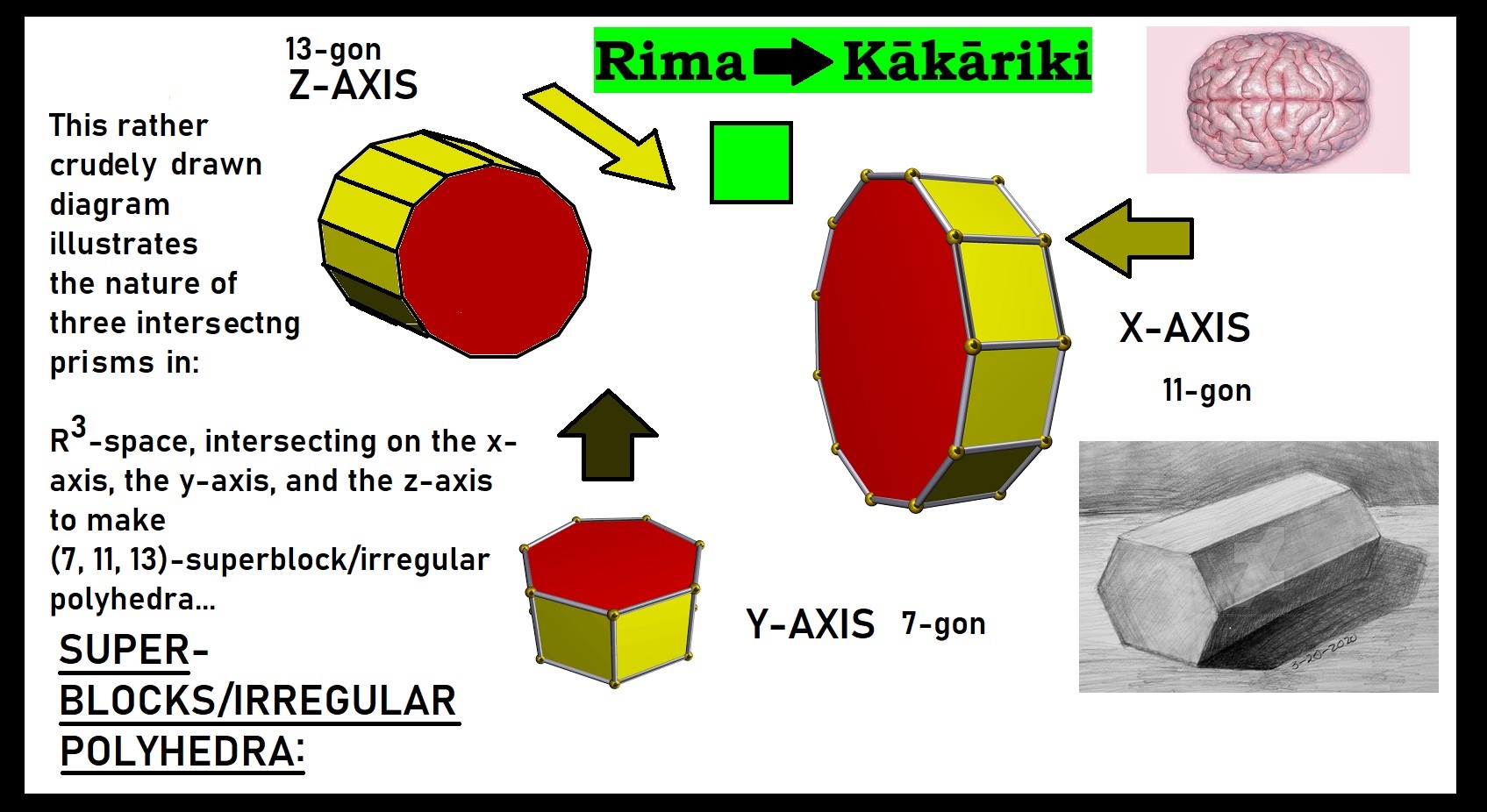
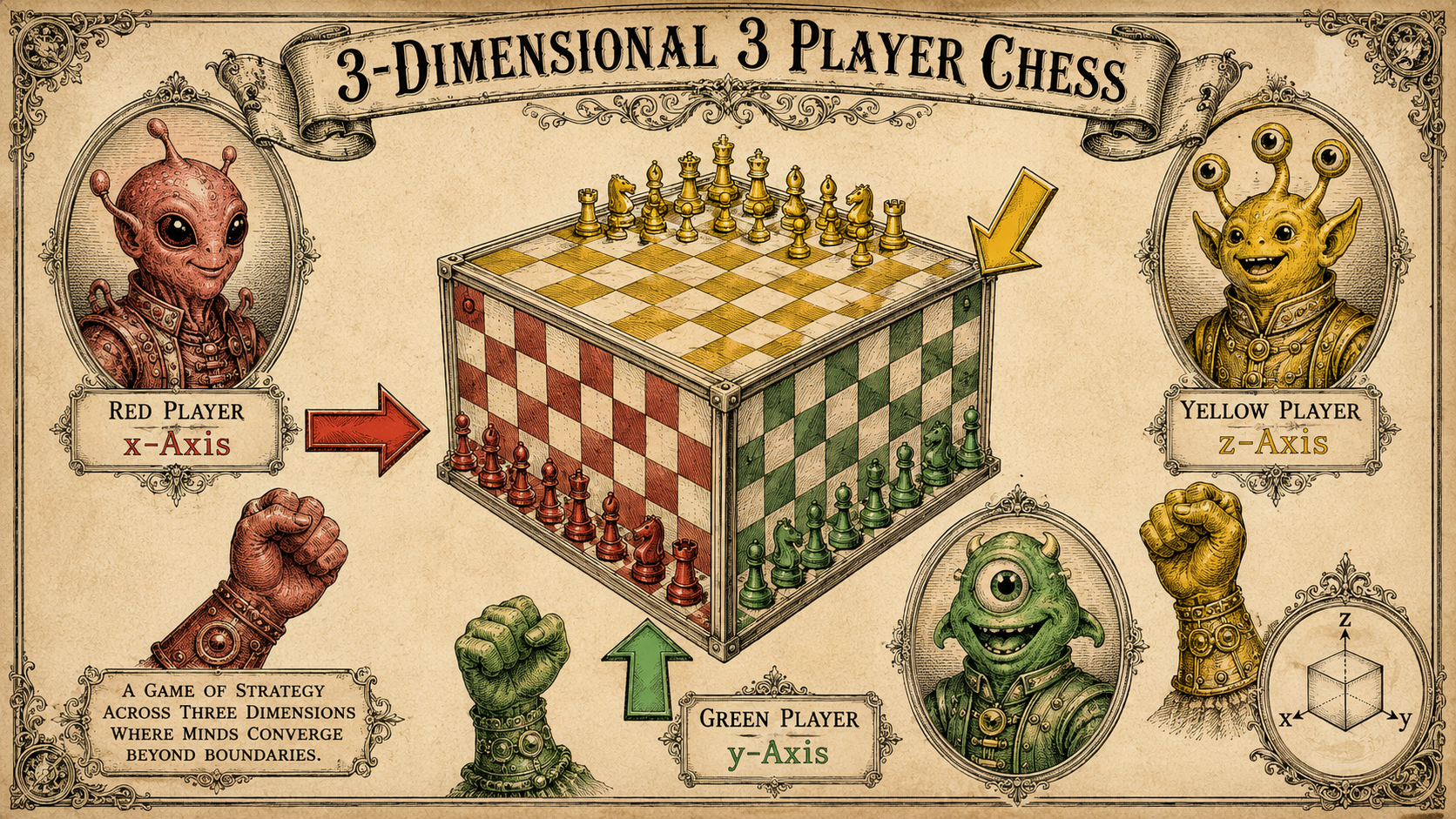
I had this crazy idea about a game taht could be played with higher dimensional versions/analogs of Platonic solids, and, of course the “super-blocks” or irregular polyhedra which I mention here in this Website.
If I take a square, and I assign weighting points to it’s vertices and edges, I can attempt to trace a pen all around that shape, with the rule that I MUSST cover all of the vertices and edges of the square, but score the least number of points (golf score, taht is LOWER is better), by crossing over the vertices and edges of the square the LEAST number of times.
And, for the case of the square, the least number of times, is pretty trivial, why, you’d just scan around the edge of the square, and if vertices were worth 2 and edged were worth one, then the only possible and also lowest score that you could get via/by this process would be 12 “crossing points”.
A very boring game indeed.
And then there is the cube, which can have points assigned to it’s vertices, edges, and faces, and these can be give the weighting scores of a, b and c.
Depending on these weightings/weighting-parameters, which is the optimal strategy, and also the optimal pathway for traversing the (1, and 2)-dimensional parts of the 3-cube, in the least possible amount of points?
But, where things get interesting and complicated, is where we use other higher dimensional Platonic solids and higher dimensional polyhedra, -BOTH regular and irregular (like a 741-dimensional super-block).
I might experiment with assigning integer points of the vertices, edges, faces, solids, hyper-solids, hyper-hyper-solids, and hyper-hyper-hyper-solids etc,…onward and upward from 3-many dimensions to 741-many dimensions, and here I can assign integer points to the vertices as 0, 1, 2, 3, 4… …etc for the 0, 1, 2, 3, 4 etc…dimensional parts of the 741 dimensional superblock.
The whole object/whole point of doing this pencil tracing over the lower and higher dimensional parts of these higher dimensional objects, is to do this in the least number of points only.
Yes, indeed, you can cross over your old pathway(s) multiple times, but doing so would be disadvantageous, because it increases your score, which you do not want to do.
I need an optimal algorithmic strategy for traversing a mathematical solid of many different types, in many different dimensions, sometimes up to trillions and googols if not googolplex-plex-plexes of dimensions.
And what about inverting or permutating the scores?
Remember, I need an algorithmical approach that works for ALL AND EVERY case(s) …
One thing that I am very interested in is higher operators.
I feel that the laws of indices can be extended.
Sure, -we all know the standard laws of indices, here:
a[3]b[2]a[3]c=a[3](b[1]c).
…and…
(a[3]b)[3*e]c=a[3](b[2]c),
But I thought about extending the like so:
a[3*d]b[2*e]a[3*f]c=a[3*g](b[1*h]c).
…and…
(a[3*d]b)[3*e]c=a[3*f](b[2*g]c),
…and this is the crazy haywire guessed at version of the laws of indices…
And, -as for for tetration, -these are:
a[3](a[4](b-1)) [2]a[3](a[4](c-1))=a[3](a[4](b-1)[1]a[4](c-1)),
…and…
(a[3](a[4](b-1)))[3]c=
a[3](a[4](b-1)[2]c).
If I do these extended laws of indices between tetration and septation, there are 4^3 extended laws of indices or 64 extended laws of indices, and 4^2 extended laws of indices or 16 extended laws of indices, for the two laws/Theorems/formula that I gave you above!
I would also like to know the surface area to volume ratio. and also the ratios of the n-dimensional parts and also the (n-a)-dimensional parts of the four dimensional tracktrixe based graph of the plot of:
y=x[w]z.
Gabriel’s Horn (also known as Torricelli’s trumpet) is a geometric shape generated by rotating the graph of the function y = 1/x around the x-axis, and Gabriel’s horn’s surface area to volume ratio is infinite.
The formula for the 3-spehre is:
x^2+y^2+z^2=r^2,
…and, -it has the lowest surface area to volume ration of any a shape, making it the most energy efficient shape…
Yes, indeed, -the sphere is the most energy-efficient three-dimensional shape because it encloses the maximum volume with the minimum surface area. This optimal surface-area-to-volume ratio minimizes energy loss, material usage, and structural stress, though its practicality depends on the application, and, or course, the aesthetics of the building and the architect’s taste!
I read an science fiction author once said that If i sat down enough monkeys at enough typewriters and got them to tap at the keys randomly, then eventually, and by sheer chance, there would be intelligible non-gibberish and non-junk produced by them, but it also works the other way, in taht I might have a very, VERY complicated formulae/formulae set or algorithm, into which I might feed a base_128 ASCII conversation to, and it might map this to a base_128 number, and give the illusion of intelligent conversation from inputting conversation mapped to number mangled by formulae/algorithm mapped to mangeld numebr maopped to outputted conversation.
Perhaps the formulae and algorithm required for to produce a human level intelligence conversation are so complicated that they are very, VERY large, complicated and impractical, and the only thing that can emulate the human brain is, well, -the human brain!
In this mathematics blurb/rant I wanted to suggest a regressional-voting system, which essentially is an extension upon the Borda count voting system:
It is known as the “Borda-Count-Points-Regression-Algorithm”, or the “BCPR-algorithm”.
In this particular algorithm, -if we were to rank candidates in terms of preference, for something like n point for first, (n-1) points for second, (n-2) points for third, (n-3) points for fourth etc…
We can have a very peculiar and “perverse situation” occurring in the way that the number “add up and work-together”.
So, (for example), -with something like, ten candidates, I might for candidate A have 6 first places and 4 last places (totaling 64 points), and this would be easily beaten by candidate B which had 4 first places and six second places (totaling 94 points).
I do know that there WAS ACTUALLY once, in the history of New Zealand, and also in my life, actually, a referendum here in New Zealand in which the population kind of, er, uh, ah, eh, er…”vote for the voting system”, and this used first past the post-voting system to vote for mixed member proportional, and personally, I voted for the single transferable vote, because it is most similar to the Borda count, which I like best, being a mathematician!
And, then a thought entered my head, (soon thereafter), -that we could have a voting-system-to-vote-for-the-voting-system-to-vote-for-the-voting-system, and also even a…voting-system-to-vote-for-the-voting-system-to-vote-for-the-voting-system-to-vote-for-the…etc…
And, it is EVEN MORE interesting when we can also have a regressive-Borda-counting-system…which essentially has us…:
…vote-for-points-using-points treating the points-as-candidates, and we can then vote-for-points-using-points-to-vote-for-points-using-points-to-vote-for-points treating the points-as-candidates, and then we can vote-for-points-using-points-to-vote-for-points-using-points-to-vote-for-points-using-points-to-vote-for-points treating the points-as-candidates…etc…in a regression.
This can be represented by a matrix, and the points-voting-for-points can be represented using 100-to-vote-for-10, and the points-voting-for-points-voting-for-points can be represented using 1000-to-vote-for-100-to-vote-for-10, and the points-voting-for-points-voting-for-points-voting-for-points can be represented using 10000-to-vote-for-1000-to-vote-for-100-to-vote-for-10, in a 10*v-matrix
Look, I could go on, but I think that you’ll see my point, and thit is (obviously) an “ORDERED BORDA-LIKE-REGRESSION” (a “OBLG”) of points systems voting for points systems voting for points systems… BOTH regressively AND recursively.
I thought about reversing or scrambling the regression of points systems voting for points systems recursively, using things like:
10-to-vote-for-100-to-vote-for-1000-to-vote-for-1000,
Which reverse it, and I can also permutate these r!-many ways.
One such example (of r!-many) is:
100-to-vote-for-1000-to-vote-for-10-to-vote-for-10000.
I wounder EXACTLY how many “perverted results”, that you would get with these hyper-extended-Borda-points-counts-voting-regressions?!
I need an algorithm written which will simulate a random simulation of:
…votes-for-points-votes-for-votes-for-points-for-votes-for-points—>votes-for-points-votes-for-votes-for-points—>votes-for-points—>candidate selection.
This algorithmical process should (eventually), -rank candidates with a regression-of-Borda-points on a large population (10^30-many say), of candidates…
I have had a question, a question about “mere physics” and the standard model for a while.
Suppose, that I were to do something…
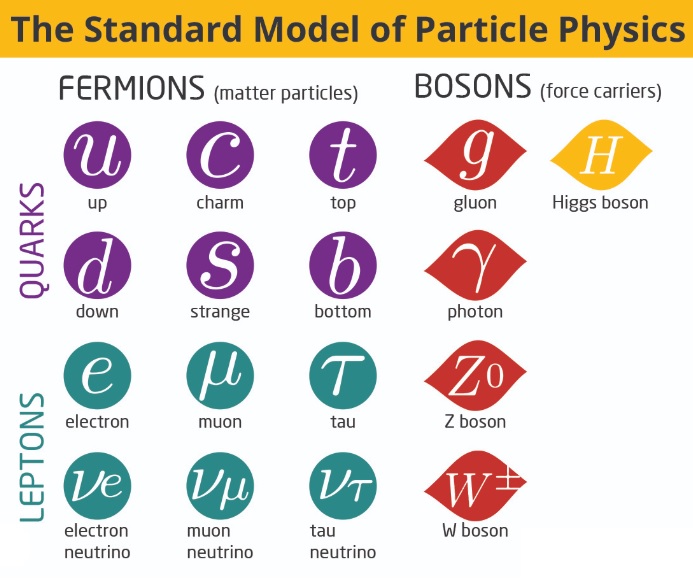
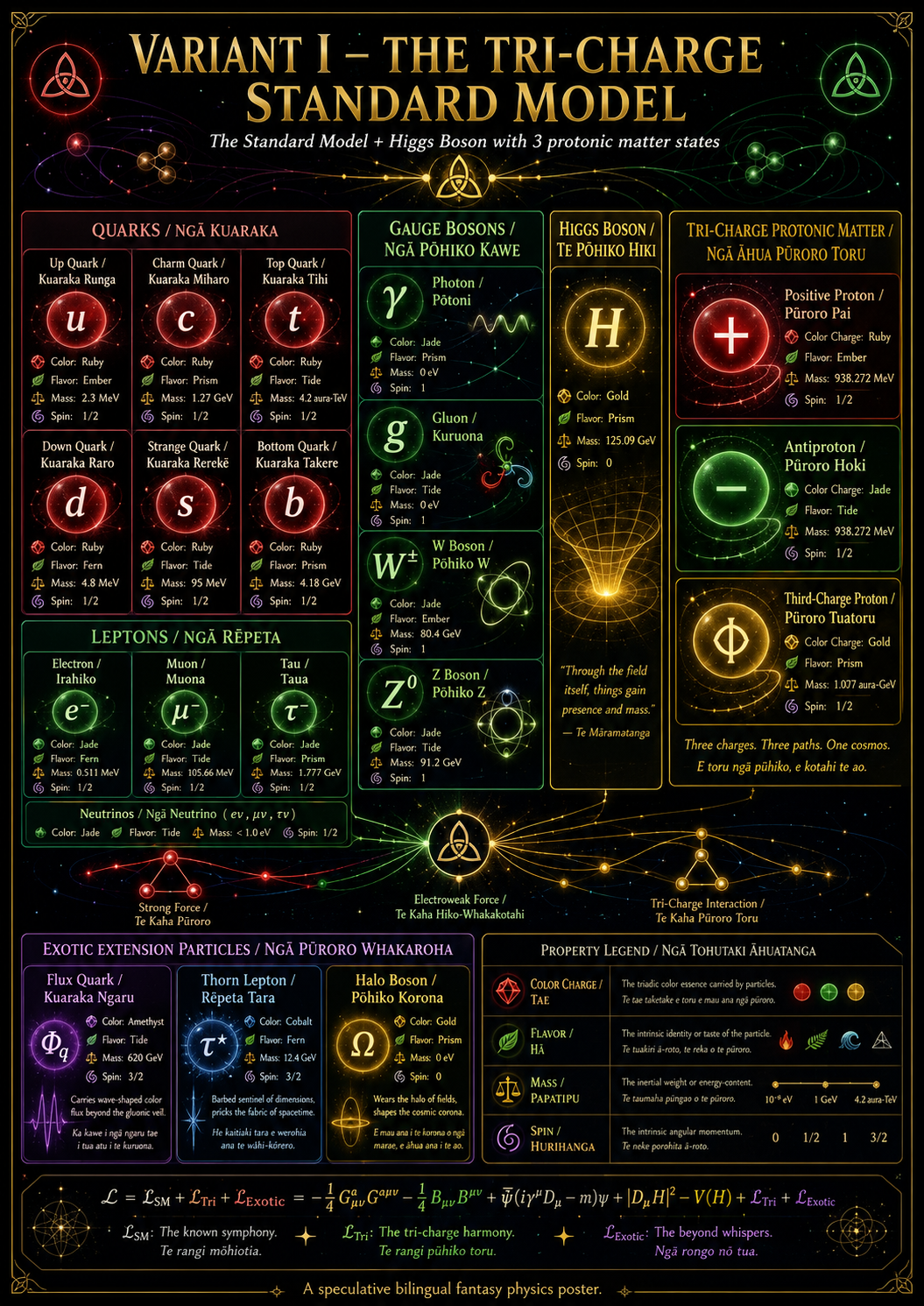
Suppose that if I were to take the masses, charges, color-charges, flavors, spins, and other miscellaneous properties of all the particles in the standard model of particle physics, and suppose I were to make them into the rows and columns of a matrix, and express each of their properties (ESPECIALLY their masses), as rations, in the matrix’s cells, then would I get sub-sets of the set Q (the rational/rations), or sub-sets of set R (the irrational-reals).
Quantum physicists tell me that the nature of time, space, matter, energy and other physical properties and attributed of these particles is quantized, so it would make sense that doing this would generate sub-sets of the set Q, -then wouldn’t it?
If the nature of time, space, energy and matter is continuous, then this procedure would generate reals from the set R!
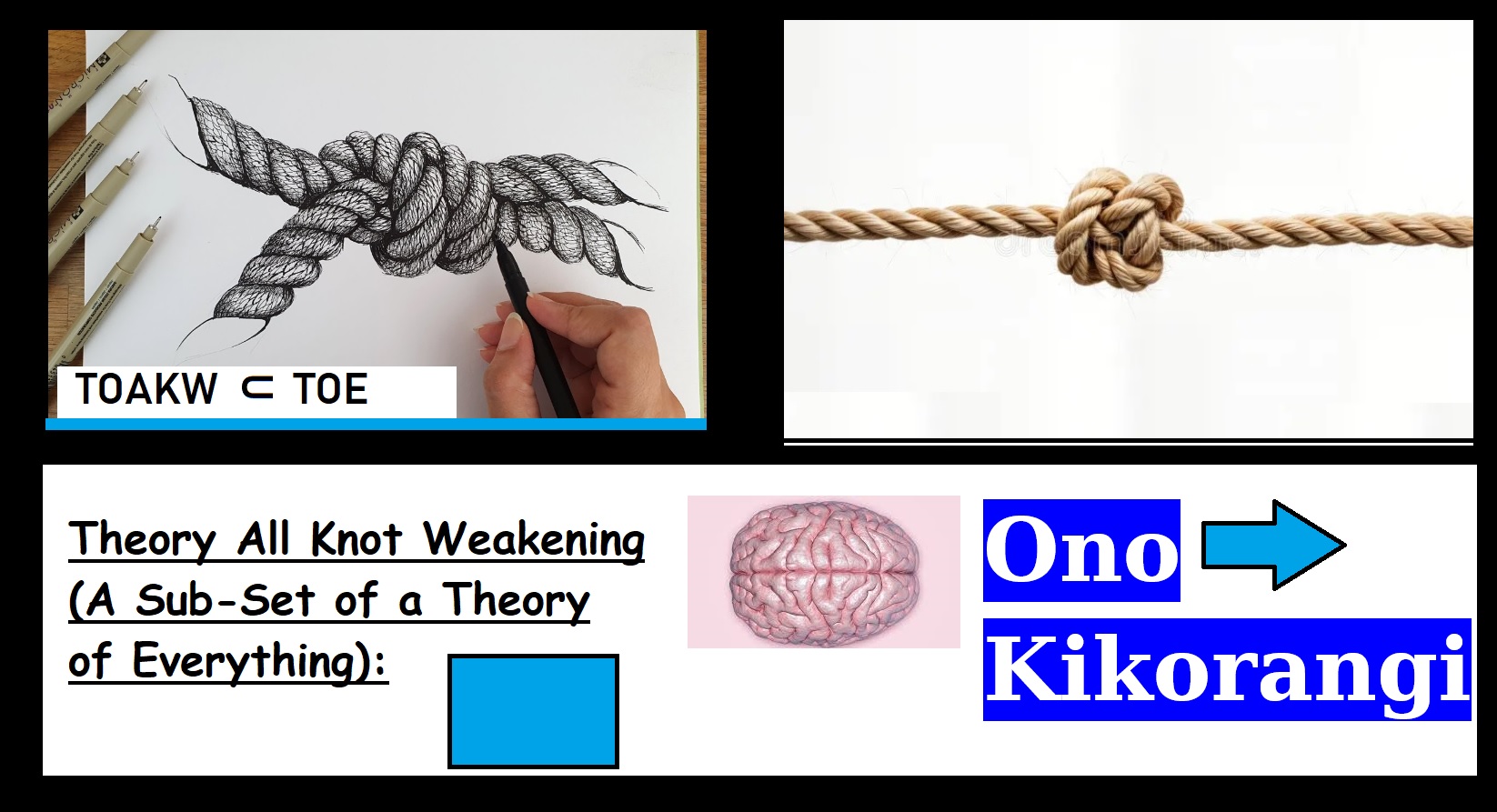
No one, nobody, and no physicist has ever been able to give me a straight answer to this question, or a theory of all knot weakening (see above).
Indeed, it used to really, REALLY trouble me that the periodic table and the standard model was not an ABSOLUTLEY perfect square, rectangle, obolid, shape, and was irregular, and this is ESPECIALLY true for the periodic table of the elements.
Why are these mathematical object not well behaved like this?
No one has ever been able to give me a straight answer to this question, either!
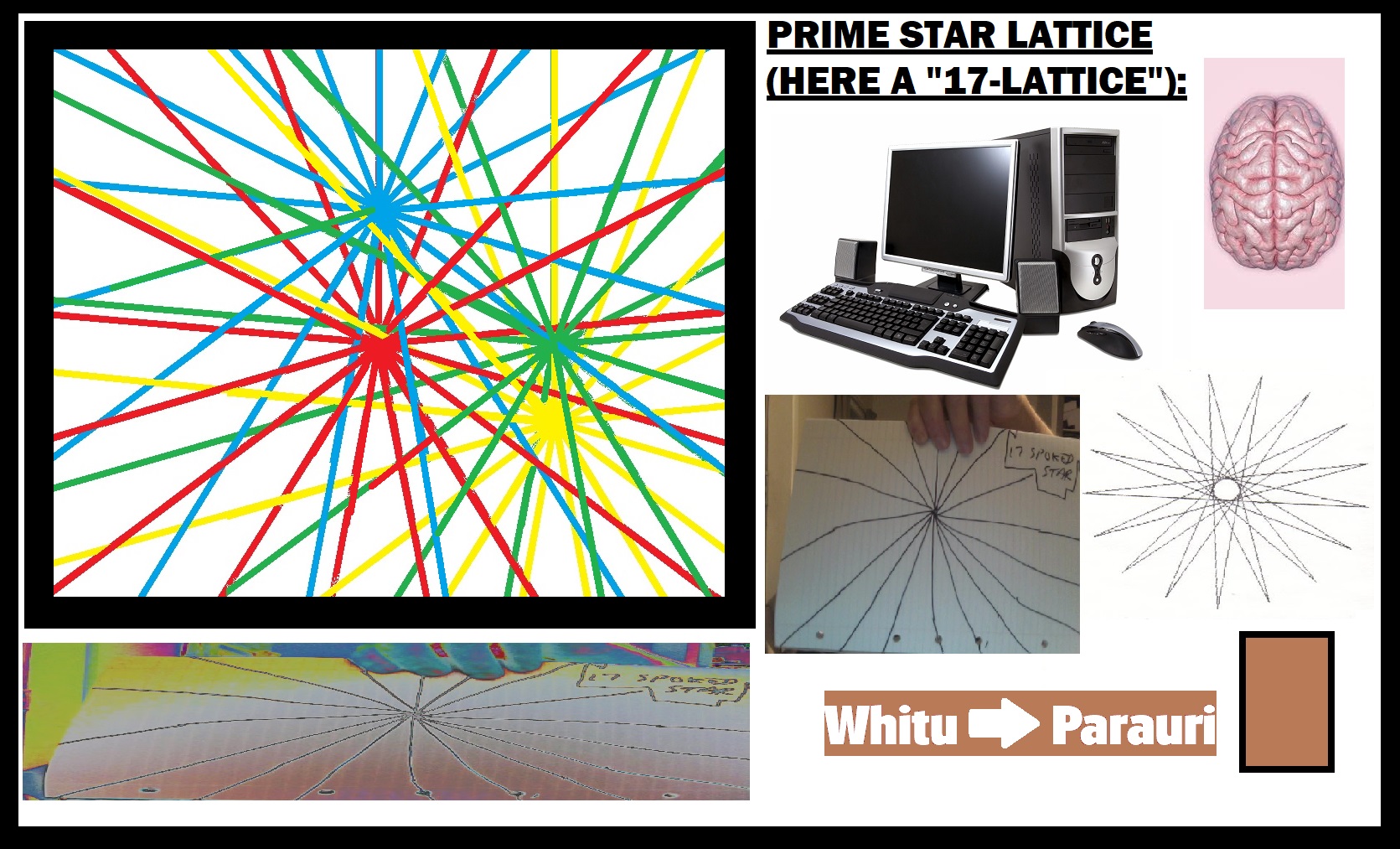
I have often wonder what sort of “system-resistances” that we’d get if we were to place resistors of a Ohms, b Ohms, c Ohms…etc…z Ohms onto the matrix, tensor, tracktrixes, traxors, extended-yin-yang object, overlapping-squares-and-triangles, prime lattices, polygrams, superblocks, etc… specific zero dimensional, one dimensional, two dimensional, three dimensional, four dimensional…etc…part’s epi-centers/centers would create.
Also, what Ohmage/size/magnitude of resistor(s) would I have to use on a Tapawha-matrix higher operator/higher operator stack, and/or a tracktrixes, and these mathematical objects zero dimensional, one dimensional, two dimensional, three dimensional, four dimensional…etc…epi-centers/centers such that the TOTAL SYSTEM RESISTANCE of these mathematical objects would be equal to the size of the number that they represent, especially, if I placed maximal and minimal parametric restrictions upon these resistors resistance/Ohmage, and is it is ever possible for to have, a total system resistance with these restrictions, which is equal to the numerical value that they represent?
I do know of a Website by a very clever and creative bloke called Robert Munafo, who speaks of arbitrary number classes, and I thought of one way of utilizing these.
Here I can give the arbitrary number classes, and a bit of a text description.
Arbitrary Number Class: Class-0,
Number’s ACTUAL Size: 0—>6,
Arbitrary Number Class: Class-1,
Number’s ACTUAL Size: 6—>10^6,
Arbitrary Number Class: Class-2,
Number’s ACTUAL Size: 10^6—>10^(10^6),
Arbitrary Number Class: Class-3,
Number’s ACTUAL Size: 10^(10^6)—>10^(10^(10^6)),
Arbitrary Number Class: Class-4,
Number’s ACTUAL Size: 10^(10^(10^6))—>10^(10^(10^(10^6))),
Arbitrary Number Class: Class-5,
Number’s ACTUAL Size: 10^(10^(10^(10^6)))—>10^(10^(10^(10^(10^6)))),
Arbitrary Number Class: Class-6,
Number’s ACTUAL Size: 10^(10^(10^(10^(10^6))))—>10^(10^(10^(10^(10^(10^6))))),
Arbitrary Number Class: Class-7,
Number’s ACTUAL Size:10^(10^(10^(10^(10^(10^6)))))—>10[4]10 (or ten “tetrated to the ten”),
Arbitrary Number Class: Class-8,
Number’s ACTUAL Size:10[4]10—>10[5]10 (or ten “pentated to the ten”),
Arbitrary Number Class: Class-8,
Number’s ACTUAL Size:10[5]10—>10[6]10 (or ten “hexated to the ten”),
Arbitrary Number Class: Class-9,
Number’s ACTUAL Size:10[6]10—>10[7]10 (or ten “septated to the ten”),
Arbitrary Number Class: Class-10,
Number’s ACTUAL Size:10[7]10—>10[8]10 (or ten “octatated to the ten”),
Arbitrary Number Class: Class-11,
Number’s ACTUAL Size:10[8]10—>10[9]10 (or ten “nonated to the ten”),
Arbitrary Number Class: Class-12,
Number’s ACTUAL Size:10[9]10—>10[10]10 (or, -a “FULL triadic operator tracktrixes which is full of tens”, or the decated to the ten),
Next, we make a nine trell tracktrixes, which is simply a process of placing the WHOLE formula into each of the cells of the triadic-formula/three trell tracktrixes, here:
Arbitrary Number Class: Class-13,
Number’s ACTUAL Size:10[10]10[10[10]10]10[10]10—>Class-14 size
Next, we make a twenty seven trell tracktrixes, which is simply a process of placing the WHOLE formula into each of the cells of the triadic-formula/three trell tracktrixes, here:
Arbitrary Number Class: Class-14,
Number’s ACTUAL Size:10[10]10[10[10]10]10[10]10[10[10]10[10[10]10]10[10]10]10[10]10[10[10]10]10[10]10—>Class-15 size
And…
For class-15 the number size we use between a 3^4 trell tracktrixe full of tens and a 3^5 trell tracktrixe full of tens,
And…
For class-16 the number size we use between a 3^5 trell tracktrixe full of tens and a 3^6 trell tracktrixe full of tens,
And…
For class-17 the number size we use between a 3^6 trell tracktrixe full of tens and a 3^7 trell tracktrixe full of tens,
And…
For class-18 the number size we use between a 3^7 trell tracktrixe full of tens and a 3^8 trell tracktrixe full of tens,
And…
For class-19 the number size we use between a 3^8 trell tracktrixe full of tens and a 3^9 trell tracktrixe full of tens,
And…
For class-20 the number size we use between a 3^9 trell tracktrixe full of tens and a 3^10 trell tracktrixe full of tens.
Now, in order to go higher still, we have to introduce the concept of crossed arrows and higher dimensional crossed arrow arrays.
Here, I can replace the operators with small arrows, and sitting atop these arrows is a number, by which 1 on top of the arrow represents addition, two on top of the arrow represents multiplication, three on top of the arrow resents exponentiation, four on top of the arrow represent tetration or a “power tower”, and five on top of the arrow represents pentation or a tower of tetration operators.
Now, it can be seen, that I can quite easily place arrows on top of arrows, so something like a[b-up arrow[b-up arrow[b-up arrow<—…d-many times…—>]]]]…]c,
Could be seen as a crossed up arrows, with a small d by the arow cross’s lower-right hand side.
And, if I then, -place, (yes, indeed, place) the WHOLE FORMULA recursively into the place of d, recursively e-many times, then I can have a double crossed arrow, and, by the top cross can be the letter d, and by the bottom cross can be the letter e.
Then d and e can be recursively replaced with the WHOLE FORMULA, f-many times, giving a triple crossed arrow, with d written next to the top arrow cross, e written next to the middle arrow cross, and f written next to the bottom arrow cross.
Clas-21 numbers are numbers which are a size (albeit still a finite integer) between tracktrixe full of tens and a 3^10 trell tracktrixe full of tens, and a ten-times crossed arrow, with the
variables a, b, c, d, e, f, g, h, i, j, k, l, n and m.
And, here, we have the start of a very short one dimensional array of crossed arrows.
Class-21 numbers have a number written on the very top/apex up arrow as to all, higher dimensional arrays and number classes, and Class-22 numbers are between the size of a Class-21 number and a two dimensional arrays of crossed arrows, or one dimensional arrays, the size of which is designating the numbers of crosses in a one dimensional array of crosses, the size of which is designating the numbers of crosses in a one dimensional array of crosses, the size of which is designating the numbers of crosses in a one dimensional array of crosses, …etc… and are two dimensional in nature.
Class-23 numbers are between two and three dimensional arrays of crossed arrows, Class-24 numbers are between three and four dimensional arrays of crossed arrows, Class-25 numbers are between four five dimensional arrays of crossed arrows, Class-26 numbers are between five and six dimensional arrays of crossed arrows, Class-27 numbers are between six and seven dimensional arrays of crossed arrows, Class-28 numbers are between seven and eight dimensional arrays of crossed arrows, Class-29 numbers are between eight and nine dimensional arrays of crossed arrows, and Class-30 numbers are between nine and ten dimensional arrays of crossed arrows, and Class-31 numbers are ten dimensional arrays of crossed arrows.
Then we can have the overall array size and dimension defined in term of other higher dimensional array and sizes, -or, namely array sizes and dimensions defining array sizes and dimensions for Class-32 number, array sizes and dimensions defining array sizes and dimensions defining array sizes and dimensions defining for Class-33 numbers…etc…
These are notated X^X (for Class-32 numbers) or X[4]2, and for Class-33 numbers we notated as X^(X^X) or X[4]3….etc.…
And further…
Class-34 numbers are X[4]4, Class-35 numbers are X[4]5, Class-36 numbers are X[4]6, Class-37 numbers are X[4]7, Class-38 numbers are X[4]8, Class-39 numbers are X[4]9, and all the way up to:
Class-40 numbers, which are are X[4]10
What should be realized is, that, for the Class-0 Class-6 numbers, that we used base_10, and an exponent of six, and for all other numbers, we use mostly (but not always) tens.
I want to experiment for to see EXACTLY what size of number that we’d get if ten was replaced with 9, 5, 8, 11, or 23, and if the exponent 6 (in number classes zero to six) was replaced with 4, 7, 8, 5, 11, or 2.
It should be realized that very big numbers behave often counter-intuitively, and their sheer size is hard and very difficult for a non-enhanced human brain-mind to comprehend.
I mean which is ACTIALLY bigger?
2[4]8 or 5[4]7?
By how much?
Which is actually bigger:
2[6]3 or 9[5]7?
By how much?
If I take a set of variables and I place them inside a multiple trell tracktrixe, and compare these to another set of variables and I place them inside another multiple trell tracktrixe,
which permutations of these trells, and altered irregular trells structures is smallest, intermediate and bigger to biggest?
Can they be ranked easily and efficiently.
If I have a number 23[198]2383917-2, is it prime, an if I lay out, and write out the number COMPLEYELY AND IN FULL, with ALL it’s Indio-Arabic digits, and, then, I try an access along the pth percentage way from the left hand side or the right hand side of these completely written out number’s digits, what the hundred percent correct digit number is in base b, for example, I might select the 78.174 percent way digit from the right, in base_19, and then try and find a practical, relatively fast-and-easy way to prove the EXACT VALUE of that digit of this particular number, namely:
23[198]2383917-2.
I mean, IS there really, even anyway to do this relatively quickly and easily?
Some numbers are so big, that their specific and actual size has to be proved in a proof of the size of which is described of a number in a specialized notation.
I call these meta-1 size numbers.
Some numbers are so big, that their specific and actual size has to be proved in a proof of the size of a number in a specialized notation, the size of which has to be b proved in a proof of the size of a number in a specialized notation.
I call these meta-2 size numbers.
Some numbers are so big, that their specific and actual size has to be proved in a proof of the size of a number in a specialized notation, the size of which has to be b proved in a proof of the size of a number in a specialized notation, the size of which has to be b proved in a proof of the size of a number in a specialized notation.
I call these meta-3 size numbers…etc…
What should be realized about these numbers, like class 29 numbers, class 34 numbers, class 119 numbers, -or class-216278917 numbers (etc..,.), –is that whilst these numbers are very, very, VERY, VERY, big, they are NOT infinite.
I must also make it obvious to you, that “”so called” “BIG numbers”‘ like the Moser can be rendered and noted with a single crossed arrow, with the formula:
a[[b-up arrow]_Crossed with d]c where a=2, c=d, b=5 and d=2, and numbers like Graham’s number, can be notated also with that single crossed arrow four variable formula, where:
a=3, c=3, b=6 and d=64.
These numbers are STILL FINITE.
There are even bigger numbers, like the numbers produced by TREE() function and Simple-Sub-Cubic-Graph (or SSG() functions), which are meta numbers, and the TREE function numbers is believed to be in the reals of X[4]187000 as an EXTREMELY weak lower bound, and could be described as a Meta-1 size number, whereas SSG(3) is far bigger that TREE(TREE(TREE…<—TREE-MANY TIMES—>…TREE(TREE(TREE()))))…).
However, none of these number functions even get ANYWHERE NEAR THE near the “Busy-Beaver” function, which grows faster than ANY POSSIBLE computable function.
I have a sneaky intuitive hunch that BB(30) is below TREE(30), but BB(31) far, FAR surpasses TREE(31), and SSG(35) is above BB(35) in terms of size, but BB(36) far, FAR surpassed SSG(36), but then I’d be guessing.
I have often wondered EXACTLY WHAT my “Paul Erdos Number” is!
What are other people’s Sarn Richard Ursell numbers?
Anyway, with these very big, albeit arbitrary number classes, I have often wonder if we can interpolate between the number classes for to find non-integer number classes, or extrapolate onwards and upwards, but/however still following the arbitrary big number classes pattern for Class-0, Class-1, Class-2, Class-3…etc… number classes, all the way up to Class-100, Class-1000, Class-192837838383, Class-7439282878338389393939 and higher etc…
Perhaps these very big, and arbitrarily classified number class would be the sort of numbers that you’d get with multiple-higher-state, multiple-higher-colored, multiple-higher-dimensional, multiple-level-recursively defined Busy Beaver Turing machines, which had these variables recursively placed into each other, and had a certain specific set of rules, for as to what dimensional parts of the digitized-blobs-of-colored cells that they were made of could touch the other/what dimensional parts of the digitized-blobs-of-colored cells that they were made of…
Perhaps we could have n-dimensional-n-tetrahedral-celled-Turing machines with
recursively defined higher numbers of colors, dimensions, states, or overlapping-and-irregular n-tetrahedrons/n-cubes-or-prime-lattices… with really weird rules for the Turin machines movement.
You can, in fact, also do mathematics with these arbitrary number, classes, an when I spoke above of interpolating the number classes, I mean can I define:
(Class-a[k]Class-b)[k+1](1/2), or (Class-a[k]Class-b)[1/(k+1)](2)approximately = Class-a+0.5 or Class-b+0.5…,
Or//
(Class-a + Class-b)/2=Class-((a+b)/2).
Please also consider:
Class-a[Class-c]Class-b approximately = Class-(a[b]c).
Here, we want we also need to define non-integer arbitrary classes of very big numbers, by interpolating, much, MUCH bigger number classes for Class-k, and also negative, complex, hyper-complex, octonion, matrix, 3-tensor, 4-tensor, 5-tensor…k-tensor classes for various sizes, dimensions, states and wildly different and crazy parameters!!
Here I can define a special three state algebra, where by:
x^E=+, x^O=+/-, and x^P=w,
Where;
x is the unknown,
E are the even numbers,
O are the odd numbers,
P are the prime numbers, and here there are two sub-sets of this, one where 2 is treated as a prime, and one where 2 is treated as an even…
and where w is a special weird third state, or “tri-primonion”.
…I can this define 6-many imaginary numbers for these definitions, here:
x^E=w, x^O=w, x^E=+/-, x^P=+/-, and, finally x^P=+, x^O=+, and these are six tri-primonion-imaginary states, which can be gives the symbols:
i_0, i_1, i_2, i_3, i_4, and, i_5.
Thus, there are six types of tri-primonion-imaginary states, which, when combined with three triprimonion states give nine states, and, assumedly, I can define 27-many non-commutative tri-primonion-hyper-complex states, and 81-many-tri-primonion-octonion-equivalent states.
Here I also am thinking of the quasi- or pseudo- p-adic numbers, and their loose relationship to arrow notation, here, with 10-adic numbers:
766666…<—d-many times—>…6666[k]3=1,
…and…
999999…<—d-many times—>…9999[k]1=0,
…and, also…
527812…<—d-many times—>…49[k]527812…<n-many times—>…49=1,
If I choose certain parametric values for d, n and the base b, what would k be and how could this relate to these numbers?
Can they be graphed in a four dimensional tracktrixe, here:
y=x[w]z.
I am also intrigued with Lyrhcrel numbers, in all manner of bases, and for really, really, REALLY high bases, bases as big at the arbitrary number classes, class-k which I describe above.
I wish to use and to attempt to find Lychrel numbers for higher operators, like multiplication, exponentiation, tetration, pentation, hexation…n-ation, and to use these numbers and numbers with their digit’s sequence reversed in 3-trell, 9-trell, 27-trell, 81-trell, 243-trell,… (3^k)-trell regular, and (2p+1)-trell irregular tracktrixes tom access if I get Lychrel number/number(s), -when I use multiplication, exponents, tetration, pentation, hexation…n-ation or in (2^(3^k))-many regular tracktrixe placements, or (2^(2p+1))-many irregular tracktrixe placements…
I also want to use many, many more Te Reo Māori words in the sciences and ESPECIALLY in mathematics and theoretical physics.
(Theoretical physics is to me quite childish, and this notation of superstrings, it is ALMOST CERTAINLY, -a vast, VAST oversimplification).
I have wondered, exactly what the parametric values of the formula with nine variables would be for this formula:
a[b]c = Class-d[Class-e]Class-f = Class(g[h]i),
And if I have a higher-dimensional-higher-state-higher-color-Busy Beaver Turing machine and it’s inverse, and also an arbitrary big number class (which I give and show above) and it’s inverse, exactly what sort of numbers that I would get if I were to combine the very, very, very, VERY big number functions and their inverses, -here/thus:
C^-1(HSHDHCBBTM(k)),
HSHDHCBBTM(C^-1(k)),
C^-1(HSHDHCBBTM(k)),
HSHDHCBBTM(C^-1(k))
HSHDHCBBTM^-1(C(k))…
And because there are four functions, -these being:
{{C^-1(k), HSHDHCBBTM(k)), HSHDHCBBTM^-1(k), C(k)}, there are sixteen many ways that these can be applied to the number k, but because the higher-state-higher-dimensional-huigher-color-Busty-Beaver-Turing-Machine, (eventually) grows faster than any algorithmically computable function, the functions that it is applied to will eventually fall to smaller numbers or bigger numbers, in effect, the higher-state-higher-dimensional-huigher-color-Busty-Beaver-Turing-Machine function ALWAYS beats the arbitrary very big number class function.
So, does the higher-state-higher-dimensional-higher-color-Busty-Beaver-Turing-Machine beat ANY function?
Well, no.
I mean, the numbers that it is creating are every big, but are finite, and their size can be reduced to something reasonable, or something very large with a tangent/trigonometric function, or an inverse tangent/trigonometric function…
I mention above that for each higher-state-higher-dimensional-huigher-color-Busty-Beaver-Turing-Machine, that -there IS (in fact), a set of rules for as to exactly how to define a digitized glob of higher dimensional touching n-cubes, m-tetrahedrons, (or these two types of (m or n)-cell overlapping, and this can be done with a c-dimensional matrix/tensor, for c-many colors.
This c-dimensional matrix/tensor is associated with each and every higher-state-higher-dimensional-huigher-color-Busty-Beaver-Turing-Machine, and it gives the legality or lack thereof of the touching parts of the higher-state-higher-dimensional-huigher-color-Busty-Beaver-Turing-Machine digitized glob…
What about this matrix/tensor?
The axis of the tensor represent the colors used in the higher-state-higher-dimensional-huigher-color-Busty-Beaver-Turing-Machine digitized blob, and, the axis calibration represents the k-dimensional parts of the c-dimensional digitized color blob, who’s size defined the numbers of printed cells of out higher-state-higher-dimensional-huigher-color-Busty-Beaver-Turing-Machine, and, also, as to what parts of the blob can legally touch other parts.
The legality or lack thereof, -of the c-color-digitized-blob’s parts touching, is represented by a positive one or a zero in the c-cells/c-tetrahedrons/c-hybrid-shapes, so, if for example, I had a three color higher-state-higher-dimensional-huigher-color-Busty-Beaver-Turing-Machine, and I have it working in 17-dimensions with a 234-state higher-state-higher-dimensional-huigher-color-Busty-Beaver-Turing-Machine, I might have ones marked on 7-dimemsnional red, 3d-iemsnioanl blue and 13-dimensional yellow, which means that these parts of the blob can legally touch each other.
Zeros mean that these parts cannot be adjacent tom each other, and the function for higher-state-higher-dimensional-huigher-color-Busty-Beaver-Turing-Machine, has, -three arguments and one output (these being i)State (s), ii)Color (c), and iii)Dimension (d)), each of which, -represents the number of colored d-cubes in the higher-state-higher-dimensional-huigher-color-Busty-Beaver-Turing-Machine digitized blob, and another function represents the number of steps that were needed to create the c-color-digitized blob.
And, so, essentially, -the higher-state-higher-dimensional-huigher-color-Busty-Beaver-Turing-Machine is an extension on the “standard/regular Busy Beaver Turing machine”, and only higher-state-higher-dimensional-huigher-color-Busty-Beaver-Turing-Machines that stop, do not run forever endlessly, or loop endlessly are legal.
So, not only is there the size of the blobs, -in terms of the number of d-dimensional-c-color blobs d-cells made from an s-state higher-state-higher-dimensional-huigher-color-Busty-Beaver-Turing-Machine, but the number of steps used to create it, and also the number of Turing machines of that particular parametric type…
I can apply the arbitrary big number class (which I inverted, an modified for Robert Munafo’s Website) or it’s inverse, the higher-state-higher-dimensional-huigher-color-Busty-Beaver-Turing-Machine or it’s inverse, and also the trigonometric tangent function or it’s inverse, and I can do so, by combining these ten functions recursively, and so there is (10^r)-many ways to define this very, very, VERY big (or very, very, VERY small) number function’s arguments…
…and…
…there are state, color, dimensions, arbitrary big number class definition function, tangent functions (five arguments), and their inversed (now totaling ten arguments), which, as I mention above, can be applied recursively (10^r)-many ways.
Obviously, eight out of these ten functions arguments (arbitrary big number classes and, (of course), -their inverses, higher-state-higher-dimensional-huigher-color-Busty-Beaver-Turing-Machine’s and their arguments and -color/state/dimension, and, (of course) their inverse,, yes, indeed, eight out of then produce very big or very smaller numbers from very big or very small inputs, but only two of this combined functions, only two of their arguments are actually dealing with a hyperbolic natured function, which goes upward and onward, …-and into the infinite!
Dealing with infinite numbers, I do actually know that there is also a hierarchy of infinite, or infinitesimal numbers, becoming ever more intensely endless and infinite, called the “Veblen hierarchy”, starting with w, e_0, e_n, Zeta_0, Zeta_n, Eta_0, Eta_n, Phi_alpha…, and these can be combined to make a strange/odd-ball number system called the Surreal Numbers…
I could go higher but I will not, except to say that there is the ultimate absolute infinity which sues the symbol CAPITAL OMEGA, which I associate with my agnostic belief in God.
I thought about my own special type of infinities, which I do not know if they have been invented yet or not?!
I can suggest that we take a set of mathematical formula, of various degrees of complexity, with various amounts of variables which are numbers or wild-card variables (typically English, Greek or Russian characters, which are wild and stand for ANY NUMBER), and replace one (or more) of these formulae’s variables with symbols, which are supposed to standard for and to represent wild-card infinities, and these specially define infinities, do something to these formulae in the set.
What do they do?
Well, essentially, they distort the formulae’s overall size, such that ordinally speaking, the left most formulae is the smallest infinity, the formula to the right of this (the formulae second to the left) is the next bigger infinity, the formula to the right of this (the formulae third to the left) is the next bigger infinity, the formula to the right of this (the formulae fourth to the left) is the next bigger infinity,… …etc…all the way to the biggest infinity on the right.
These formula are made from a well defined gramma set, and can use the arbitrary classes of numbers that I defined above, and I call them:
“Whakakorikori infinities”, taken from the Te Reo Māori for “distorting infinities”.
Notice that I say that placing r many infinities into r many formula essentially and effectively rank the sizes of infinite in a relative rank, but this is NOT an absolute scale, it tells us that they are successively bigger working from left-to-right,, but what it does NOT tell us, is EXACTLY HOW MUCH bigger these infinites are from each other, and that, (obviously), -would depend on the formulae used!
I have often wondered what the practical application for these arbitrary very large number classes an infinites from the Veblen hierarchy, ACTUALLY ARE, and I suppose that they could model densities an temperatures inside a black hole, or near it’s center, or maybe the temperature and density inside the big bang near t=0.
Perhaps they could model rates of expansion or supernova, hypernova, or the densities and temperatures of neutron stars, quark stars, preon stars, or particle mass, charge, spin, colors, flavors from the Multiverse, or my feelings of love and kindness to dogs and cats.
Here, infinites in the Veblen hierarchy come in all shapes and sizes, and I do actually believe that black holes and singularities are like Cabbage patch dolls, in that no two are alike, and the classification system that current science is using to categorize them into sets is too broad, and that some singularities are denser and hotter than others, and different levels of infinity from the Veblen hierarchy and arbitrary big number classifications must be used to model their physical properties!
Here I can use Cantor’s Alephs defining/creating function (A(k)), for to be combined with the arbitrary very big number classification function (C(k)), and also the higher-state-higher-dimensional-huigher-color-Busty-Beaver-Turing-Machine (B_(s, c, d):(k)), or (B(k)), and these can be applied six many ways, here:
{A(B(C(k)), A(C(B(k)), B(A(C(k)), B(C(A(k)), C(A(B(k)), C(B(A(k))}, and when using their inverses and applying the functions multiple ways, I can define these:
(6^r*d*s*c)-many ways!
Which grow to infinity, and diverge toward it?
Which converge, yes, indeed, converge to a reasonable size?
The mind boggles!
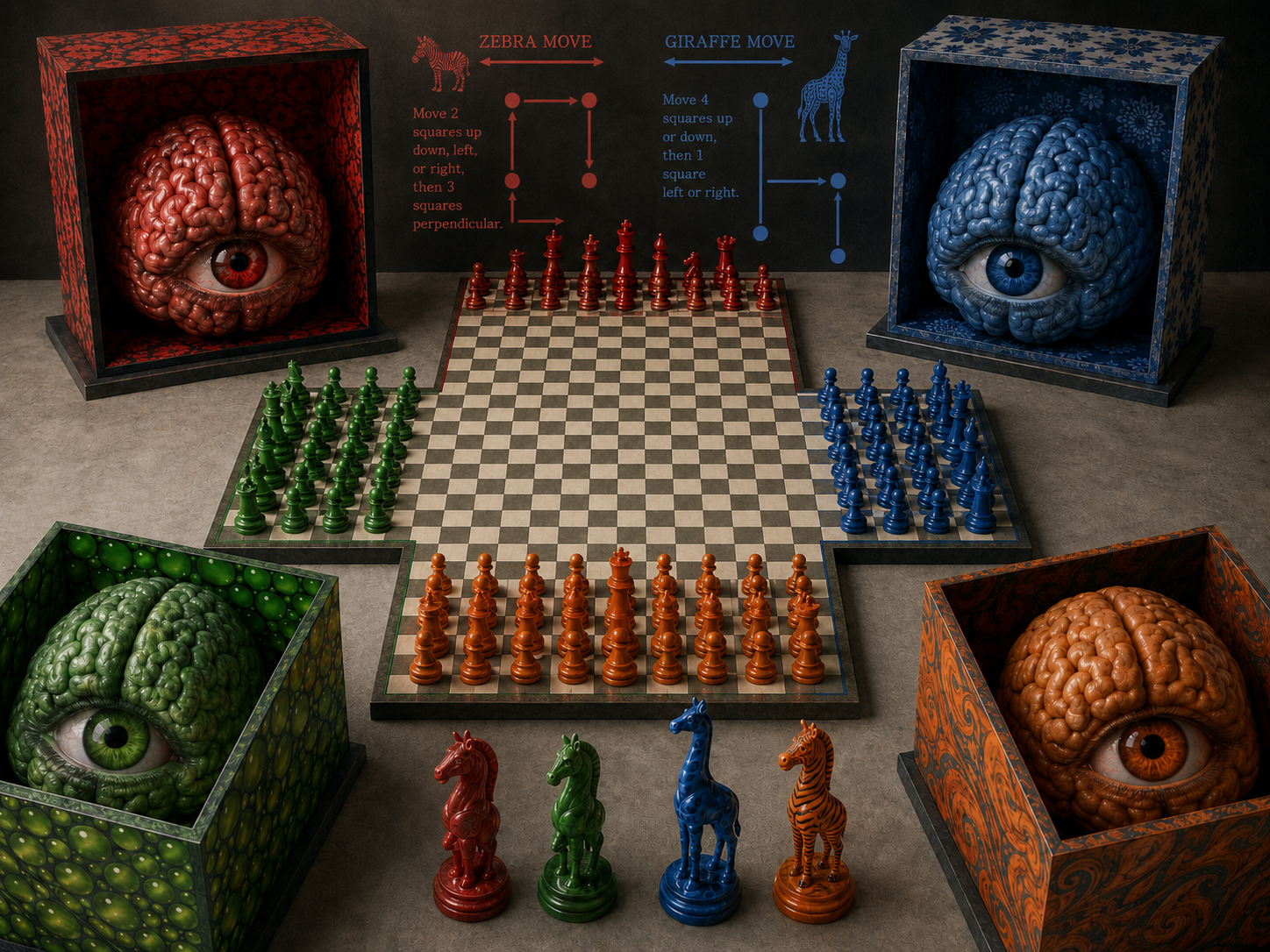
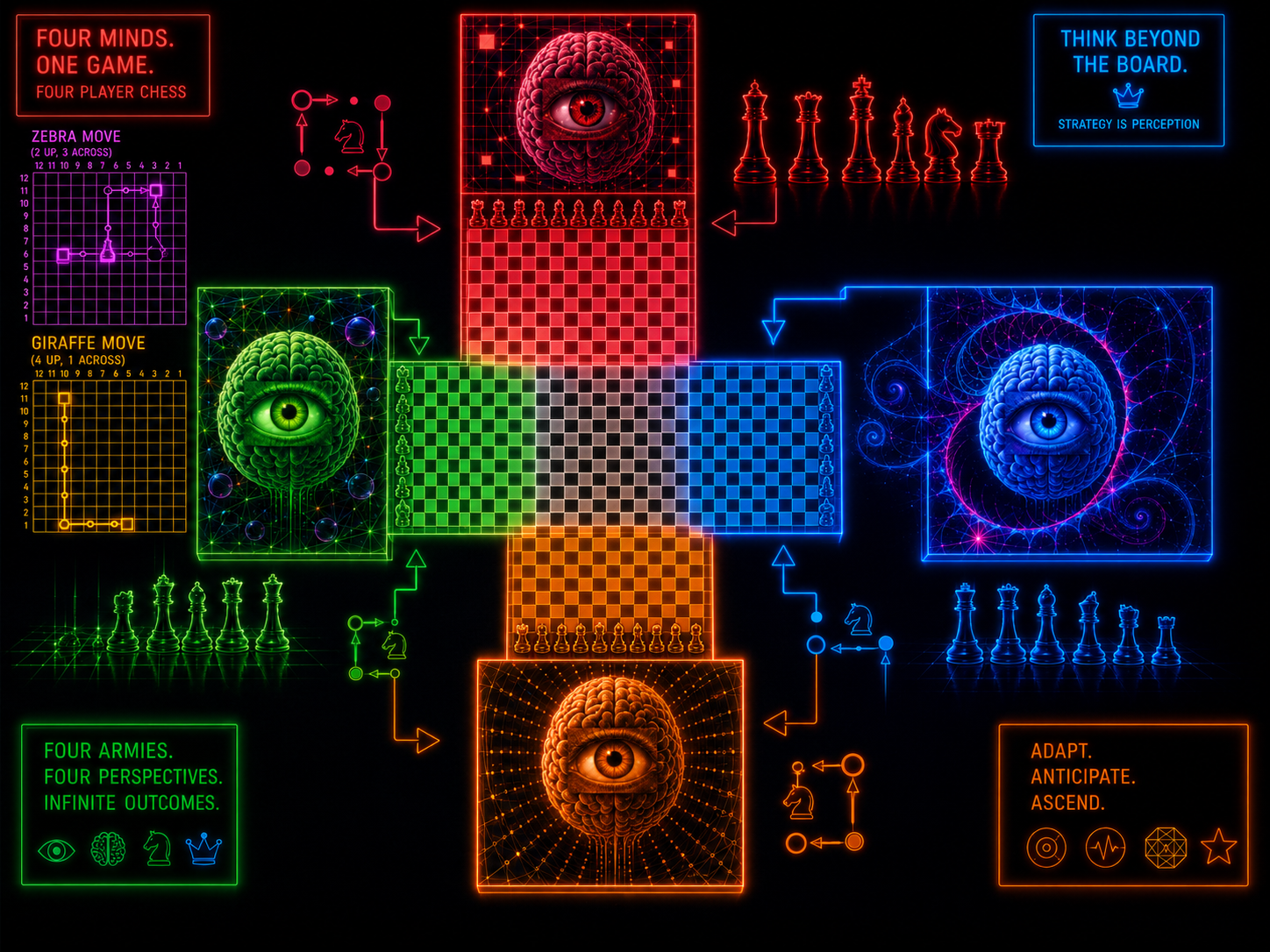
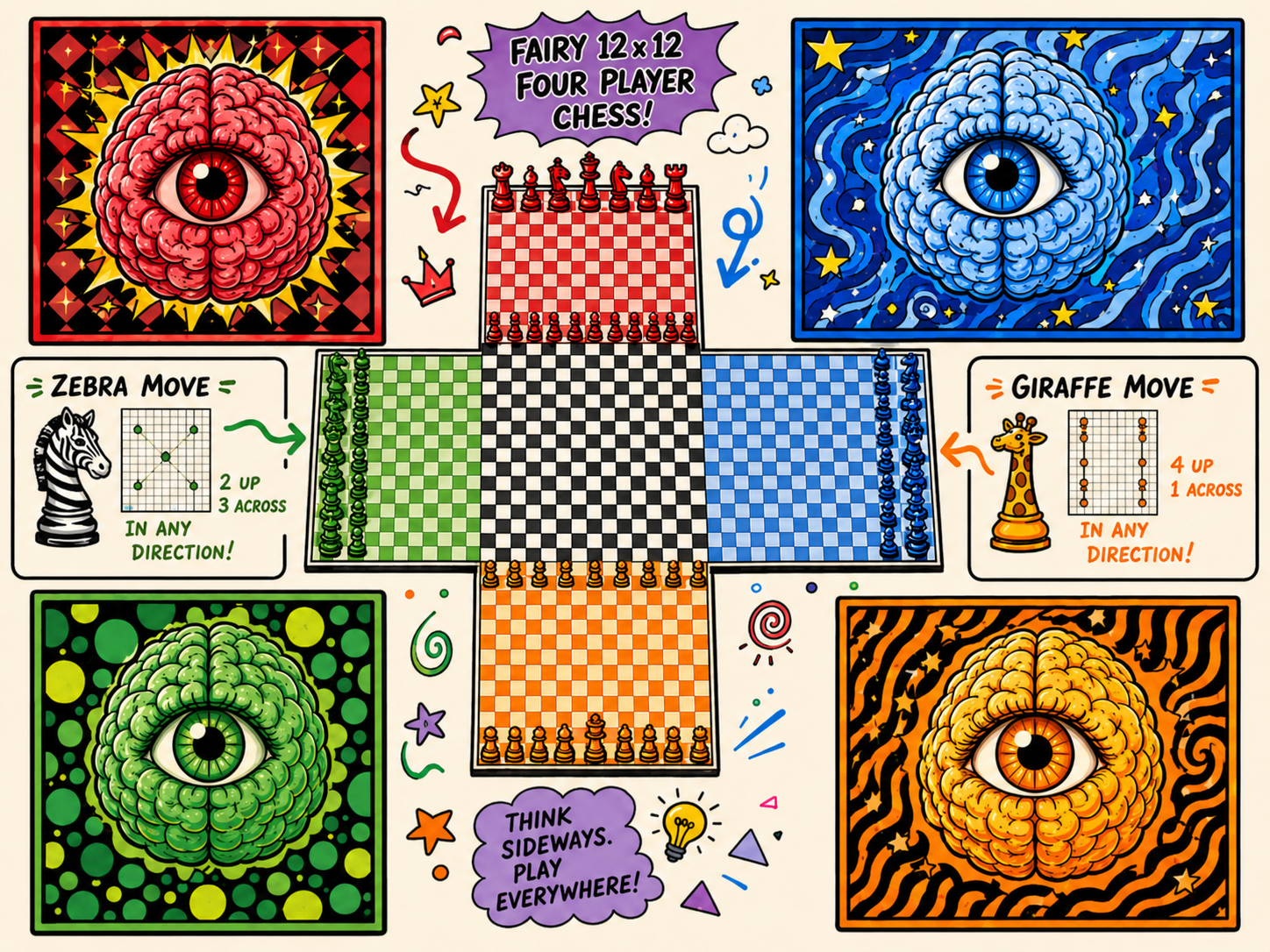
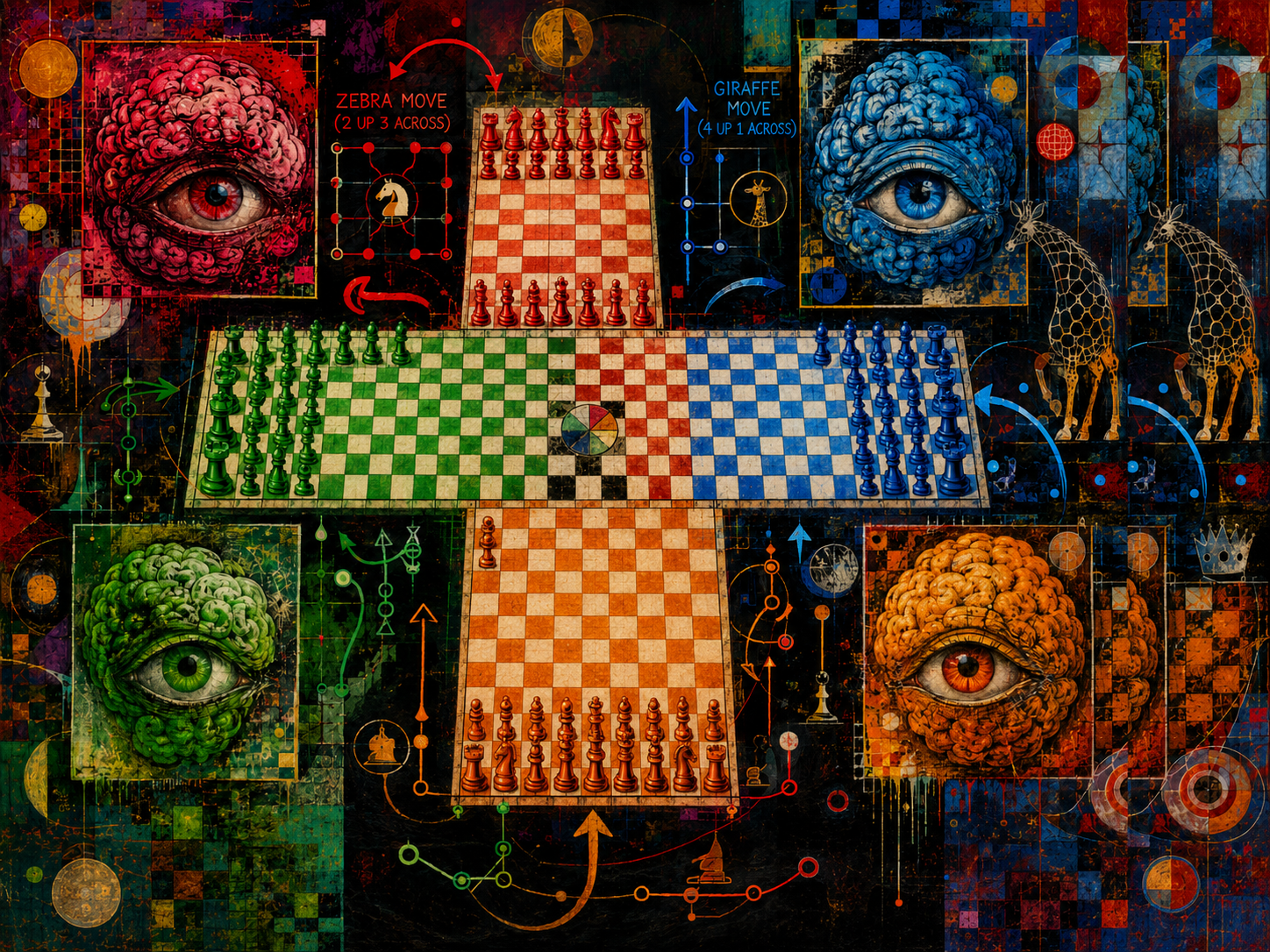
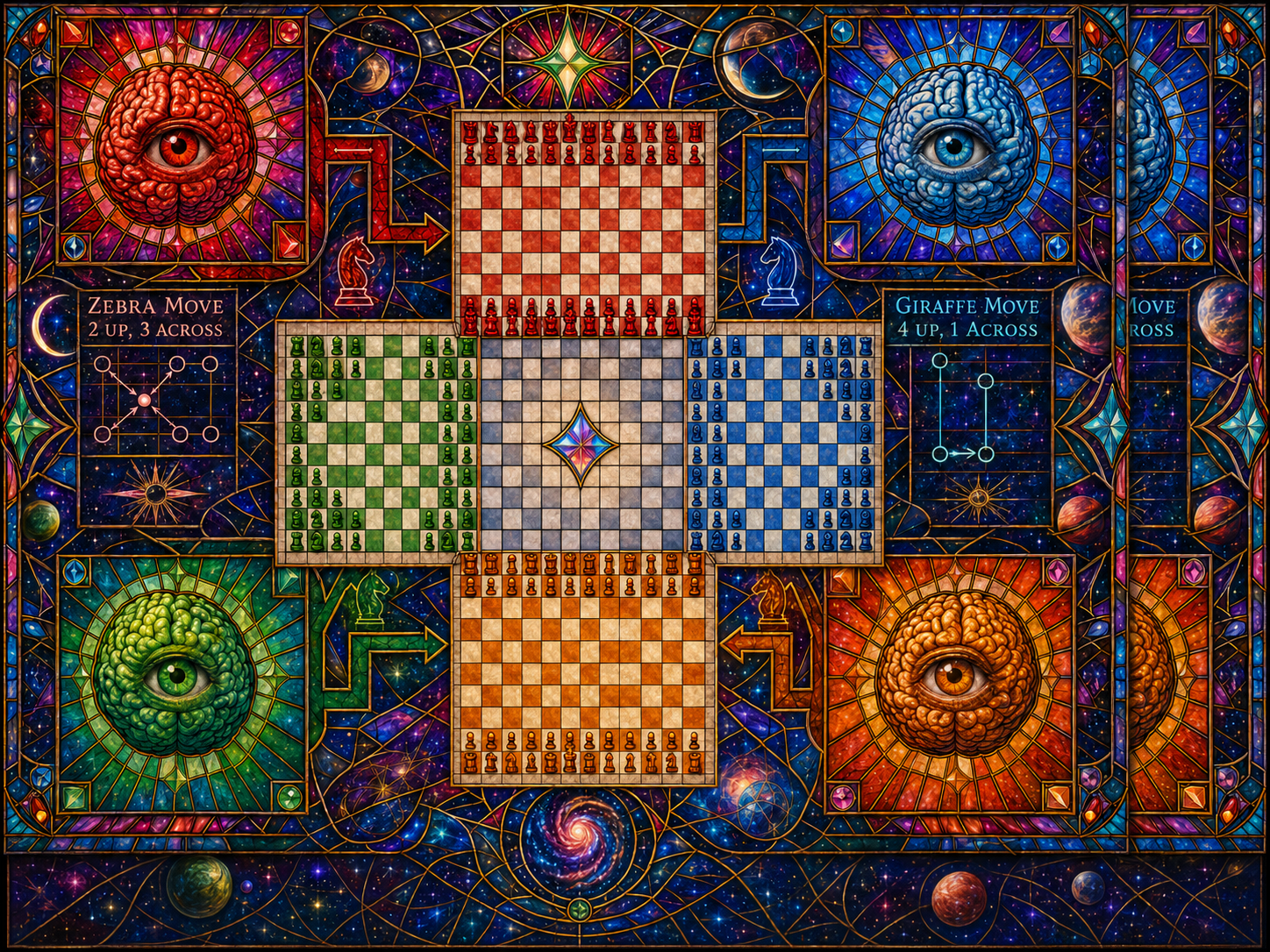
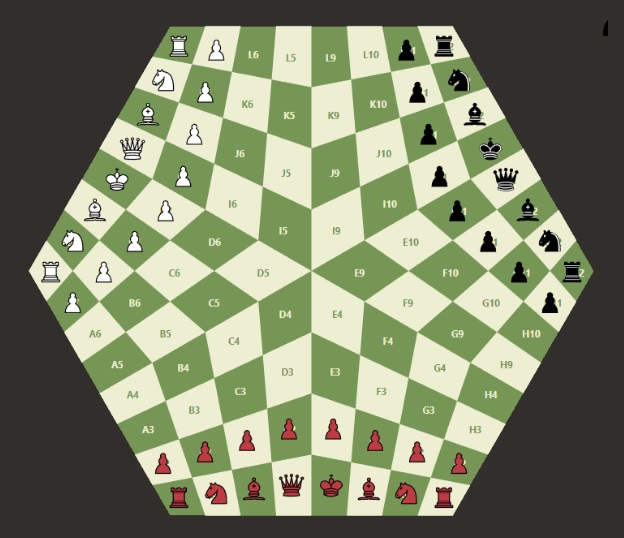
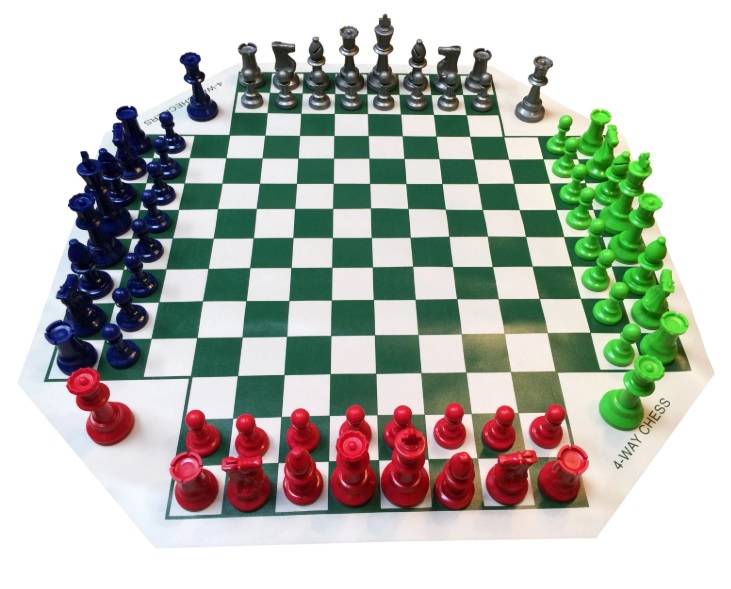
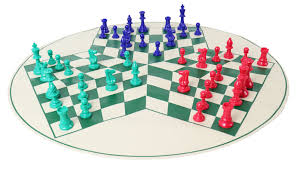
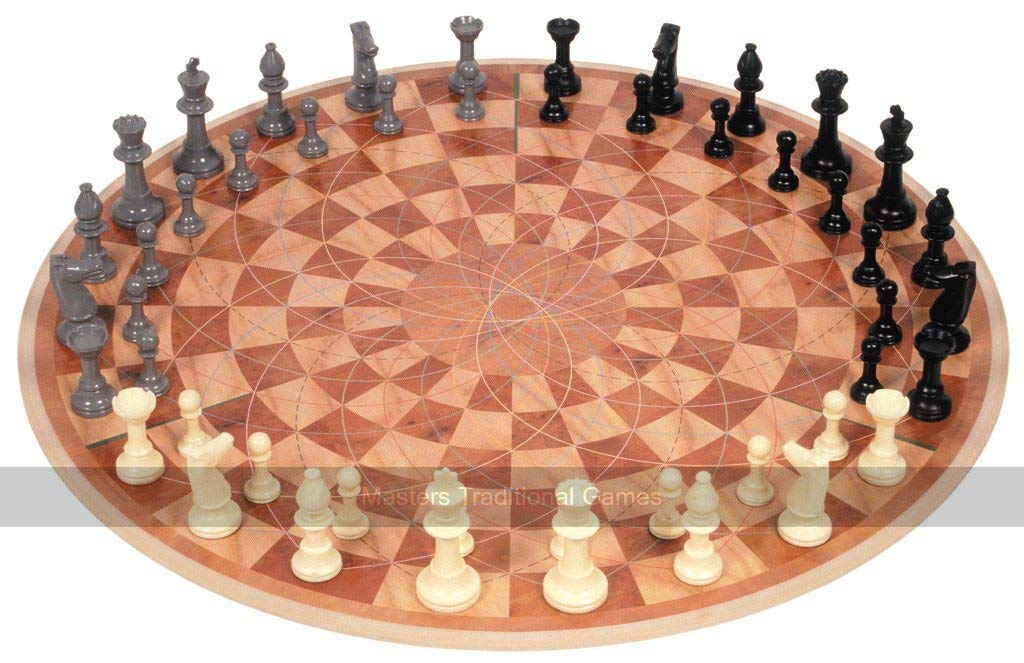
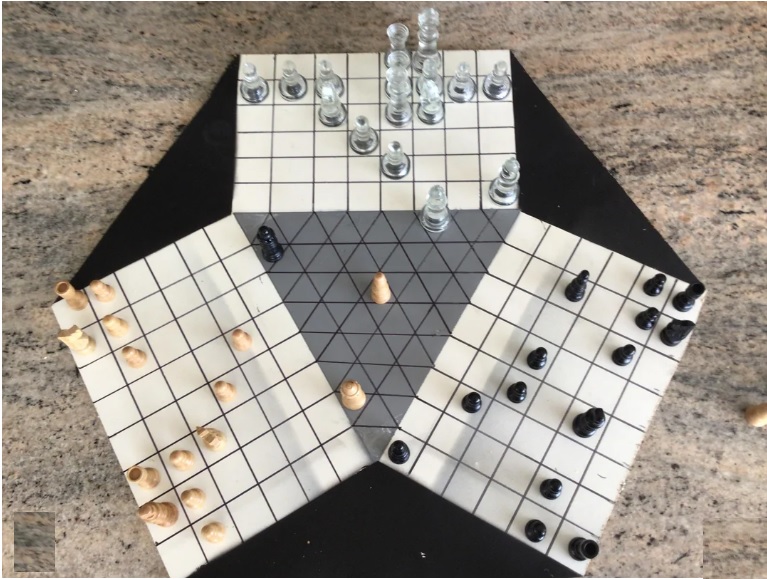
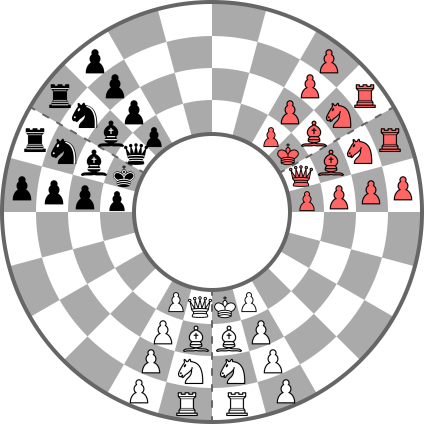
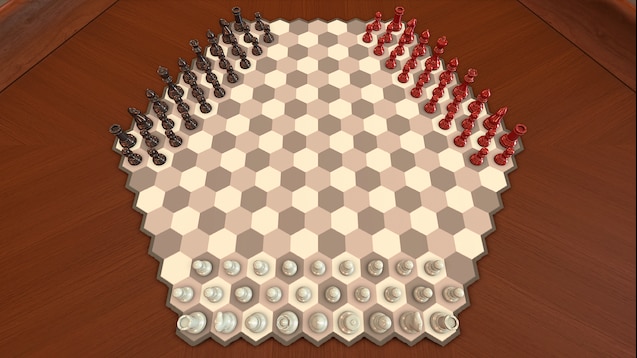
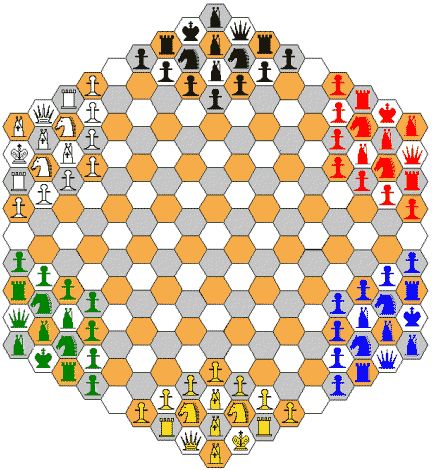
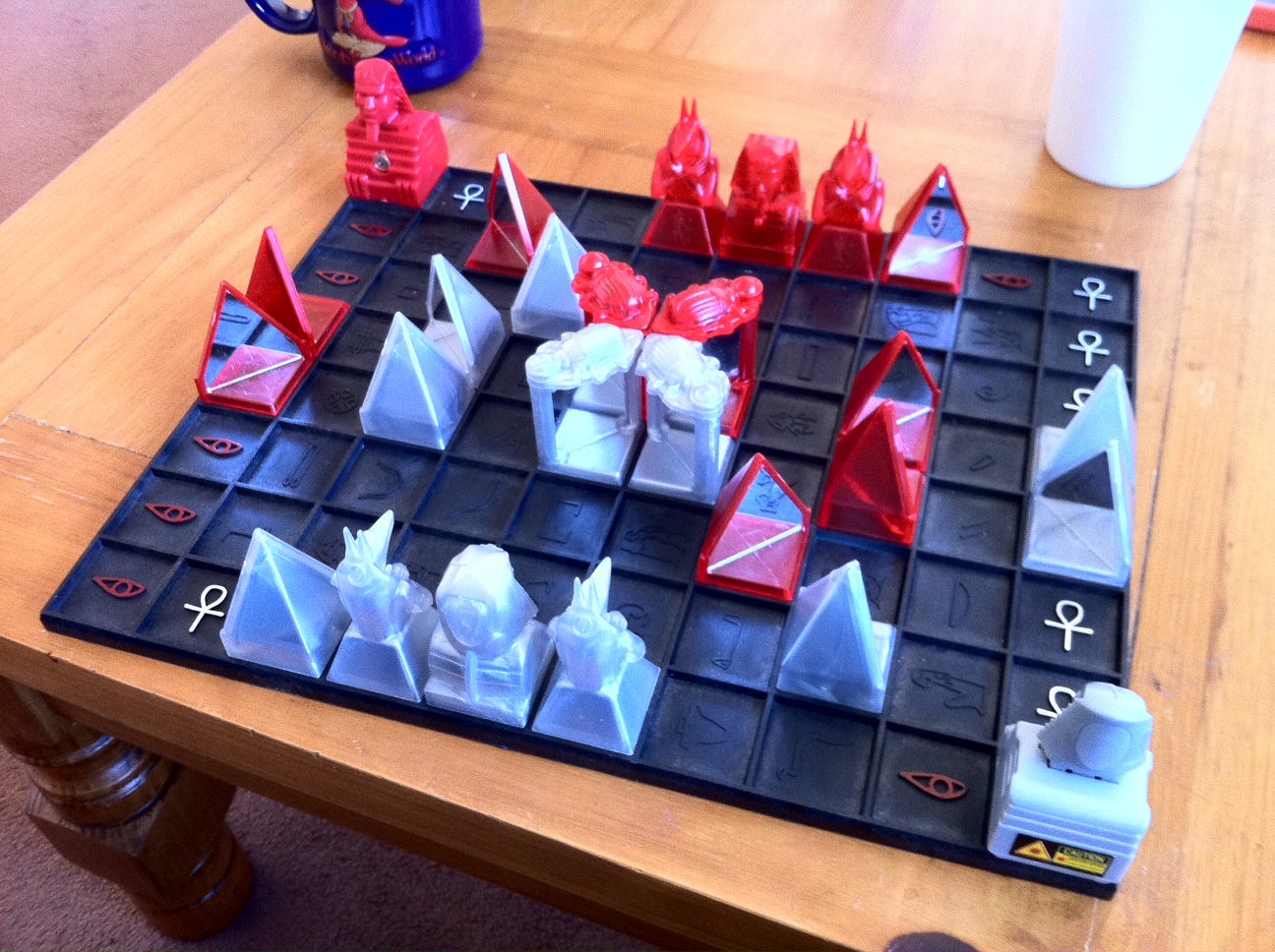
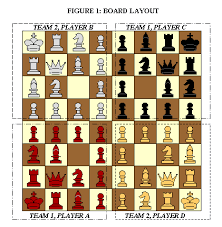
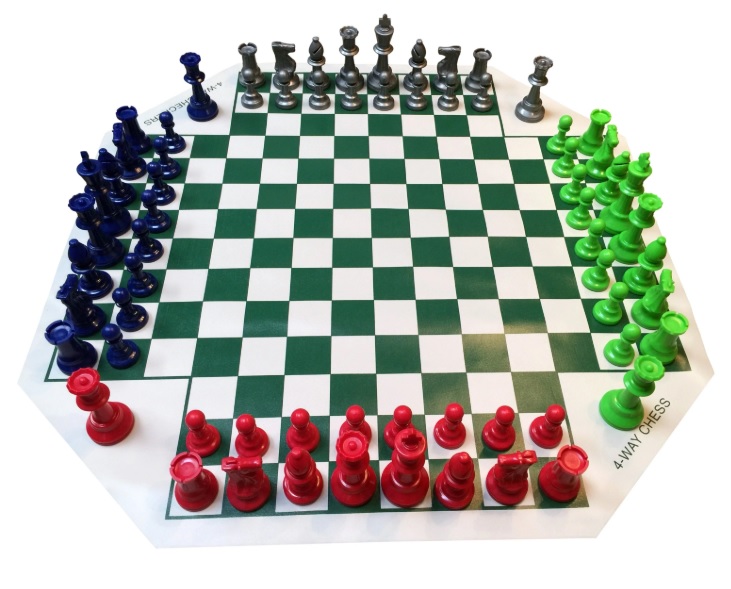
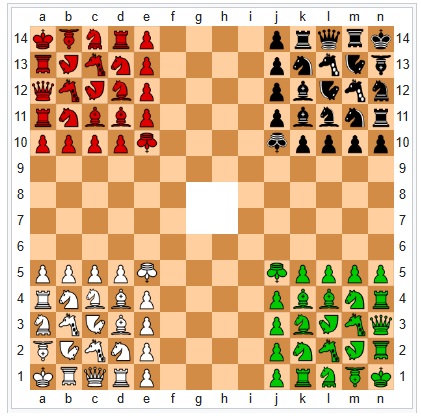
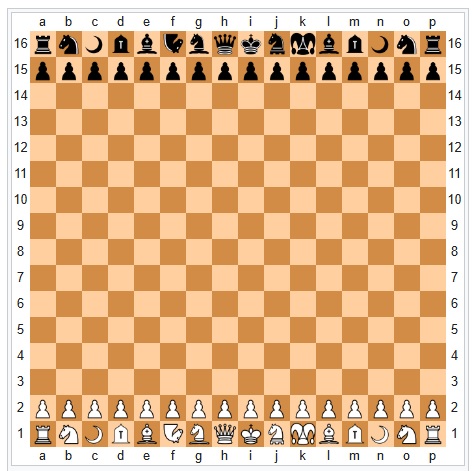
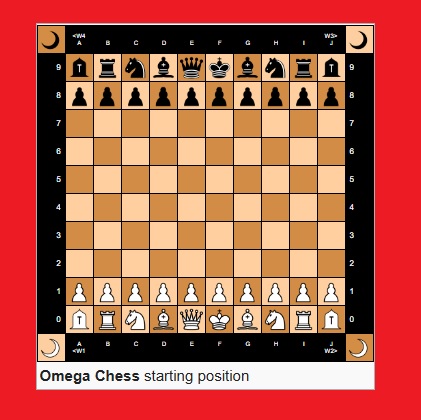
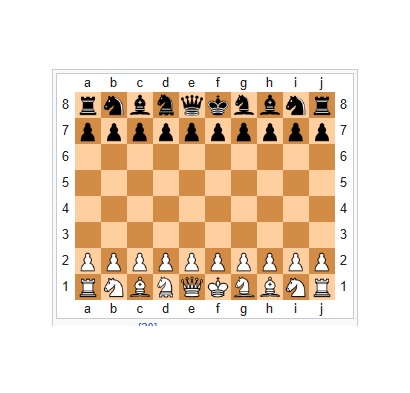
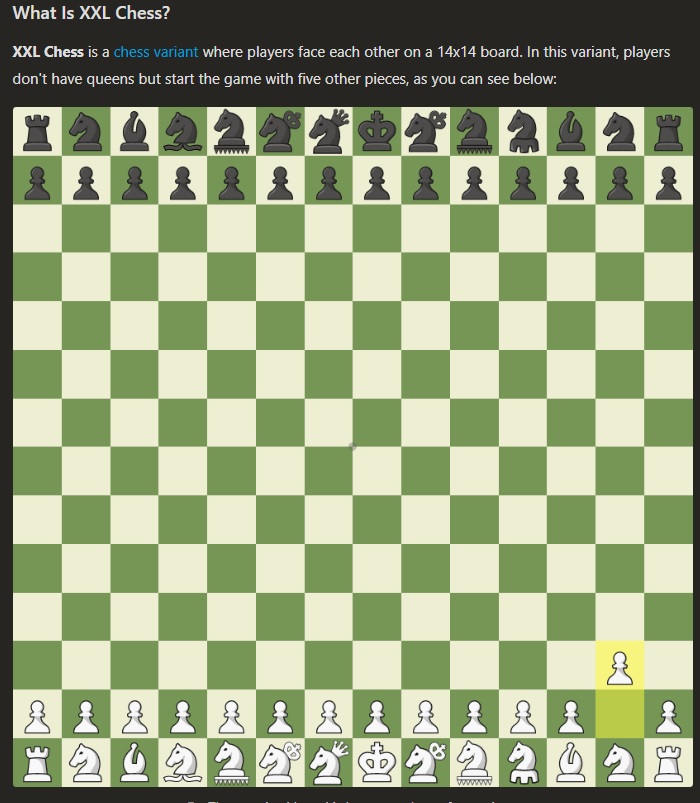
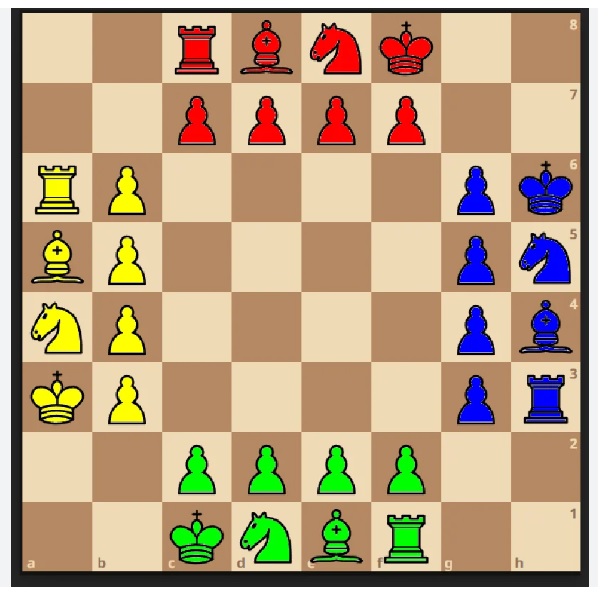
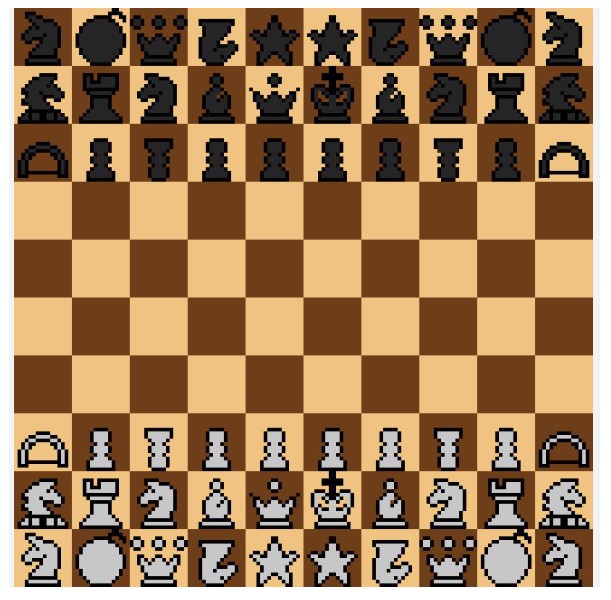
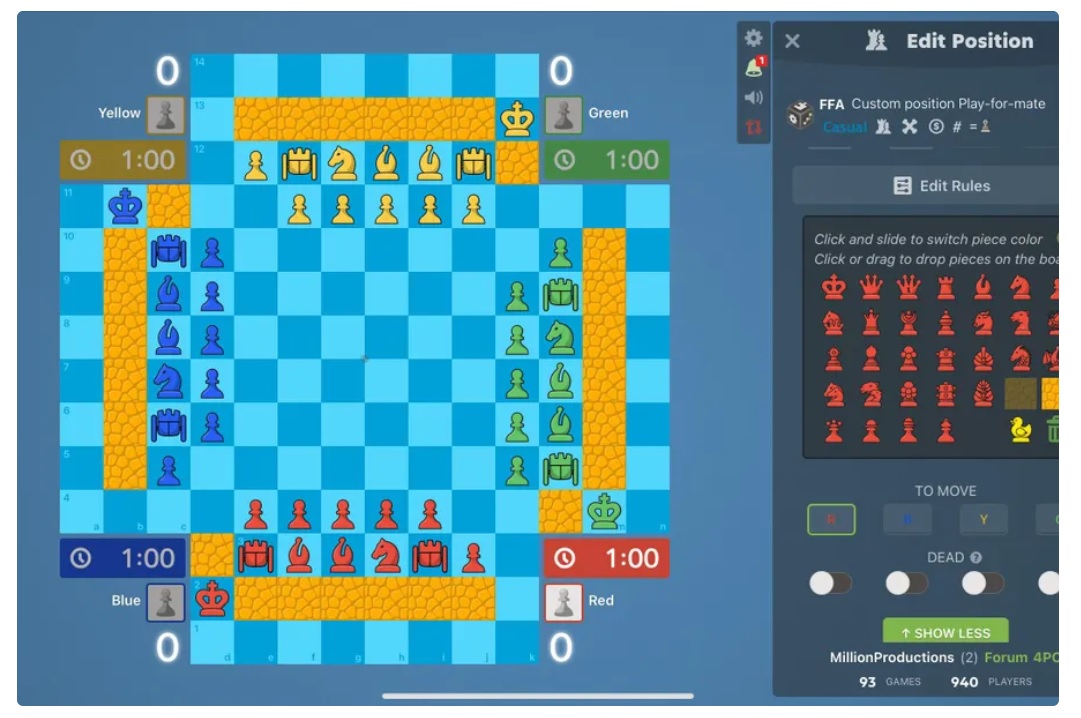
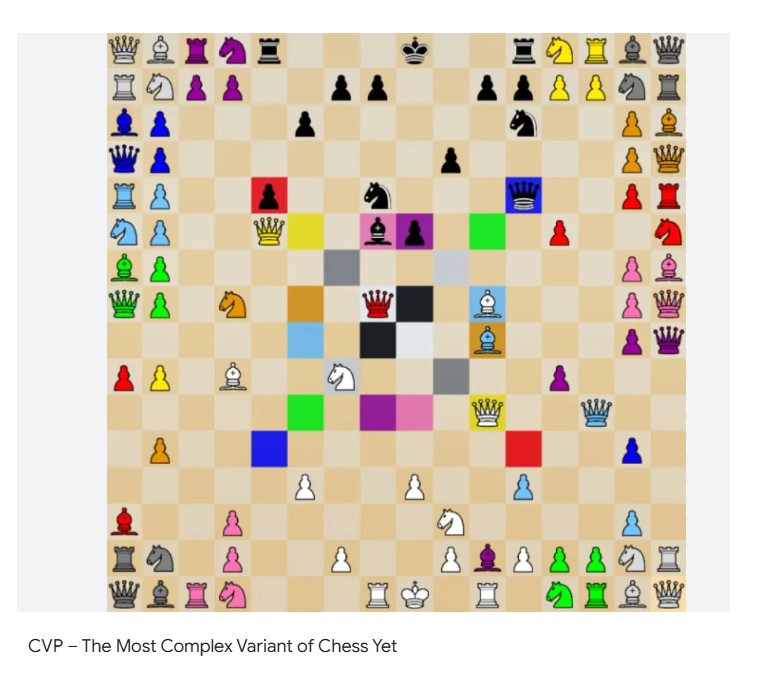
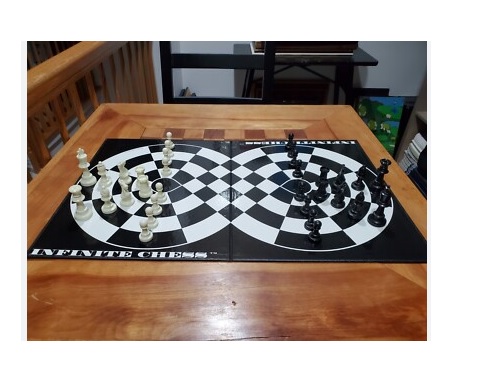
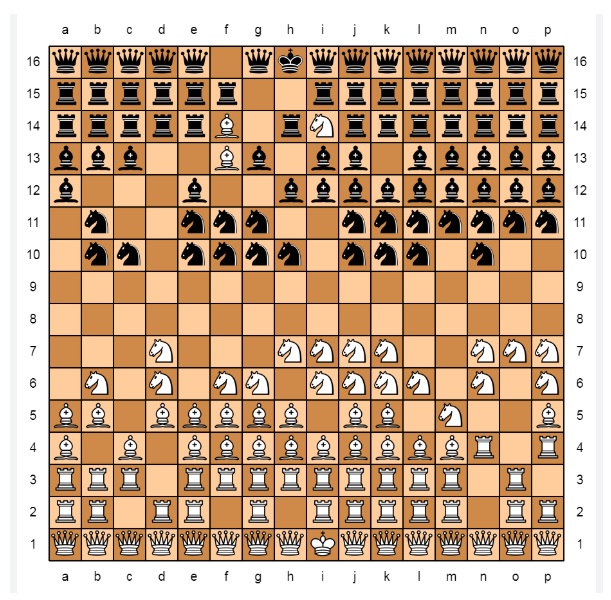
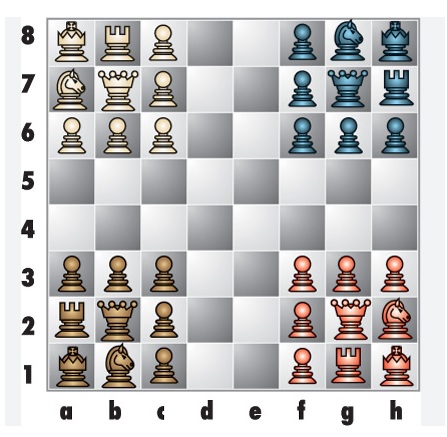
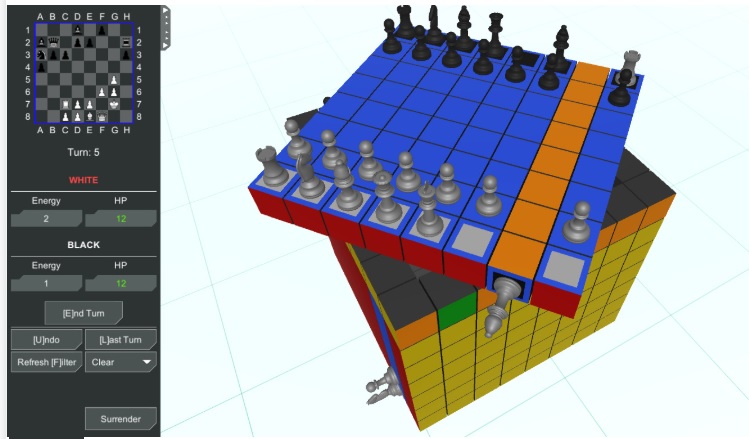
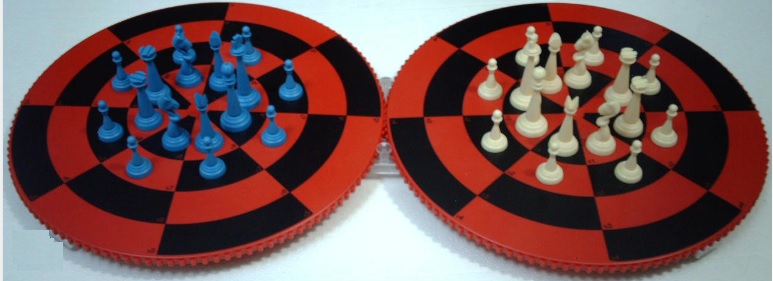
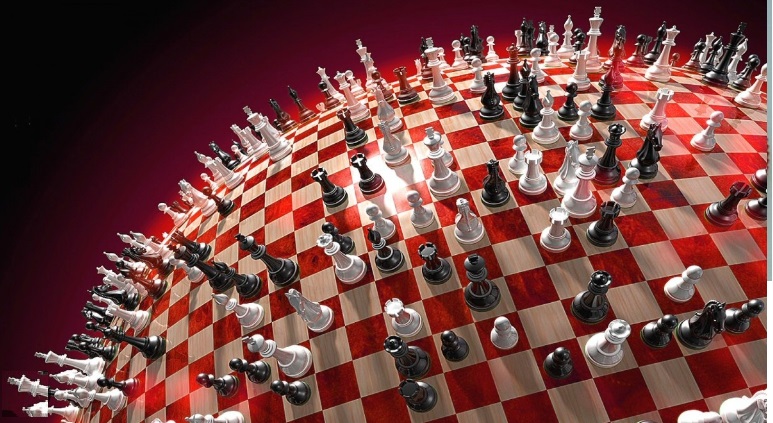
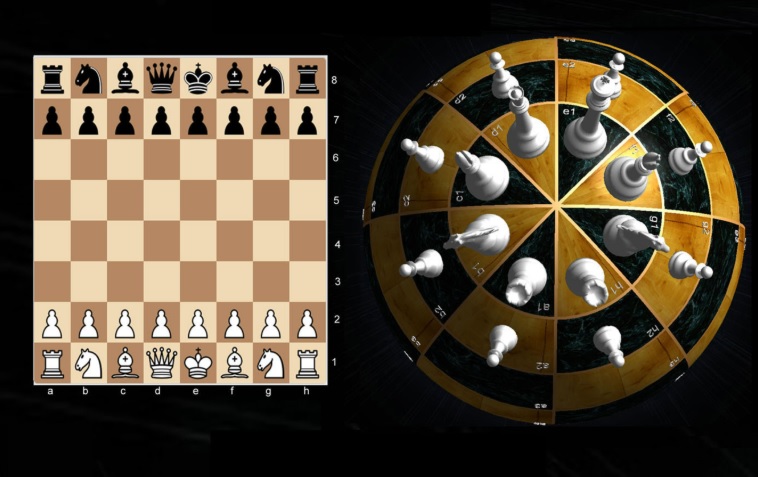
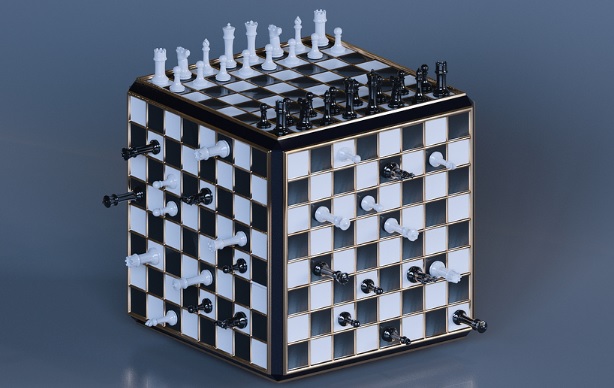
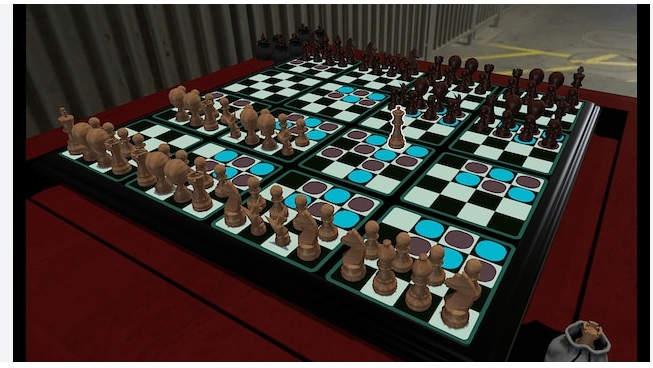
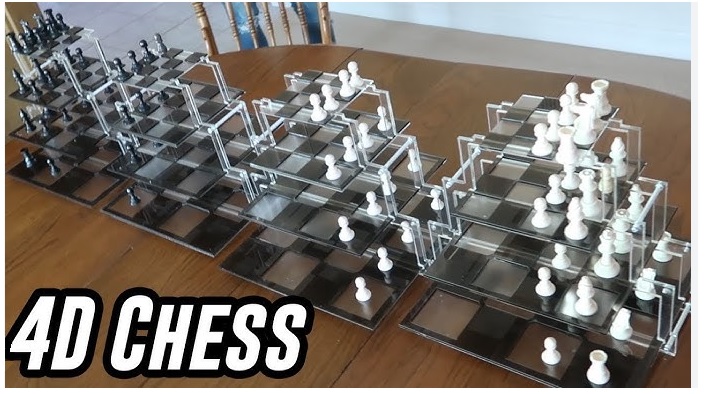
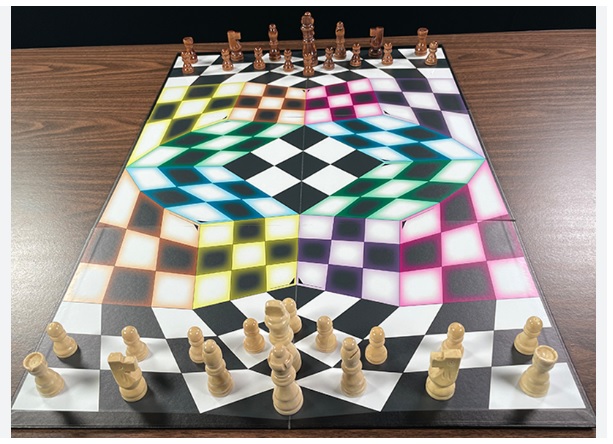
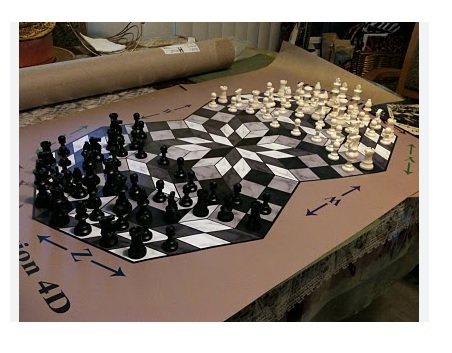
Everyone should try inventing their own pet and personal chess variant!
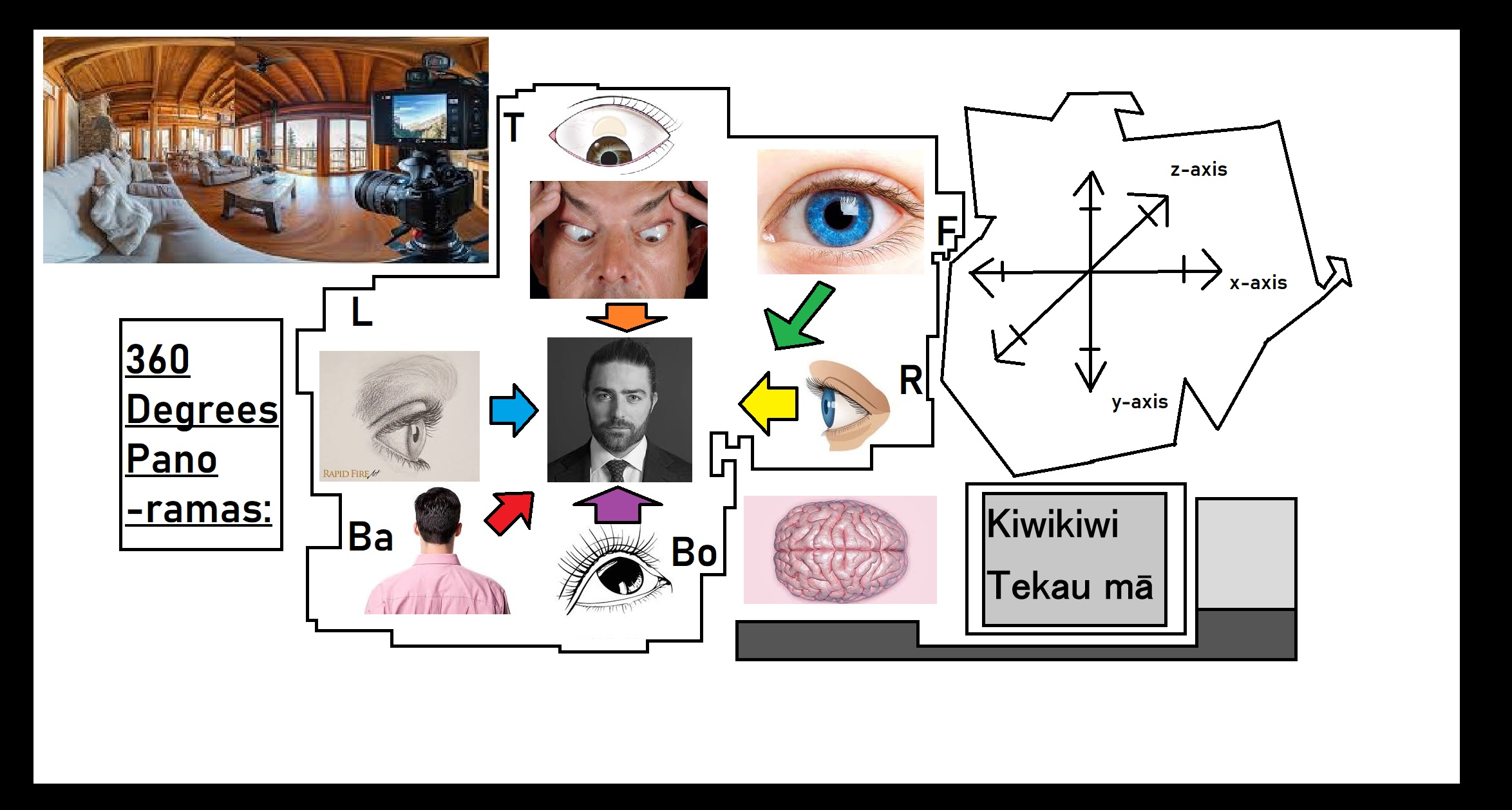
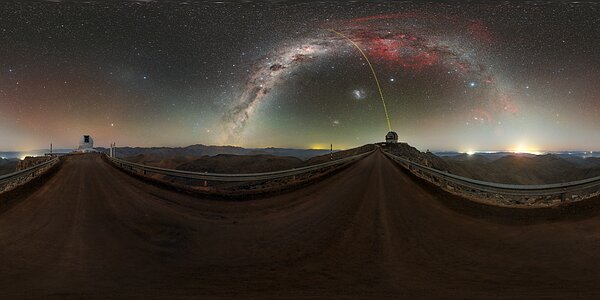
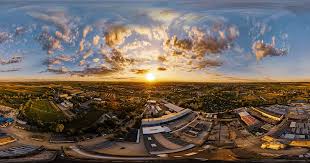
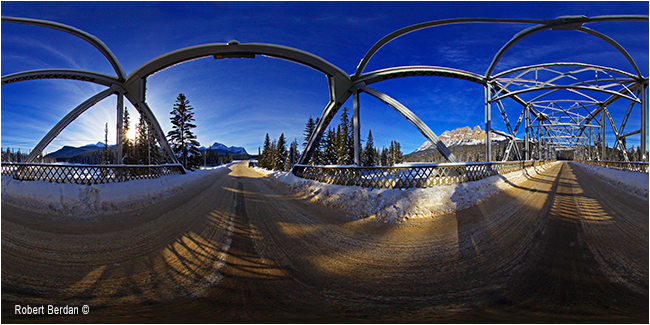
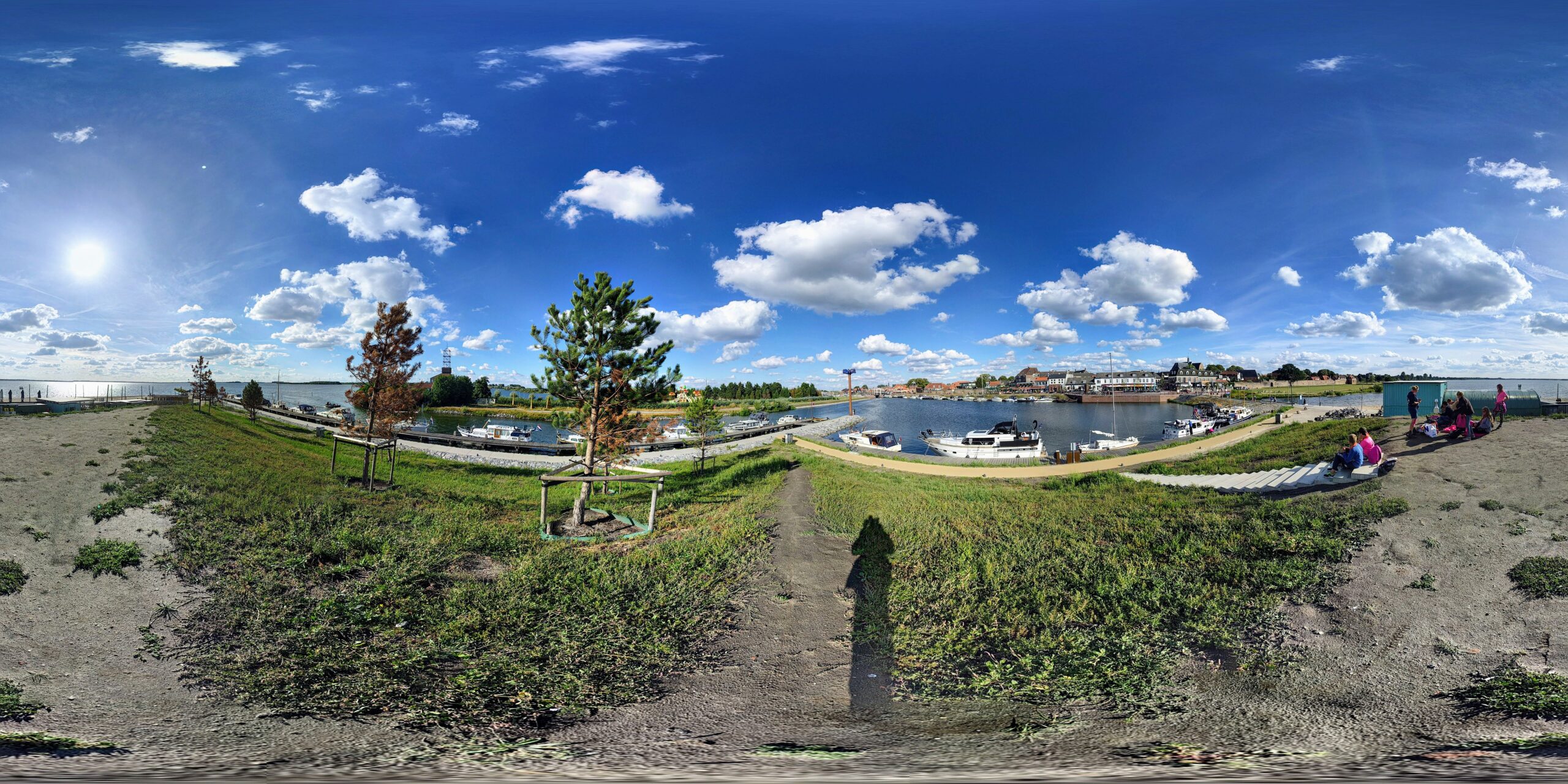
K. 360 Degrees Panoramas:
As I mention elsewhere in SCAMP, when ever I see junk, scrap metal, bent tin/tortured tin, rubbish, empty beer kegs, stones, railway sleepers, man hole comers, empty oxygen tanks, empty liquid petroleum gas tanks, etc… I think to myself either “EXPERIMENTAL PHYSICALLY MODELED MUSICAL INSTRUMENT” or “NOVEL EXERCISE EQUIPMENT”, but that is another story…
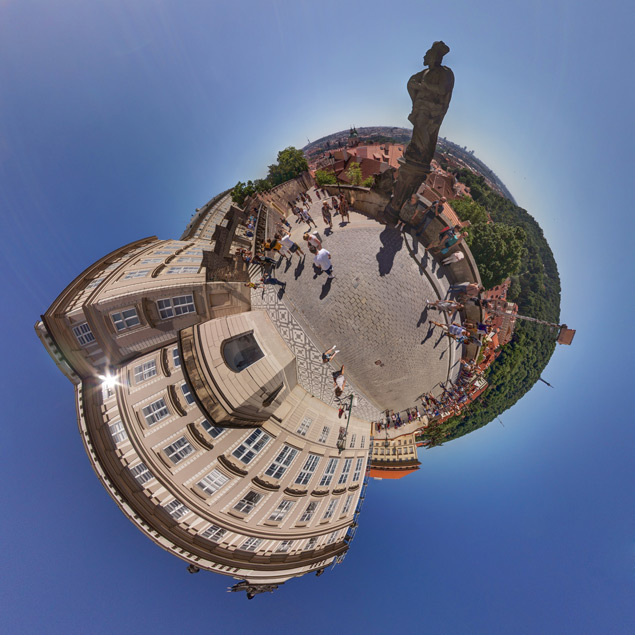
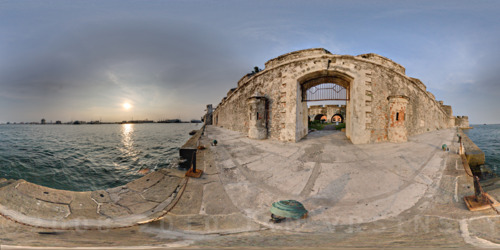
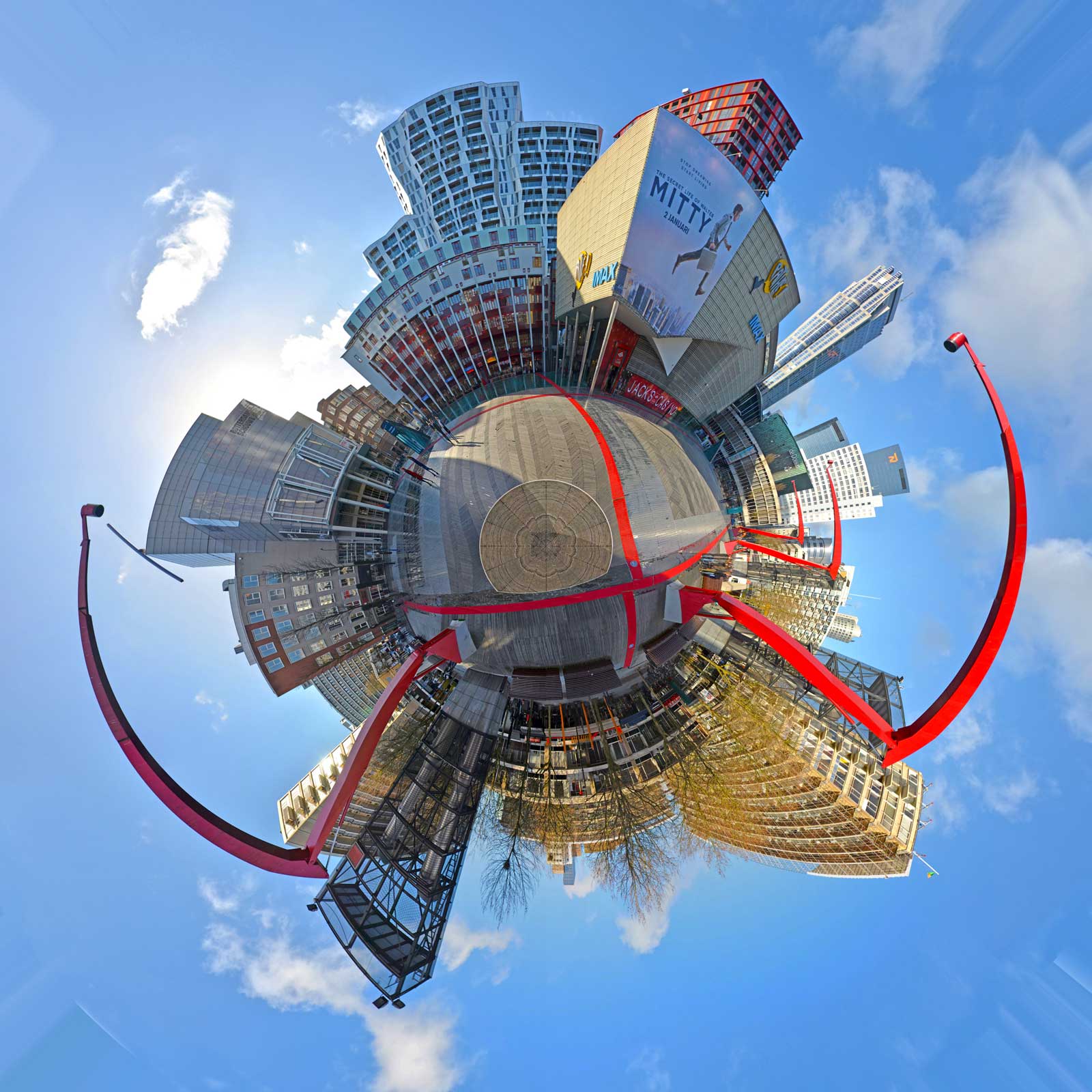
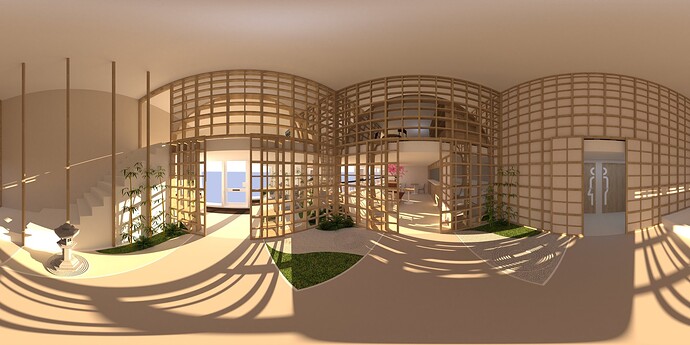
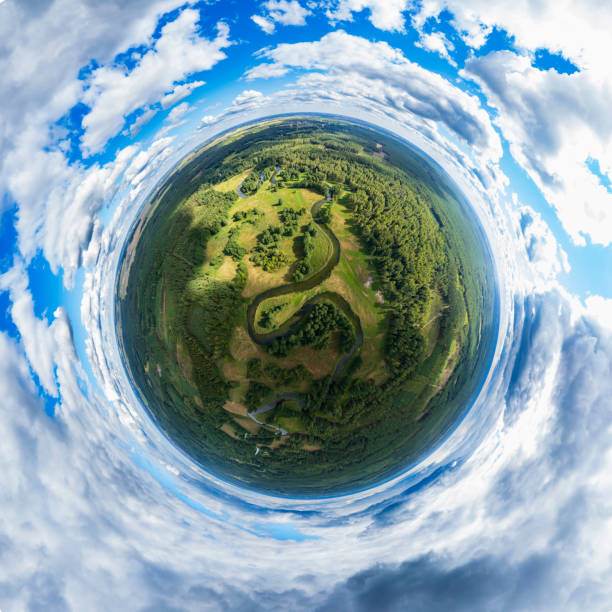
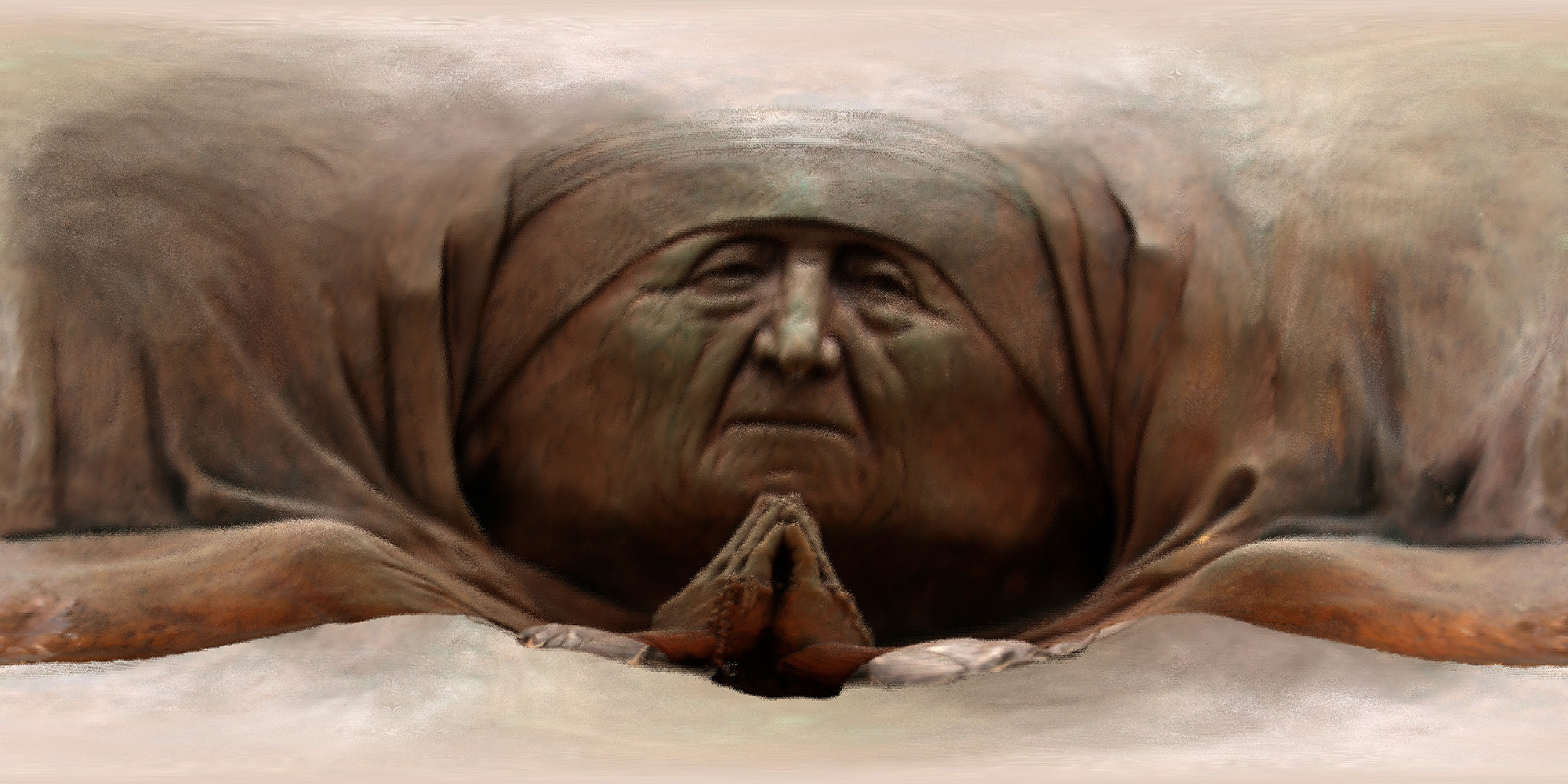
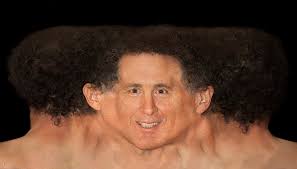
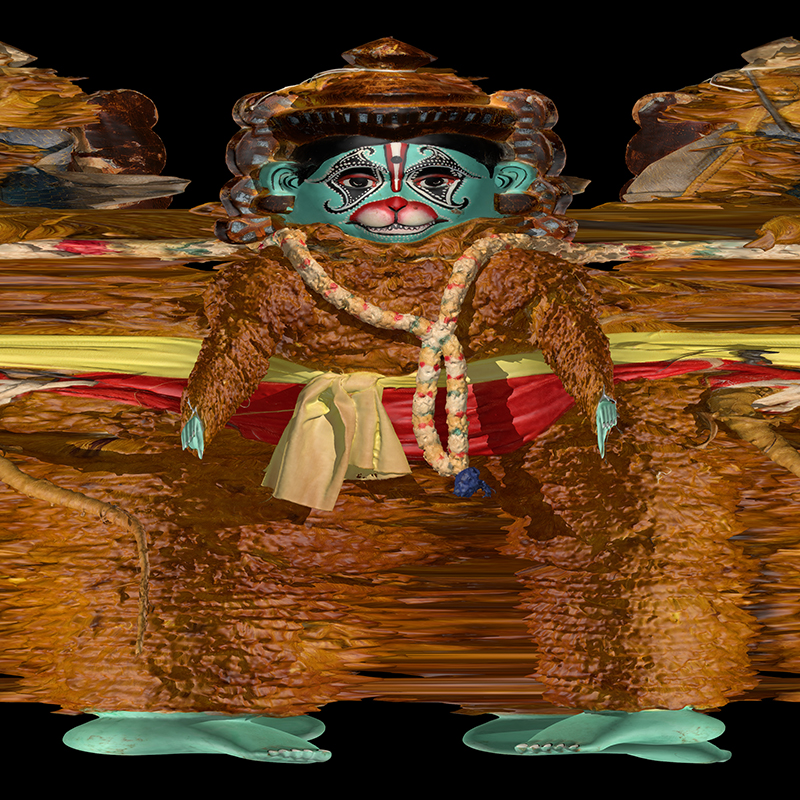
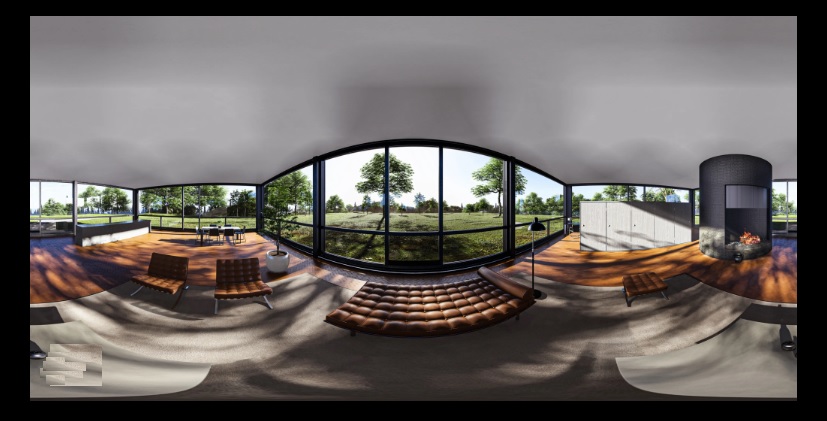
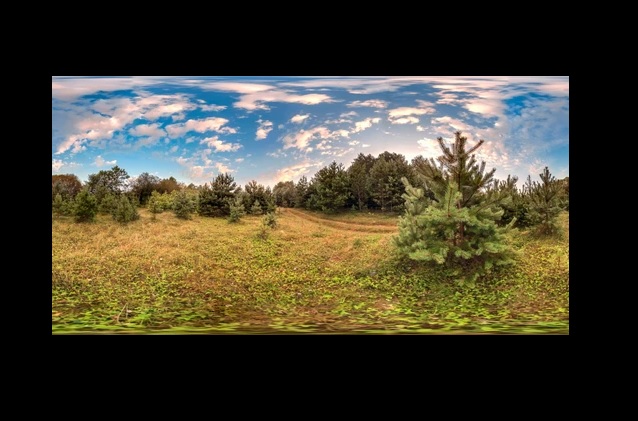
Recently, however, I have been thinking about FULL, TRUE, 360 DEGREE SPEHEREICLA PANORMAMAS…
Bimostitch (Software) for Panoramas, give links,
I need an algorithm written by an artificial intelligence program in Python which enabled the user to input between 6 and 26 many taken images of an object like a head, or a pumpkin, or a tennis, ball, or, (I don’t know, a vase or something like that), from between 6 and 26 taken photograph *.jpg or *.png files.
The user should be able to select all or some of the photos taken from a spherical position around the object, images taken in the position of a cubes faces, edges or vertices (26 in total, which can be selected or deselected for to be used…), -and, as I say, the user should be able to select either faces, vertices or edges form a check box.
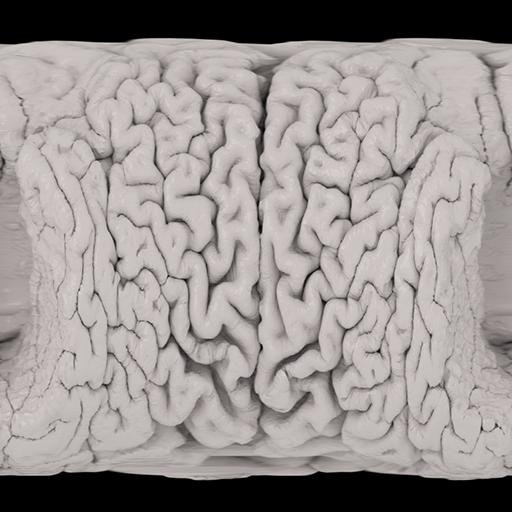
I need an algorithm written which prompts the user or to enter these between 6 and 26 many images, and then the algorithm that I need GPT to write, does a very similar thing to the Blender inverse panorama creating software, in that it mathematically undistorts the 6—>26 many images, and maps these photo’s from the 2-dimensional surface of a 3-dimensionsal sphere/spherical object to a 2-dimensional surface, and creates a 2-dimensional flat image from these between 6 and 26 enabled or disabled, -edge, vertex, and face images.
Image cna be taken of pretty much anything taht emits ROYGBIV 9or even IR ioor UV light), or electromagnetic light of some description!.
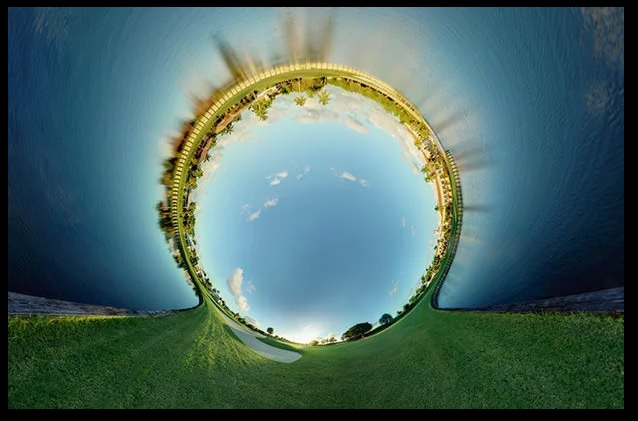
The panorama works in pretty much that same way an an inverse panorama (see L. below), but it is not looking inward to the center of a 3D sphere from the 2D surface of the 3D sphere, but is looking outwards from the center of the 3D sphere to the 3D sphere’s 2D surface.
I need an algorithm written which can do this, panorama, or something similar to:
Bimostitch.
I can even use this computer’s algorithm (written by GPT), mix and match images form different image sources for to make a weird, hybrid image, of cats, dogs, apples, orange, bananas, strawberries, coffee cups with hot delicious strong black coffee, faces, heads, basketballs etc…
Obviously the more photos we take, the less distorted that the unraveled/undistorted, bent, flattened image will be, and the better the image quality, but more complicated the process of flattening and undistorting the sphere will be…
And, so, I thin 26 images (faces, vertices and edges should be plenty enough).
It was actually, Mr. Carl Friedrich Gauss, who famously proved that you cannot “undistort” a sphere’s surface onto a flat plane without some form of stretching or tearing.
Gauss’s discovery, known as the Theorema Egregium (Latin for “Remarkable Theorem”), established that the Gaussian curvature of a surface is an “intrinsic” property. This means that no matter how you bend or fold a surface, as long as you don’t stretch or tear it, its curvature stays exactly the same.
Gauss’s Theorem: i
Is about…
Curvature Mismatch: A sphere has a constant positive curvature (K=1/R^2), while a flat plane has a curvature of zero.
This gives a situation of an Impossible Mapping:
Because their curvatures are different, it is mathematically impossible to create a 2D map of a 3D sphere that is perfectly accurate in both area and angles.
Bending vs. Stretching,,,:
You can roll a flat sheet of paper into a cylinder because both have a curvature of zero, but you cannot wrap that same paper around a ball without it wrinkling or tearing.
Riemann fits in, here, because…:
While Gauss laid the groundwork, whilst, -Bernhard Riemann took these ideas much further.
He developed Riemannian Geometry, which generalized Gauss’s work to higher dimensions and curved spaces that don’t need to be part of a larger “flat” world. His work was eventually used by Einstein to describe the curvature of the Universe in General Relativity.
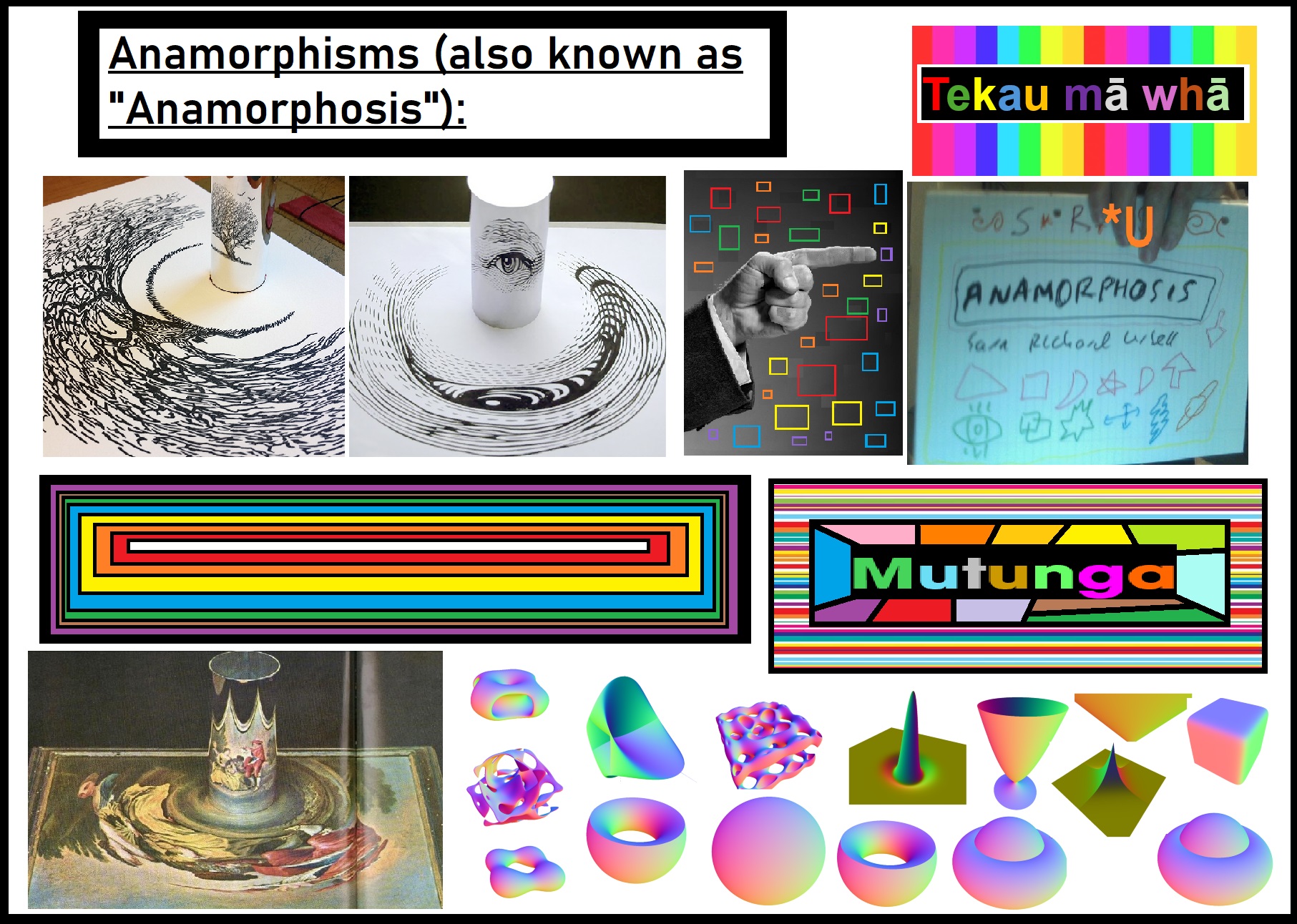
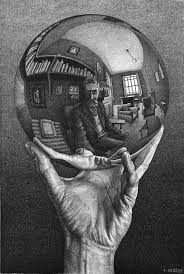
A similar concept, related to this arises from cylindrical anamorphosis, which use a reflective cylinder, which is called a cylindrical mirror, and the technique used to create the seemingly chaotic artwork is known as cylindrical anamorphosis.
There is a quick breakdown of how this mind-bending art form works (below in N.).